Stop Job-Site Chaos with the Right Demolition Dumpster
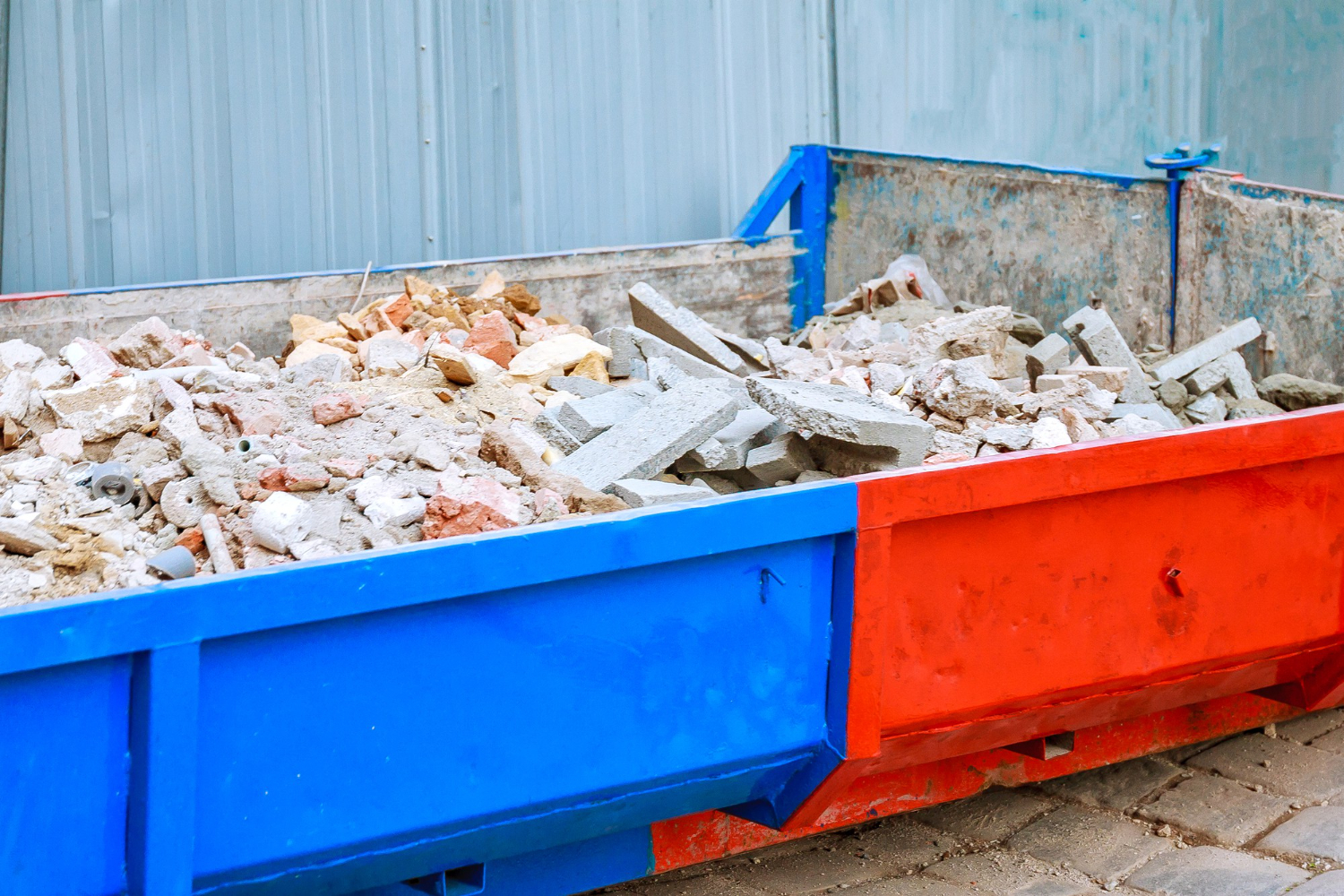
Demolition work moves fast, and the mess can pile up even faster. When walls come down, shingles fly, and old concrete gets busted up, debris can take over a driveway, alley, or parking lot in no time. Crews end up stepping around piles, wasting time loading pickup trucks, and fighting for space just to move equipment.
The right roll-off dumpster turns that chaos into a simple, steady process. Instead of guessing where to put trash, everyone knows exactly where debris goes from the first swing of the hammer. That keeps the site cleaner, safer, and easier to work on.
We work with residential, commercial, and industrial jobs in and around Owensboro, so we see how much smoother demolition runs with a good dumpster plan. In this article, we will talk about clear signs you are ready for a roll-off, how to pick the right size, timing tips for late-summer projects, and how to match dumpster service to your demo workflow.
Clear Signs Your Demolition Needs a Roll-Off Dumpster
Not every project needs a dumpster, but many demolition jobs do. Here are some signs it is time to bring in a roll-off.
- You are tearing out full rooms or structures
- You are removing heavy materials like concrete or brick
- You see debris building up faster than you can haul it away
- You have limited space and need trash contained in one spot
For volume and type of debris, regular trash service is not built for demolition. Structural tear-downs, big roofing jobs, concrete removal, and full gut remodels all create large amounts of bulky, heavy waste. Drywall, lumber, shingles, metal, and broken concrete fill up pickup beds quickly. Making multiple trips to the landfill or transfer station is slow and tiring compared to loading one properly sized dumpster that gets hauled away for you.
Time and labor also add up. Every extra trip is fuel, drive time, unloading time, and another round of lifting. With dumpsters for demolition projects, crews can:
- Toss debris as they go instead of stacking it all over
- Stay focused on actual demo work
- Cut back on repeat loading and unloading
- Keep tools and materials easier to reach
Safety and code compliance matter too. Loose debris scattered around creates trip hazards, exposed nails, sharp metal, and splintered wood. Piles close to buildings can even raise fire risk. Many cities, counties, and HOAs around Owensboro want debris contained and hauled away on a regular schedule. A roll-off helps keep the site neater and better aligned with local expectations.
Choosing the Right Dumpster Size for Demolition Projects
Picking the right size roll-off is one of the most important choices you will make for your demolition job. Too small, and you may need an extra haul. Too large, and you might take up space you do not have.
Common roll-off sizes often work like this for demolition:
- 10-yard: small bathroom demo, closet removal, minor interior tear-out
- 15-yard: one or two rooms, small roofing jobs, partial garage cleanout
- 20-yard: full kitchen or bathroom plus flooring, medium roof replacement
- 30-yard: whole-house gutting, garage teardown, small commercial interior demo
These are general ideas, not hard rules. The real key is how dense and heavy your debris will be. Underestimating volume can lead to overage issues or needing a second container. Oversizing can eat up driveway or parking space that you may want for equipment or deliveries.
Access, placement, and property protection should guide where your dumpster goes. Think about:
- Driveway width and turning room
- Overhead wires, trees, and low carports
- Narrow alleys or tight commercial lots
- Keeping doors, garages, and walkways clear
On asphalt or concrete, it is smart to place boards or pads under the dumpster rails to help protect the surface. That way, when the job is done, the ground is far more likely to look the same as before.
Weight limits and material rules also matter. Every roll-off size has a weight allowance. Heavy materials like concrete, brick, and dirt can reach that limit long before the dumpster looks full. Some items, such as hazardous materials, certain liquids, or appliances with refrigerants, may not be allowed. It is always best to talk through what is going into the container so there are no surprises during pickup.
Seasonal Timing Tips for Late-Summer Demolition Projects
Many homeowners and contractors like to plan demolition for late summer and early fall. By then, schedules are settling in, and people want projects wrapped up before busy school routines and the holiday rush.
Around Owensboro, this time of year often brings:
- Longer daylight hours compared to winter
- Fewer freeze and thaw problems that can affect concrete
- Fairly predictable weather patterns, aside from storms
Heat and storms still play a big role. In August, it helps to plan dumpster delivery early in the morning. That gives crews cooler hours to load heavy debris. When late-summer storms roll through, loose debris can blow into yards, streets, and parking lots. Keeping material in a roll-off makes it easier to close things down quickly and keep neighbors happier.
Flexible rental windows are also helpful. Demolition can uncover hidden water damage, structural issues, or old wiring that slows the job down. Contractors may hit delays in supplies or scheduling. Having some cushion built into your dumpster rental period keeps you from rushing or working in unsafe conditions just to finish before pickup.
During busy construction seasons, it is smart to reserve dumpsters for demolition projects a bit ahead of time so the right size is available when you need it.
Coordinating Dumpster Service with Your Demolition Workflow
A dumpster works best when it is built into your plan from day one, not added at the last minute. Think through the flow of your demo: where you will start, which areas will be opened up first, and how crews move around the site.
For deliveries and swap-outs, a good pattern often looks like this:
- Have the first roll-off dropped off just before or the morning demolition starts
- Place it close enough to cut down on walking, but not in the way of equipment
- For large jobs, set target days for swap-outs based on how fast debris builds
That way, when a container is full, the next one arrives with as little downtime as possible.
To get the most out of each haul, loading strategy matters. Simple habits can help:
- Load heavier debris like concrete and roofing first, spread out across the bottom
- Break down cabinets, framing, and bulky items so they fit tighter
- Fill gaps with smaller pieces of drywall and trim
- Keep debris level with the top rail so it is safe to haul
These steps help avoid unsafe loads and cut back on the number of hauls you need.
Neighbors and site image also count. On residential jobs, a quick heads-up to nearby homes about delivery times, parking changes, and expected noise can go a long way. Keeping trash in the dumpster instead of scattered across the yard helps everyone feel better about the work.
For commercial and industrial sites, a clean, contained job area sends a strong message. It shows that the crew is organized, cares about safety, and is ready for inspections or walk-throughs without last-minute scrambling.
Get Your Demolition Debris Under Control
When debris volume is high, timelines are tight, and safety and compliance matter, a roll-off dumpster is one of the simplest tools you can use. Instead of constant runs to the landfill, crews can focus on the real work while trash stays contained and out of the way.
As a locally owned full-service waste management company in Owensboro, we understand how different demolition projects call for different dumpster sizes, schedules, and placement plans. With timely deliveries, flexible container options, and support for projects of all sizes, we help make dumpsters for demolition projects feel like one of the easiest parts of your job.
Get Started With Your Project Today
Make debris removal the easiest part of your demolition by reserving the right size dumpster before work begins. At Local Waste Solutions, we provide reliable dumpsters for demolition projects so your crew can stay focused on the job, not the cleanup. Tell us about your timeline and materials and we will recommend a schedule and container options that fit your site. Have questions or need a fast quote? Just contact us and we will help you line up service.