
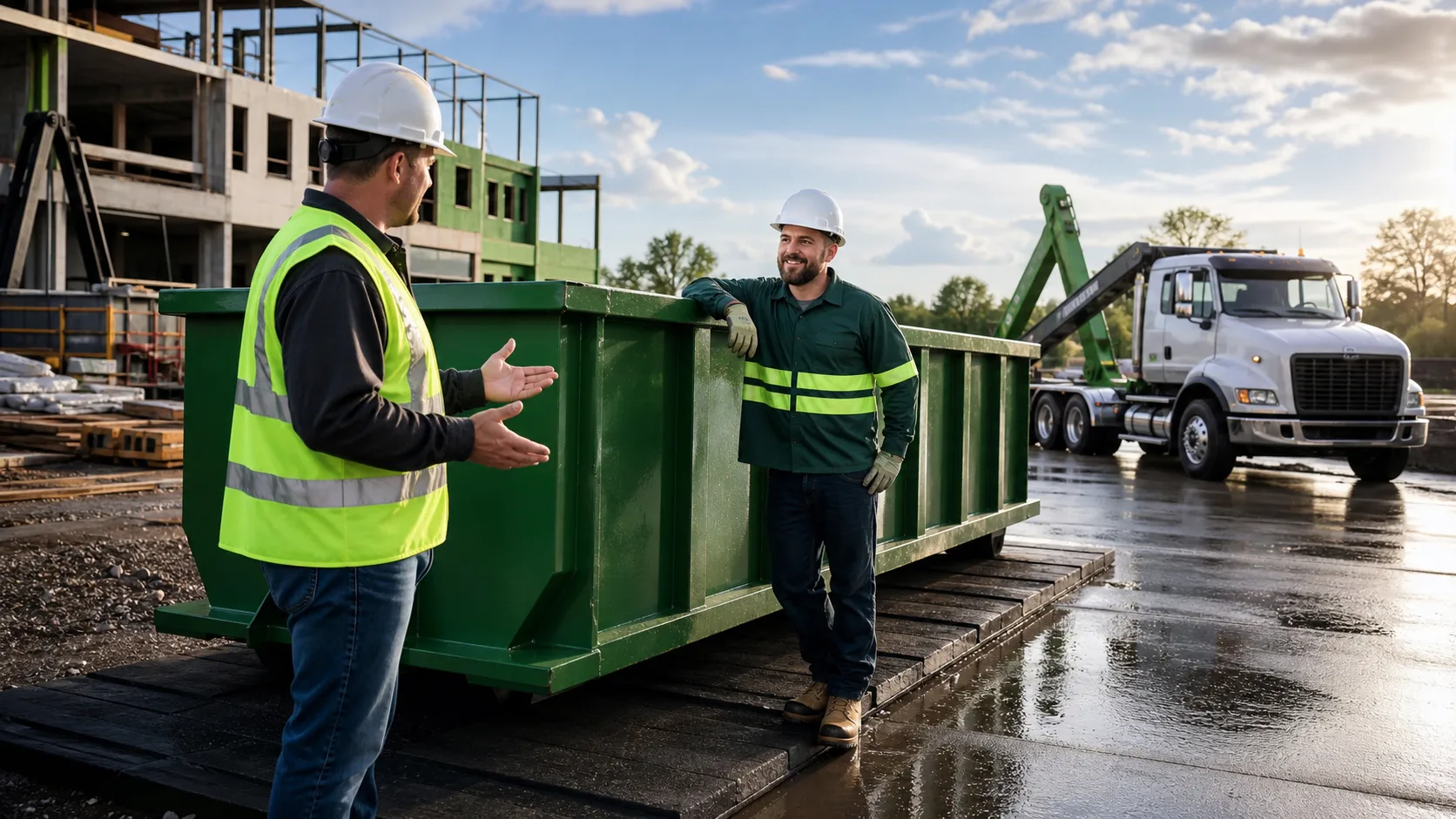
Owensboro weather keeps contractors on their toes. One week the ground is rock hard and dusty, the next week it is mud, standing water, and gusty winds. If y…
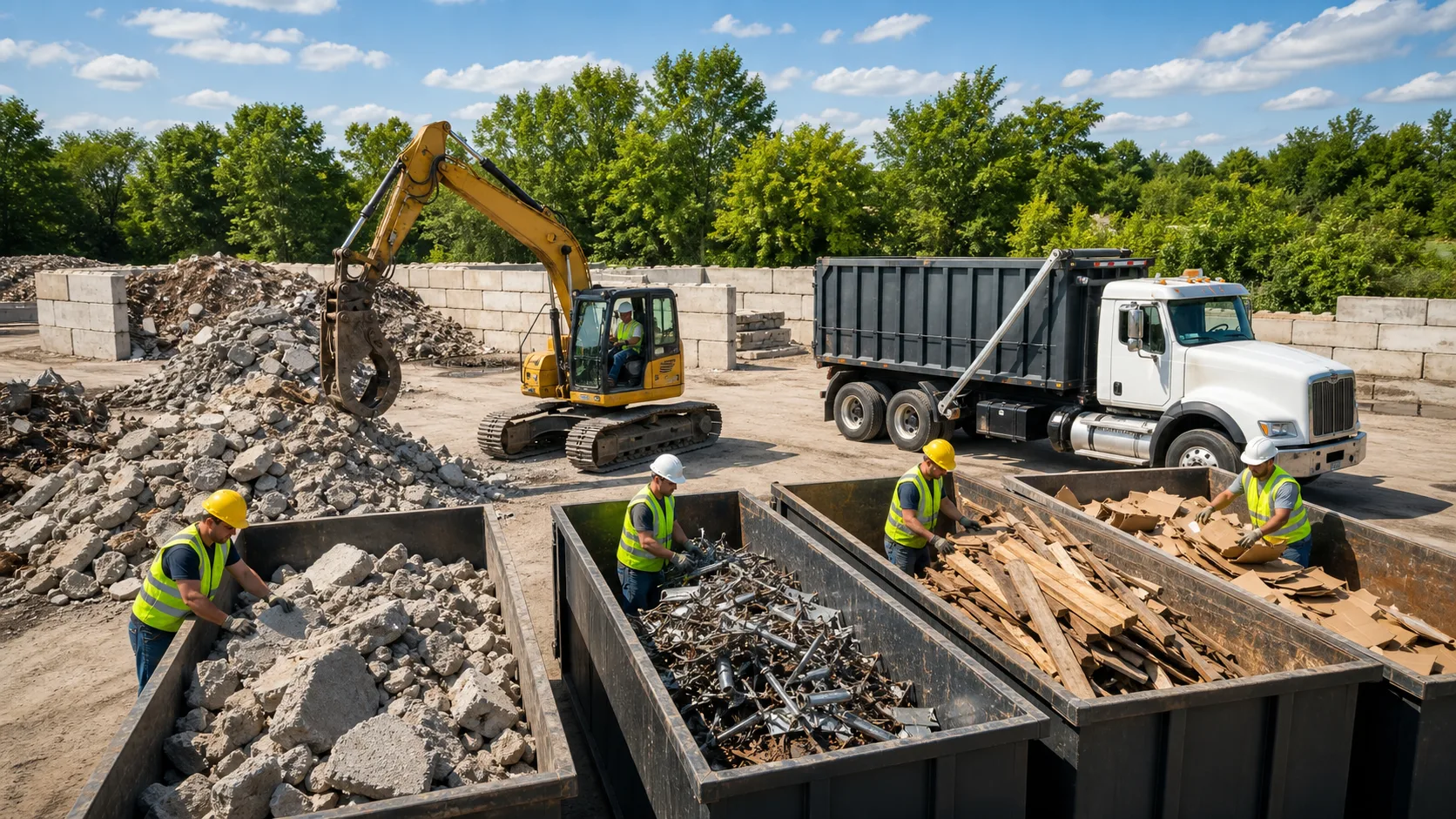
Owensboro Demolition Debris Disposal: Sorting, Recycling, and Landfill Rules
Demolition projects in Owensboro can get messy fast. Once walls start coming down, piles of wood, metal, and broken concrete stack up on the driveway or job-…

Owensboro Fall C&D Disposal Guide: Debris Limits and Best Dumpster Sizes
Fall is a great time to crack into demolition work around Owensboro. The heat eases up, concrete is easier to break, and many people like to finish projects …
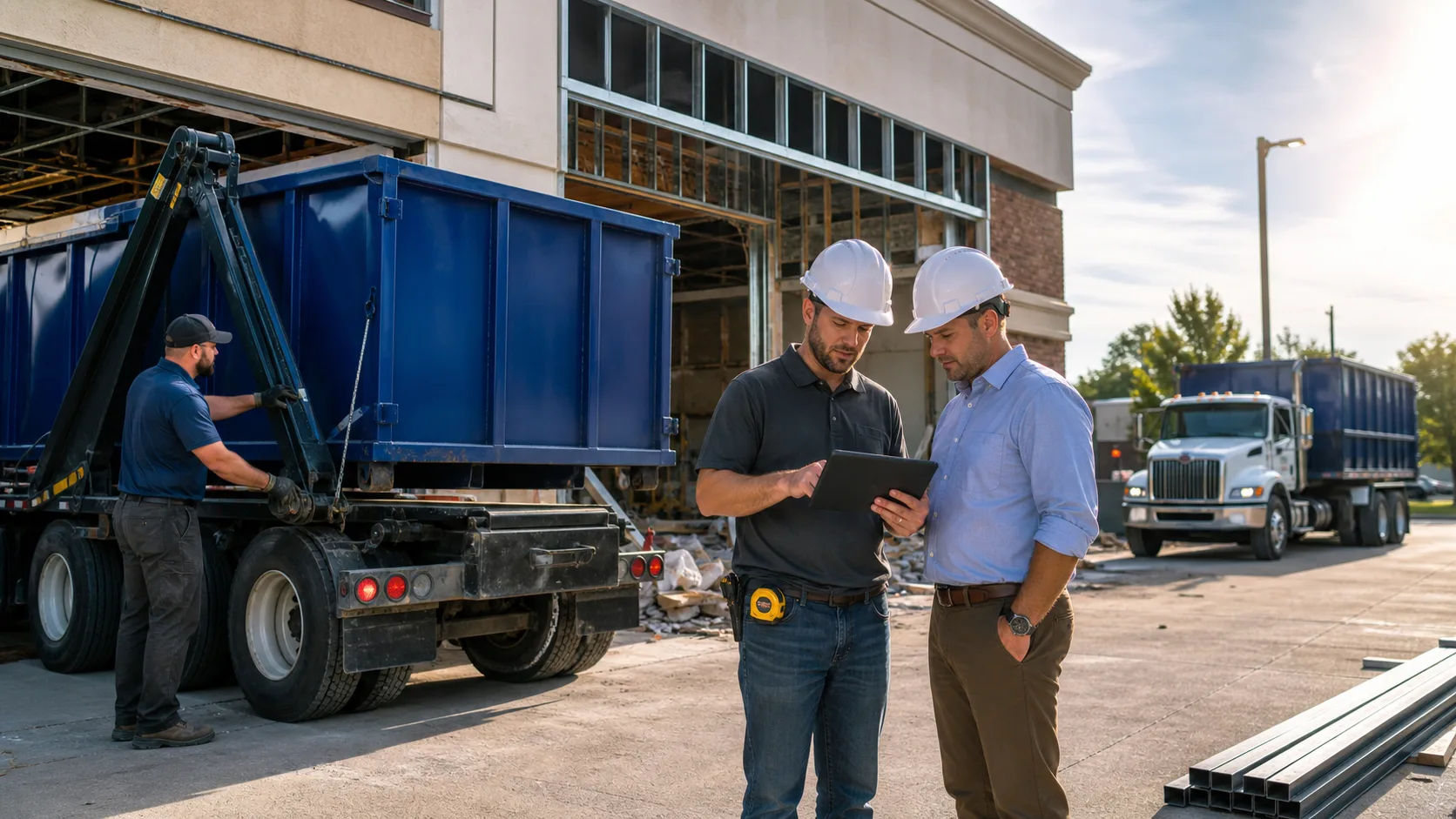
Owensboro Contractors: Same-Day vs. Next-Day Dumpster Delivery
When a dumpster shows up late, the whole jobsite feels it. Crews stand around, equipment sits still, and subs have to push work to another day. All because t…
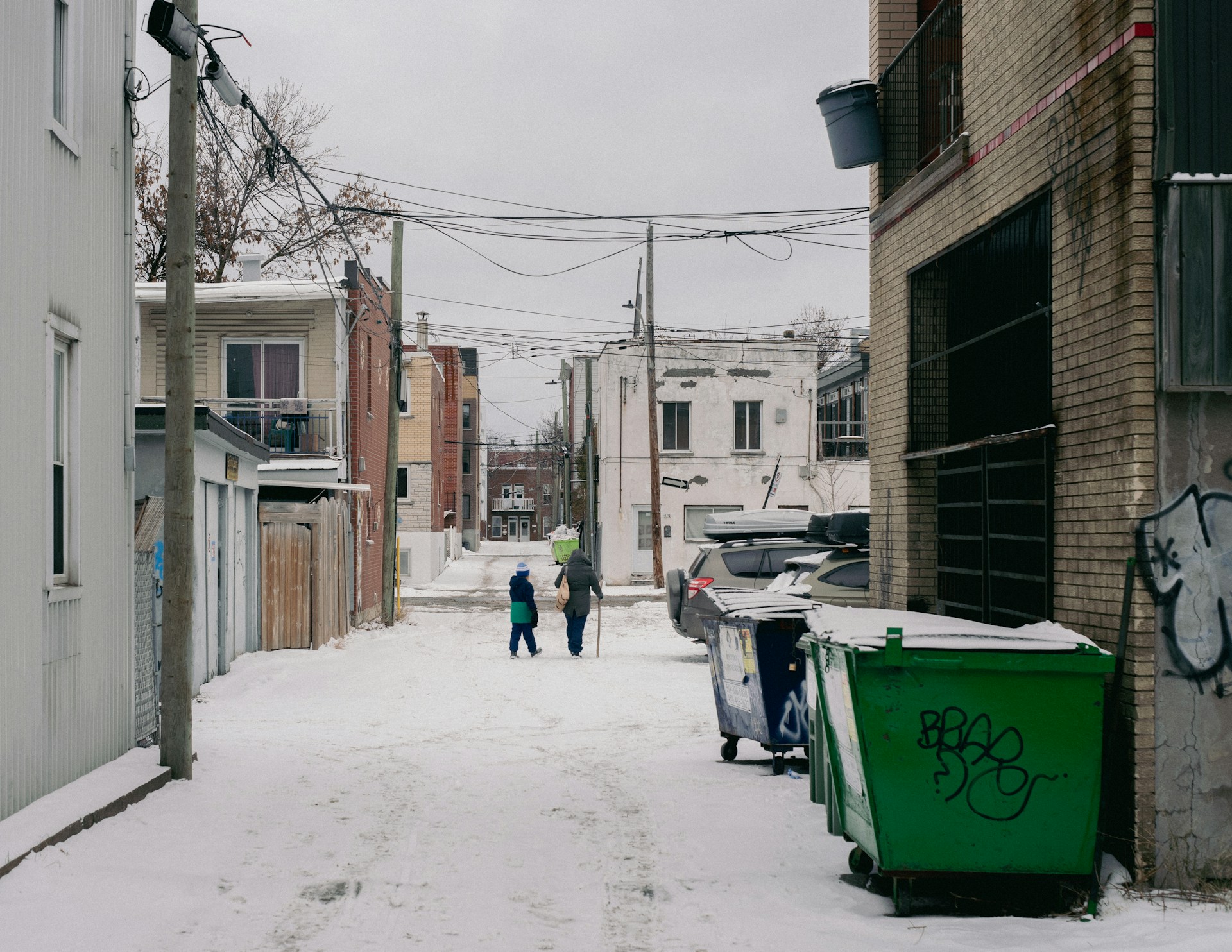
Winter Dumpster Rental in Owensboro: Access, Placement, and Snow Pickup
Keep Winter Projects Moving with Smart Dumpster Planning
Winter does not always stop construction in Owensboro, KY. Roofs still need to be replaced, interiors still get remodeled, and commercial work often has to stay on schedule. When the cold sets in, having the right plan for your dumpster can make the difference between a smooth week and a stalled job.
Planning construction dumpster rental in Owensboro, KY for winter is different from planning in warm weather. Frozen ground, snow, ice, shorter days, and holiday schedule changes all affect where your dumpster can sit and when it can be serviced. With a local partner that understands western Kentucky weather, you can set things up so cold conditions cause fewer surprises and fewer extra trips.
Winter Weather Challenges for Jobsite Dumpster Use
Cold weather adds a few headaches to basic dumpster use. You are not just thinking about debris anymore. You have to think about how trucks and crews will reach the container when the weather turns.
Common winter issues around dumpsters include:
- Frozen ground that softens and ruts when temperatures rise
- Muddy or icy access lanes that are hard for trucks to climb or turn on
- Snow piles blocking the drop-off or pickup spot
- Heavy equipment tracking slush around the container area
When these problems pop up, they can lead to:
- Missed or delayed pickups
- Extra fees for rescheduling or relocation
- Slip-and-fall hazards for crews
- Cracked pavement or torn-up yards when a dumpster sits wrong
The smartest time to think about these risks is before your container ever arrives. If you know a project will run into late fall or winter, it helps to build weather into your dumpster plan from the start, instead of scrambling the morning after an ice event.
Choosing Safe Access and Placement on Frozen Ground
A safe, reachable spot for your dumpster is always important, but in winter it becomes a big priority. You want a location that a roll-off truck can still reach after a dusting of snow or a night of freezing rain.
When you choose a placement area, think about:
- A level, firm surface that will not turn to deep mud
- Plenty of room for the truck to back in and pull out
- Avoiding steep slopes, low tree limbs, or tight corners
If you are using a driveway, parking lot, or other finished surface, it helps to protect it. Simple steps can reduce damage, especially when temperatures swing above and below freezing.
Good protection habits include:
- Placing thick boards or plywood under the dumpster rails
- Keeping the container off soft thawing ground whenever possible
- Positioning away from low spots where water and slush collect
You also need a plan for snow removal. A poorly placed dumpster can get snowed in or pinned in by plow piles.
Think ahead by:
- Leaving room for plows to push snow past the container
- Keeping an access lane clear for service trucks
- Marking the dumpster edges with cones, stakes, or flags so it stays visible in snow and early darkness
These small steps make it much easier for drivers to service the container safely, even when the site is slick.
Scheduling Winter Delivery and Pickup Around Storms
Weather systems in Owensboro and across western Kentucky can move in fast. A simple cold rain can become sleet or ice, and a one-day snowfall can make roads difficult for large trucks. That is why timing matters so much for winter delivery and pickup.
When you schedule in colder months, it helps to:
- Add buffer days before inspections, concrete pours, or key trade handoffs
- Request early morning or mid-day windows, when surfaces may be less slick from overnight refreeze
- Keep an eye on the forecast and confirm service ahead of larger storm systems
If a storm does hit, plans sometimes need to change. Roads can be unsafe, or a site may be blocked by plowed snow or ice. When that happens, clear, local communication is the best tool. By talking through options and limits right away, you can line up the next realistic service day and reduce downtime instead of waiting and guessing.
Right-size Your Winter Dumpster to Match the Project
Getting the size right on a dumpster always matters, but it matters even more in winter. Extra hauls are harder to fit in when the weather and road conditions are changing, and surprise pickups can be disrupted by snow or ice.
Different winter jobs often call for different sizes, such as:
- Roofing replacements that create bulky, but fairly light shingles
- Interior remodels that produce a mix of drywall, wood, and old fixtures
- Small additions that add framing lumber, siding, and packaging
- Larger commercial projects that generate steady, heavy debris
The best match depends on how much material you expect, how heavy it is, and how easy it will be for trucks to enter your site once it is cold. A container that is too small may fill up fast and require extra trips. One that is far too large can be harder to place in tight winter spaces and may block snow routes.
Talking through your project timeline, debris type, and winter access limits with your hauler helps them suggest a size and service plan that fits the way you work.
Winter Safety, Recycling, and Local Jobsite Support
Safety around dumpsters is always important, but ice and snow raise the stakes. Simple crew habits can prevent injuries and protect equipment when conditions are slick.
Helpful safety practices include:
- Clearing ice and snow from around the dumpster doors and loading area
- Using proper winter footwear with good grip
- Avoiding overfilling, especially when materials are wet or frozen and heavier than normal
- Watching for slick spots near the container where water has refrozen
Winter can also be a good time to think about recycling, especially on longer projects. Separating cleaner materials, like metal, cardboard, or some wood, can reduce what goes to the landfill and may help stretch dumpster capacity.
Working with a locally owned company that knows Owensboro roads, neighborhoods, and seasonal patterns has clear advantages here. Local drivers understand which routes stay tricky after storms, which areas freeze first, and how winter patterns tend to play out across western Kentucky. That local knowledge helps keep service realistic and responsive on residential, commercial, and industrial sites, even when the weather does not want to cooperate.
Get Started With Your Project Today
If you are ready to keep your job site cleaner and more efficient, we can help you choose the right construction dumpster rental in Owensboro, KY for your timeline and budget. At Local Waste Solutions, we simplify debris removal so you can stay focused on finishing the work. Reach out to our team with your project details and we will recommend the best size and schedule for your container. Have questions or want a quick quote? Just contact us and we will get back to you promptly.
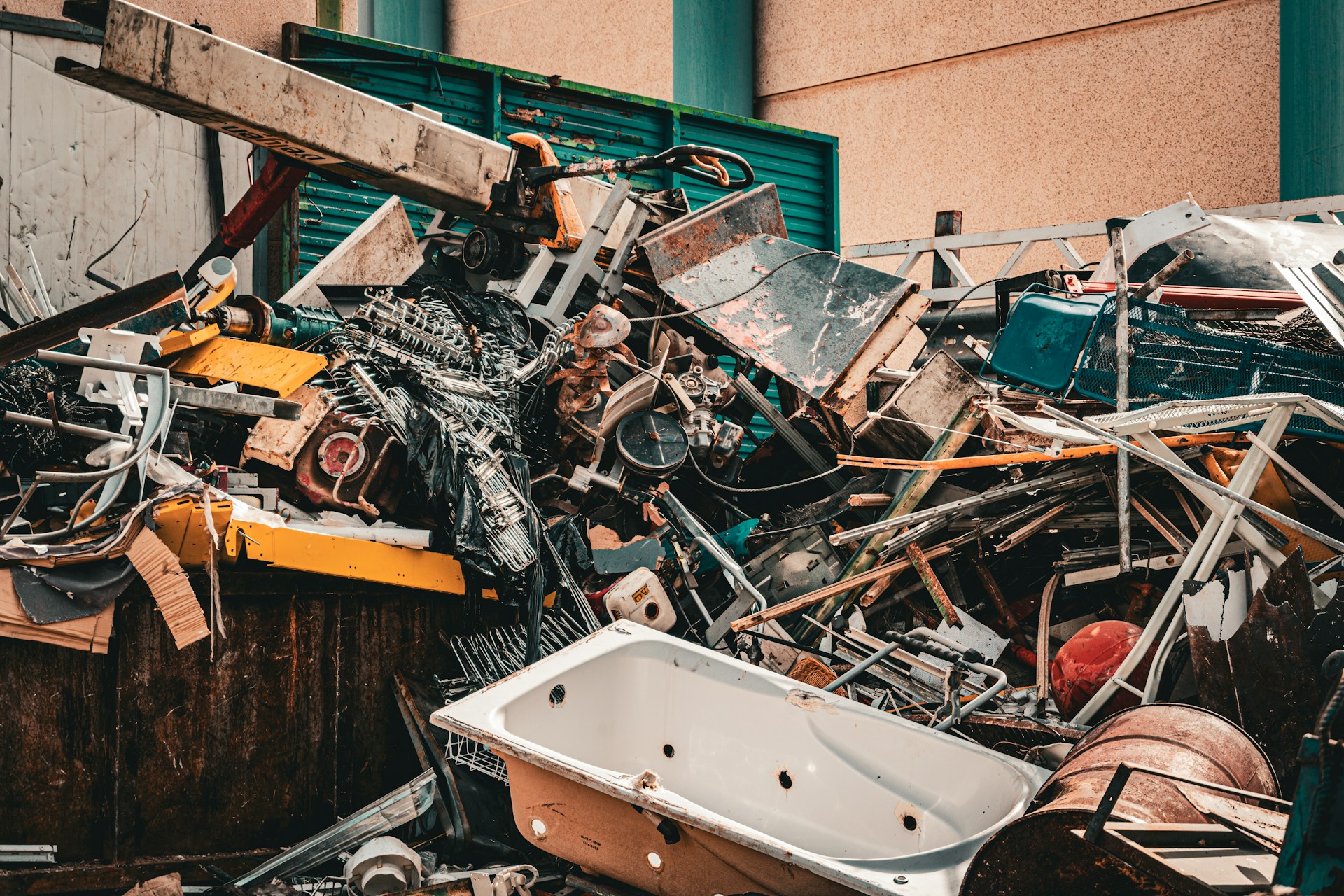
Seasonal Construction Timeline Planning with Roll-Off Dumpster Rental
Time Your Project Right for Peak Efficiency
Timing can make or break a construction or renovation project. Weather, crew schedules, and how fast you can clear debris all play a big part in whether you finish on time or fall behind. When you plan ahead for each season, you can avoid stalls, stacked-up trash, and stressed-out crews.
Here in Owensboro, KY, we see how local weather patterns, school schedules, and city rules change what is realistic on a jobsite. Seasonal planning, paired with smart roll-off dumpster rental, helps keep work moving. In this article, we will walk through how the seasons affect construction, when waste piles up the fastest, and how to line up dumpsters so your project runs smoother from start to finish.
How Seasons Shape Construction Timelines
Seasons do not just change the temperature; they change how your whole schedule works. Different weather and daylight conditions mean different waste patterns and hauling needs.
Weather has a big impact on what gets done and when:
- Hot, humid summers in Kentucky can be tough on crews working on roofs, siding, and concrete. Concrete can cure too quickly on very hot days. Some exterior work is safer and easier in cooler air.
- Early fall, especially around September, often brings milder temperatures and more stable weather that suits roofing, exterior repairs, and finish work.
- Heavy spring rains can turn sites muddy, slow down excavation, and limit access for roll-off trucks.
- Winter freezes and icy mornings can delay foundation work, pours, and any job that needs clean, solid ground for equipment and containers.
Daylight hours change how fast work moves:
- Longer days in late spring and summer give crews more working time. That usually means faster progress and more debris created each day, so dumpsters can fill up quickly.
- Shorter days in late fall and winter can slow production. Debris builds up more slowly, but certain phases might push trash into tight windows when you really need a container on site.
Local events and neighborhood rhythms also play a part. In Owensboro, school drop-off and pick-up traffic, local festivals, and neighborhood quiet hours can all affect when it makes sense to deliver and swap roll-off dumpsters. Planning loud work or heavy hauling outside of peak traffic times can:
- Cut down on neighbor complaints
- Keep trucks from getting stuck in long lines
- Reduce the chance that a delivery is delayed or turned away
Planning Your Timeline Around Debris Generation
Construction jobs follow a rough pattern, and so does the trash. When you know which phases create the most debris, you can plan your roll-off dumpster rental to match.
Most projects follow similar stages:
- Demolition: Old walls, floors, roofing, fixtures, and junk come out. This is one of the biggest waste phases.
- Rough framing and structural work: Lumber cuts, sheathing scraps, and packaging build up.
- Roofing and exterior: Shingles, underlayment, old siding, and trim create heavy, bulky loads.
- Interior finishes: Drywall scrap, flooring offcuts, cabinets, and packaging pile up, but usually at a steadier pace.
- Final clean-up: Leftover materials, sweepings, and general debris are cleared to turn the site over clean.
Demolition and roofing usually demand the most dumpster space. Old shingles, broken concrete, plaster, and bulky fixtures take up a lot of room. Planning at least one larger dumpster, or a swap partway through those phases, can prevent overflow and delays.
Right-sizing your roll-off matters. When you estimate how much debris you will create, consider:
- Type of project, such as a small remodel or full new build
- Materials you will remove, like shingles, concrete, brick, or drywall
- How many trades will be working at the same time
- How tight the site is for container placement
Smaller remodels might work with a single mid-sized dumpster for demolition and finish waste. New home builds, commercial fit-outs, and industrial clean-outs often need larger sizes or multiple containers as phases change.
Seasonal timing also affects hauling efficiency:
- In peak building months, like late spring, summer, and early fall, you may want more frequent hauls because debris builds fast and you want to keep the site clear.
- In slower winter phases, you might stretch out haul intervals and use one container longer if debris is created more slowly.
- When a storm front or cold snap is on the way, a local waste provider can often adjust pickup days so you do not end up with an overfilled container that a truck cannot safely reach.
Fall Construction Advantages and Dumpster Strategy
Early fall can be one of the best times to schedule work in Kentucky. The heat starts to back off, humidity often drops a bit, and weather patterns can be more predictable than in wet spring months. That means fewer weather-related down days and more steady progress.
For many homeowners and contractors, fall is a great time to:
- Finish exterior work like roofing, siding, or painting before winter
- Start interior remodels after summer vacations and before holiday plans
- Tackle clean-outs or upgrades at commercial and industrial sites while conditions are comfortable
To match that with roll-off dumpster rental, timing is key. It usually works best to:
- Schedule the first dumpster to arrive one or two days before demolition or tear-off begins so crews are not waiting on a container
- Place containers where roofers and demo crews can toss debris quickly without long walks or blocked paths
- Plan extra hauls or an additional dumpster if you are trying to wrap multiple phases before cold and wet weather sets in
As the year winds down, many projects rush to finish before the hardest winter weather or end-of-year deadlines. That can tighten hauling schedules for everyone. Booking your dumpster plan well ahead for work you expect between September and November helps lock in:
- Preferred delivery dates
- Regular swap or pickup days
- Extra capacity during big demolition or roofing pushes
Coordinating Trades, Permits, and Waste Services
A smooth project is all about coordination. When your trades and waste services are on the same page, the job flows better and the site stays cleaner.
Syncing subcontractors with dumpster access can prevent a lot of wasted time. It helps to:
- Share a simple calendar that shows when dumpsters arrive, when swaps are set, and where containers will be placed
- Let demolition crews know the exact start time they can begin filling the first dumpster
- Update framers, roofers, and interior trades about changes so they are not surprised by a full container
Some sites can be tight or sit on busy streets. On those jobs, you may need approvals or permits to place a roll-off on the roadway or in certain spots. Good placement also matters for safety:
- Keep dumpsters clear of driveways and loading docks when possible
- Maintain emergency access for fire lanes and exits
- Avoid blocking sidewalks or key walkways
Building flexibility into your schedule can save a lot of stress. Weather shifts, change orders, and hidden issues inside old walls can all create extra waste without warning. Working with a local provider that knows Owensboro and the surrounding area makes it easier to:
- Adjust pickup frequency when debris ramps up
- Change dumpster size between phases if needed
- Move containers around the site if traffic patterns or work zones change
Turn Your Seasonal Plan Into a Clean, On-Time Job
When you plan your construction timeline around the seasons and match it with the right roll-off dumpster rental, your project has a much better chance of finishing on time and without last-minute chaos. Seasonal weather, daylight, and local events will always shift, but a solid plan for debris keeps your site safer and more organized.
Before your next residential, commercial, or industrial project, take a few minutes to map out each phase and mark where the biggest waves of waste will hit. Then line up roll-off service that fits those peaks and leaves room for surprises. A thoughtful seasonal plan, backed by responsive local hauling, lets your crew stay focused on building while the trash is handled in the background.
Get Started With Your Project Today
If you are ready to clear debris and keep your job site running smoothly, we are here to help. Explore our roll-off dumpster rental options to find the right size and schedule for your project. At Local Waste Solutions, we work with you to deliver and pick up on time so you can stay focused on the work that matters. Have questions or need a custom quote? Just contact us and we will walk you through the next steps.