
Dumpsters

olving Common Front Load Dumpster Issues

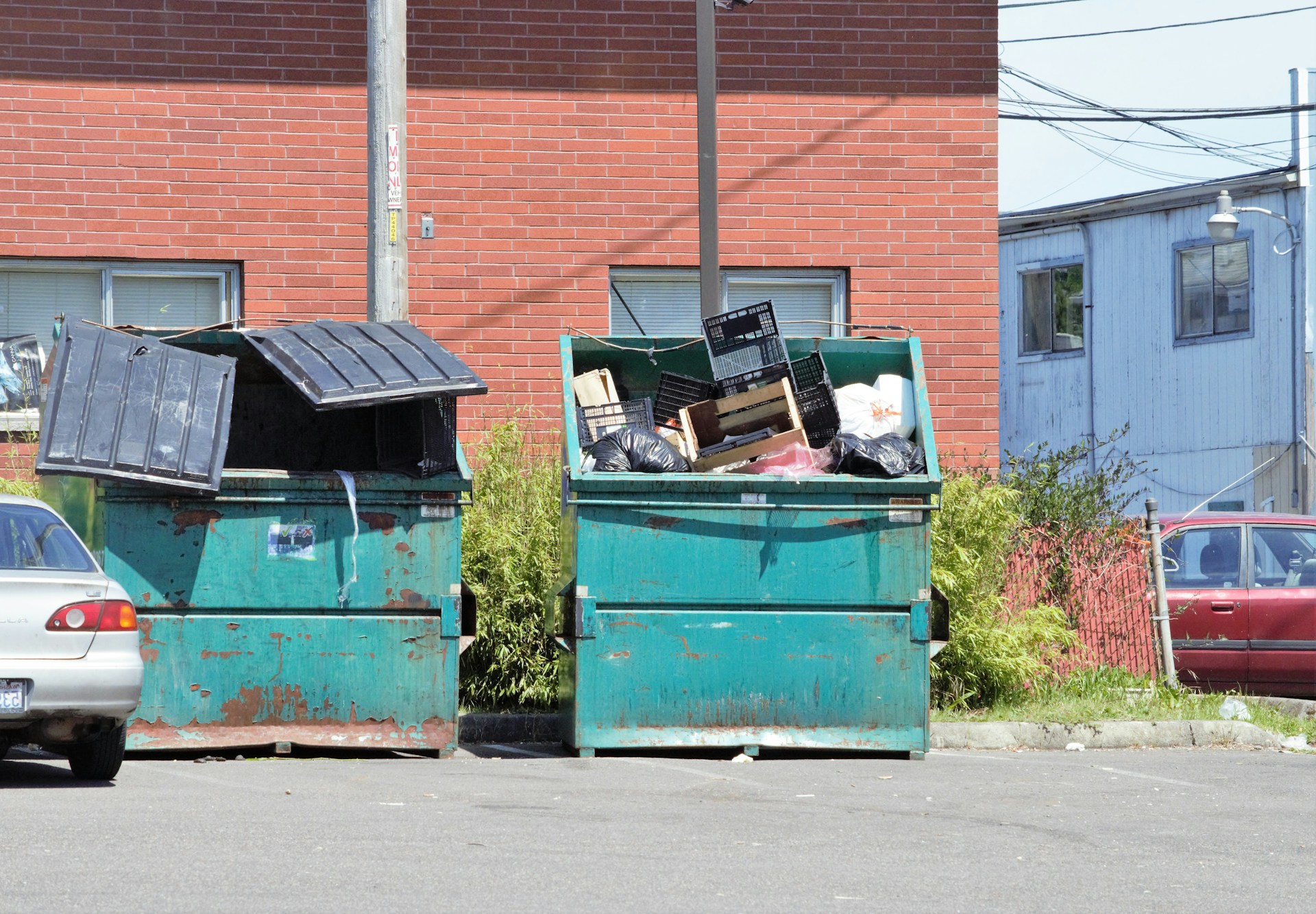
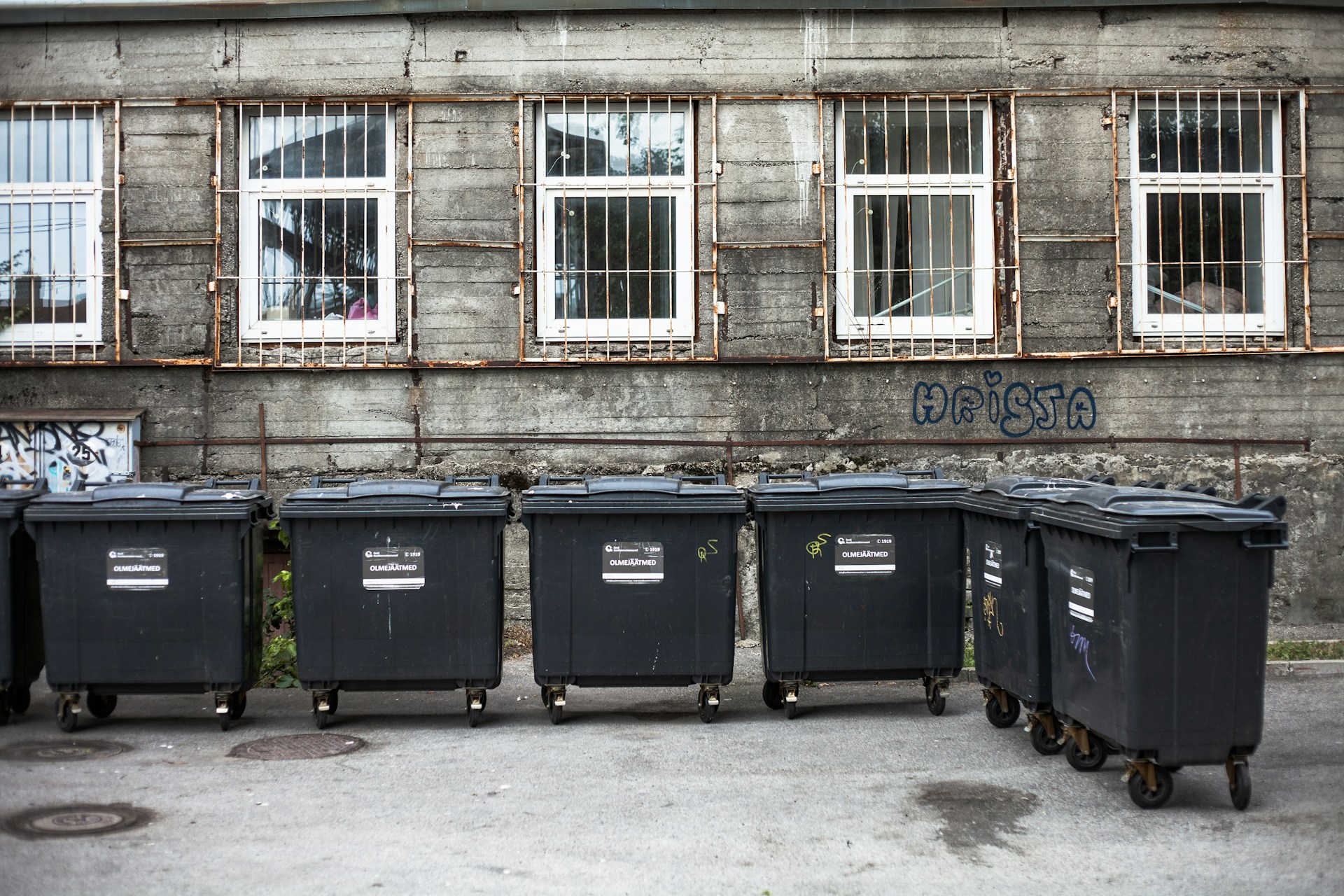
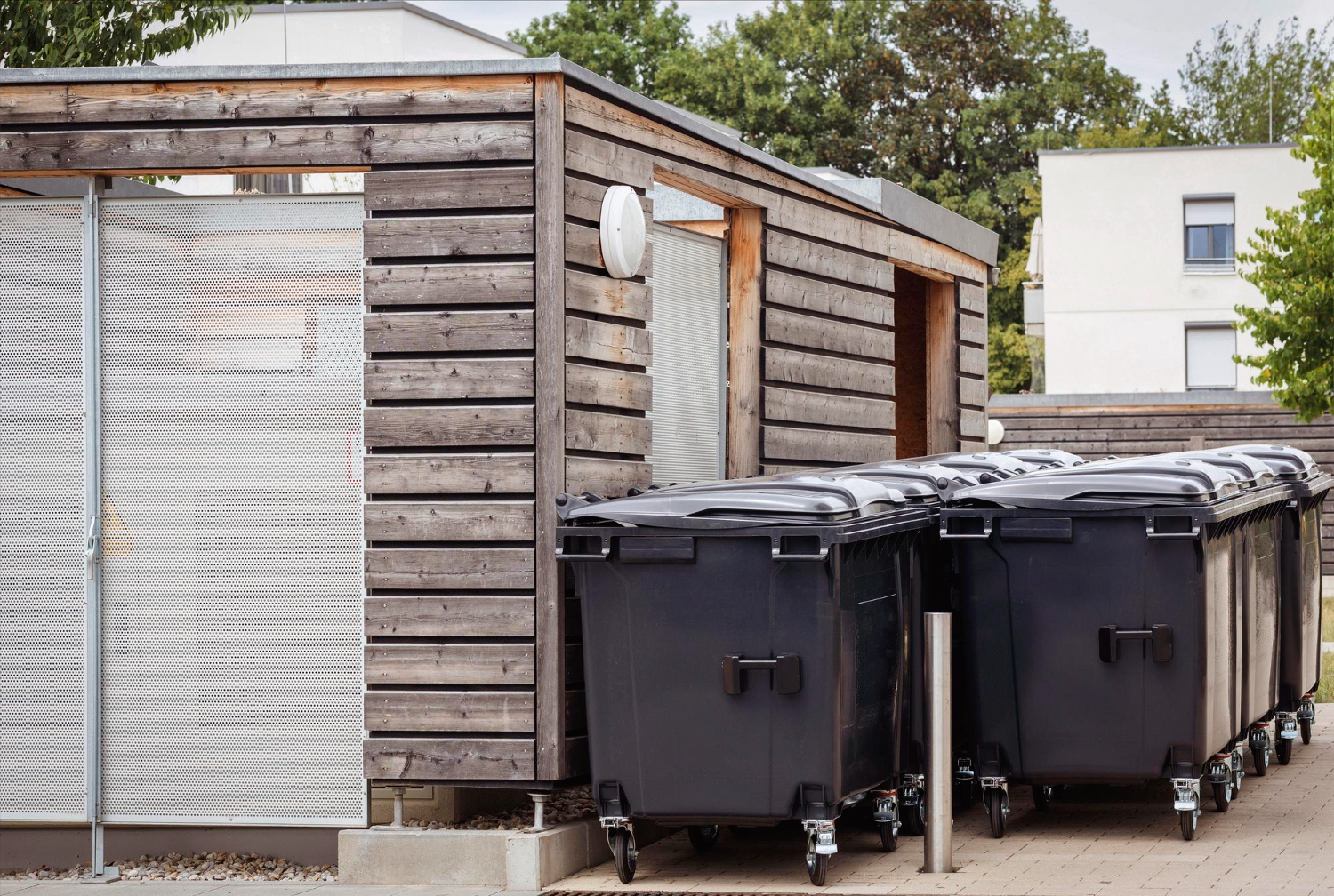
Front load dumpsters are part of the daily routine for many businesses and facilities around Daviess County. They’re usually tucked away behind a building, quietly doing their job. But when something goes wrong, it doesn’t take long for problems to show. Overflowing trash, blocked lids, and jammed containers can create unexpected messes that slow things down and cause frustration.

Managing these dumpsters isn’t just about tossing trash and calling it a day. If the setup isn’t working how it should, it can affect everything from staff productivity to health and safety. There are a few common issues that pop up with front load dumpsters, but the good news is, most of them are preventable. Knowing what to look out for and fixing it early keeps your operation running smooth and clean.

Identifying Common Front Load Dumpster Issues

Most problems with front load dumpsters start off pretty small. The lid might not shut all the way, or bags might stack up a bit too high for a few days in a row. But if left alone, these small issues turn into big ones fast. Dumpster overflow, for one, is something many business owners in Daviess County deal with more often than they’d like. Once trash starts piling up outside the container, it becomes a magnet for bugs, wind-blown litter, and complaints.

Another common problem is improper loading. It’s easy to toss things in quickly and shut the lid, especially when you’re rushing through the day. But throwing in bulky boxes without breaking them down, or piling everything in one corner, wastes space and clogs up the entire bin. This leads to pickups that feel like they come too soon or too often, which drives up costs and leads to more disruptions.

Blocked access is another headache. When dumpsters are placed too close to fences, behind stacked pallets, or near delivery routes, waste haulers can’t safely get to them. If the route is blocked on pickup day, that container won’t get serviced. Suddenly, there’s no room for another week’s worth of trash.

A typical example is a small restaurant in Daviess County that kept getting skipped for service. Turns out the staff was parking a delivery van too close to the dumpster pad, making it impossible for the truck to reach it. Once they cleared parking zones around the bin, things got back on track quickly.

The key is noticing these problems before they start causing bigger disruptions. Trash showing up in random spots around your building is usually the first sign something isn’t working like it should.

Solutions for Preventing Overflow

Dumpster overflow doesn’t typically happen overnight. It’s often a buildup of a few overlooked things that finally catch up all at once. But with the right practices in place, it’s something that can be avoided without too much trouble.

Here are a few steps that make a difference:

1. Do a regular waste check. Walk through the area once a week and see what’s going into the dumpster. Having a general idea of what’s being thrown away helps spot waste patterns.

2. Break down boxes and large items. Cardboard takes up a lot of space if it’s left as-is. Flattening it out makes more room for everything else.

3. Talk to your waste service about adjusting pickup frequency. If you’re constantly running out of space, they might be able to pick up once more per week or swap the container for a larger one without skipping a beat.

4. Don’t allow loose bags or junk to collect around the bin. Once overflow starts, more people tend to leave items nearby too. Keep it cleaned up to set the right tone for everyone on-site.

5. Label bins clearly and double-check that lids close correctly. A snapped-off lid or a stuck hasp can allow extra rainwater in, which leads to weight limits being hit faster.

Trash flow increases and slows down through the year. During summer months in Daviess County, outdoor work and higher foot traffic usually mean more waste. Planning for higher capacity ahead of time can keep you from hitting capacity earlier than expected.

Proper Loading Techniques

Loading a dumpster correctly can make all the difference in how much waste it can hold and how efficiently it gets serviced. To get the most from a front load dumpster, consider a few simple techniques. Start by placing heavier items on the bottom. This creates a stable base and makes stacking lighter waste easier. Think of it like packing a suitcase. Bulky items go in first, leaving room on top for smaller stuff.

Breaking down large pieces before tossing them in saves a lot of room. For instance, folding up cardboard boxes or disassembling an old piece of furniture allows more to fit without taking much time. Segregating waste by material type, like keeping recyclables separate from general trash, ensures everything finds its rightful place. This also helps keep the lid closing securely and cuts down on visits from unwanted pests.

Lastly, be mindful about the dumpster’s overall balance. By distributing waste evenly from corner to corner, you create a more stable pile that doesn’t shift or spill when the container gets lifted for emptying. Easy access is always better when the load is tidy and organized.

Ensuring Unobstructed Access

Unobstructed access to a dumpster is key to prompt and efficient waste pickup. Keeping the path to the dumpster clear of vehicles and other obstructions helps ensure collection crews can do their job without delays. Designate a small area around the dumpster as a no-parking zone. Signage can remind everyone on-site not to block access.

The location of the dumpster matters too. It should be placed on a hard, level surface that isn’t in the way of delivery routes or high-traffic spots. This helps avoid issues with vehicles bumping into it or having to be moved often. When setting up a dumpster, make sure it’s far enough from fences, power lines, or large items so there’s enough working room for pickup trucks to get in and out without struggling.

It’s not just about setup either. Things can shift and pile up without you noticing. So it’s smart to check the area regularly and clean up any junk, pallets, or stray bins that end up in the way. A clean layout means pickups are easy, and you won’t miss a service day due to blocked paths.

Keeping Daviess County Clean with Local Waste Solutions

Managing front load dumpster issues before they turn into daily problems helps keep your business running smoothly. Overflow, bad loading habits, and blocked dumpsters all build up over time, but they don’t have to if you stay ahead of them.

Make it part of your team’s routine to keep an eye on how waste is handled day to day. A few small steps like watching what goes in, breaking down big items, and keeping the area around the bin clear go a long way. These practices help you make better use of your service, cut down on calls for extra pickups, and keep your worksite looking clean and professional.

Waste issues don’t need to be a regular headache. By taking a straightforward approach and staying alert to warning signs, businesses in Daviess County can enjoy a cleaner and more relaxed environment. Handling these things early is what keeps everything on track, so your daily operations stay focused on what really matters.

To keep your waste management running smoothly in Daviess County, consider implementing efficient strategies to handle common dumpster issues. By addressing overflow, proper loading, and accessible placement, you can maintain a clean environment. For those looking to optimize their waste systems further, explore our comprehensive front load dumpster service at Local Waste Solutions and see how we can support your waste management needs efficiently and effectively.

Dumpsters

How To Stop Debris From Blowing Out Of Your Dumpster

Dumpsters are a go-to solution for hauling construction debris, but when things aren’t secured properly, strong winds can turn the smallest pieces of trash into a flying mess. In a place like Owensboro, summer storms and breezy days are pretty common, and when debris blows out of a dumpster, it doesn’t just create more cleanup work, it becomes a safety hazard. Toss in the potential for local code violations when waste spills over into streets or adjacent properties, and suddenly securing your dumpster isn’t just a good idea, it’s a must.

If you’re working with dumpsters for construction debris in Owensboro, taking steps to keep everything contained should be part of your site plan. From choosing the best spot for your dumpster to covering it the right way, there are some easy habits and setup strategies that go a long way. Whether you’re running a large contracting job or managing a smaller site, keeping things secure doesn’t have to be complicated. It just takes some planning.

Proper Placement Of Your Dumpster

One of the first things to get right is dumpster placement. Where and how you place your dumpster can make a big difference in how exposed it is to wind and weather. Keeping it shielded from direct gusts will help you avoid constant cleanup or replacements for lost materials.

Here’s what to consider when planning where your dumpster should go:

– Set it close to a building or structure. Lining the dumpster along the side of an existing building helps block gusts from at least one direction and can create a natural buffer zone.

– Avoid open fields or hilltops. Open areas are most vulnerable to wind, so place your dumpster where it’s less likely to be in the path of a breeze.

– Don’t block driveways or walkways. Find a spot that’s convenient but safe and doesn’t get in the way of site traffic.

– Anchor it if needed. Contact your provider and ask about available ways to secure it to the ground if the site lacks natural wind protection.

It might also help to monitor weather patterns in the area during your project timeline. For example, if your build is scheduled during late July or early August, it’s smart to prepare for afternoon winds or pop-up thunderstorms that Owensboro can see during those months. Timing matters just as much as placement, because storms don’t care if your job is ahead of schedule.

Using Tarp Covers

Another easy and affordable way to stop debris from flying out is to use a tarp. Tarps act like a lid for your dumpster and help trap items that might otherwise get carried off by the wind. You don’t have to get fancy here. A standard heavy-duty tarp does the job as long as it’s properly fastened.

Follow these simple steps to cover your dumpster with a tarp:

1. Choose a tarp that’s big enough to drape over every edge of the dumpster, leaving no side exposed.

2. Place the tarp over your load after working hours or anytime weather conditions seem questionable.

3. Use bungee cords, straps, or tie-downs to secure the tarp to rings or hooks along the dumpster’s exterior. If none are available, heavy bricks or boards can work in a pinch for low-wind areas.

4. Double-check your setup in the morning. Wind shifts overnight can loosen even the most secure covers.

Make sure you’re using a tarp that’s made for construction or industrial use. Thin plastic sheets won’t hold up and tend to tear easily. If you’ve got sharp debris like broken tiles, nails, or metal scraps, go with something puncture-resistant. A strong tarp not only prevents mess but also protects your materials from rain or sun damage while they sit in the container.

Installing Windbreaks

When tarps alone aren’t cutting it against the wind, think about adding windbreaks around your dumpsters. This is a smart move for construction sites in Owensboro where the occasional gusty winds can make keeping debris contained more challenging. Windbreaks come in handy by reducing wind speed and directing it away from your dumpster. By using barriers like temporary fencing, you create a protective zone that keeps debris snugly tucked away.

Here’s how you can set up effective windbreaks:

– Select an appropriate material. Use sturdy materials like reinforced mesh or wooden panels.

– Install at the right distance. Position your windbreaks a few feet away from the dumpster to make sure they’re effective without creating cramped spaces.

– Ensure adequate height. The barriers should be tall enough to guard against common wind levels but not so tall that they become unstable.

Setting up windbreaks might seem like an extra step, but it provides an added layer of security, especially in spaces where traditional surrounding barriers are lacking. They are practical and ensure the dumpster remains intact during high winds, saving you from cleaning up scattered debris.

Regular Maintenance and Inspection

No matter how well you set up your dumpster and its accessories, routine maintenance is key to keeping everything in good shape. Regular checks help you ensure that your covers and barriers stay intact and your dumpster remains secure.

Be sure to:

– Inspect tarps and straps frequently for tears or wear.

– Double-check the position of windbreaks to confirm they’re still effective.

– Adjust or secure any loose items after periods of heavy use or strong winds.

This maintenance doesn’t take long but makes a big difference. You can prevent potential hazards and keep your site organized by staying ahead of problems. During extreme weather, it’s especially important to reinforce covers and make sure all setups are extra-secure.

Keeping Your Construction Site Clean and Safe

Altogether, these strategies ensure that your construction site in Owensboro remains clean and debris-free, leading to a safer, more efficient workspace. Having a tidy site isn’t just about appearances. It keeps walking paths and work areas clear, protecting workers and visitors from unnecessary hazards.

A clean construction environment:

– Promotes better workflow by reducing distractions and obstacles.

– Minimizes the risk of accidents related to clutter or debris.

– Shows commitment to a professional, organized operation.

By focusing on these cleanup strategies, you send a positive message about prioritizing safety and responsibility around the worksite. This goes a long way in making sure everyone feels secure and able to perform their best.

Build Smarter with the Right Waste Solutions

Integrating these practices into your waste management routine makes sure that you’re not only keeping the site clear and compliant but also improving the overall workflow. As dumpsters for construction debris in Owensboro require attention throughout the project, being proactive saves time and worry. With proper planning and maintenance, you can handle waste more effectively, ensuring smooth operations and helping your project stay on track.

To streamline cleanup and avoid scattered debris on your job site, rely on dumpsters for construction debris in Owensboro from Local Waste Solutions. We’re here to help you keep everything secure and your site running smoothly, no matter the size or scope of the project.

Dumpsters

Making Your Job Site Dumpster More Efficient

Keeping a construction site clean and organized isn’t just about appearance. A well-maintained job site helps prevent injuries, avoids wasted time, and lets crews stay focused on the task at hand. One of the biggest factors in keeping a site in order is how you manage waste. If your dumpster setup isn’t working well, it can slow down the whole project.

From delivery delays to overflowing bins to confusing disposal practices, there are all kinds of small issues that can quickly turn into bigger problems. But with a little bit of planning, it’s possible to make your dumpster area help the crew instead of holding them back. Improving dumpster use means smoother workflows, safer conditions, and a site that runs more efficiently.

Optimal Dumpster Placement

Where your dumpster sits on the job matters. If it’s too far from the work area, crews have to make extra trips to get rid of waste. If it’s right in the middle of everything, it can block traffic or cause safety issues. The goal is to find a spot that balances access and safety while keeping operations moving along.

Here are some smart placement tips to keep in mind:

1. Choose a flat, solid surface that can handle the weight of a full container.

2. Keep it close enough to the main work area to cut down on travel time but not in the way of heavy equipment or footing paths.

3. Leave space for the truck to deliver and pick it up with no trouble.

4. Avoid areas with low hanging wires or tree branches that can get in the way.

5. Place it somewhere that’s visible to workers but fenced or marked if it’s near the public.

In Owensboro, where summer temperatures can climb and storms can pop up without warning, it’s also a good idea to think about drainage when choosing the spot. A puddle under the bin creates a slipping hazard and makes it tougher to haul materials. Planning for weather risks helps keep disposal tasks running even when conditions aren’t ideal.

Proper Waste Segregation

Tossing everything into one bin might seem like the fastest option. But in reality, it can slow things down later, lead to higher disposal costs, or even delay pickups. Separating materials as you go saves time, keeps the dumpster from filling up too fast, and makes hauling safer and more efficient.

To get started with a smart segregation system:

1. Set up smaller bins or marked areas around the site for different types of waste like wood, metal, drywall, and roofing materials.

2. Train the crew so everyone knows where to put each type of material.

3. Post visual reminders if needed to keep sorting consistent throughout the project.

4. Schedule checks during the day to make sure waste is going where it should.

Separating materials not only improves workflow but also helps avoid extra fees that could come from improper disposal. For example, mixing hazardous materials with general debris can create a problem during removal. Even something as small as tossing a paint can where it doesn’t belong can lead to delays. Clear sorting rules help keep the job site moving without surprises.

Regular Maintenance and Inspection

Spotting problems with your dumpster setup early can prevent bigger headaches down the road. That’s where regular maintenance and inspection become important. By scheduling routine checks, you can make sure the dumpster is in top condition and ready for use all the way through the project.

Here are some steps to put a maintenance routine into place:

1. Weekly visual checks. Inspect the dumpster for any signs of wear or damage. Look for dents, rust, or broken hinges and latches.

2. Check for blockages. Make sure nothing is blocking the access points and that waste is being loaded properly.

3. Clean the area. Regular cleaning around the dumpster clears away debris that could cause accidents or get in the way.

4. Report and repair. If you spot problems, report them quickly and arrange for repairs so they don’t grow into larger delays.

Keeping up with maintenance helps avoid buildup, accidents, or stoppages related to dumpster performance. Even small checks make a big difference over time.

Using the Right Size and Type of Dumpster

Choosing the right dumpster means looking at the demands of your project and matching them to the right size and design. Too often, the wrong size or type is ordered and causes slowdowns.

To find what works best for your Owensboro job site:

1. Understand your waste. Know what kinds of materials you’re dealing with, like concrete, wood, shingles, or mixed debris.

2. Pick a size that matches the flow of waste. A dumpster that’s too small will fill up quickly and require more pickups. One that’s too large may take up extra space or cost more than needed.

3. Consider the material type. Heavy materials might need containers with reinforced sides. Hazardous or wet items may need covered or sealed bins.

4. Decide on your disposal frequency. If your project moves fast, you might need more frequent hauls, especially during demo phases or peak construction days.

By choosing the dumpster that fits your project’s size and timeline, you save time and avoid issues like overflow or dead time spent waiting for pickup.

Built for Better Job Site Flow

Using your dumpster the right way can change how your workday looks. With smart placement, clear waste separation, and a little attention to upkeep, your team stays on task and out of each other’s way. A job site without waste problems is one where things get done quicker and with fewer interruptions.

Whether you’re running a short remodel or a full-scale build, having the right dumpster setup makes all the difference. It keeps your budget intact and your crews moving forward. From the start of the project to the final sweep, a dumpster that’s handled thoughtfully helps bring everything together smoothly. Keep your Owensboro site efficient, clean, and safe — starting with your dumpster.

Efficient job site waste management is key to completing a project smoothly. By focusing on proper dumpster placement, waste segregation, and selecting the right dumpster size, you can streamline operations and avoid costly holdups. If you’re looking for a convenient solution for your project, consider exploring options for a job site dumpster rental in Owensboro. Local Waste Solutions offers reliable services tailored to meet the demands of your construction site, ensuring that your waste management needs are handled professionally and efficiently.

Dumpsters

Solving Drainage Issues Around Your Construction Dumpster

When you’re working on a construction site in Owensboro, having a proper dumpster for debris is a must. But one challenge that often slides under the radar is drainage. Summer rain can be hard to predict, and if you’re not prepared, you could end up with muddy messes, pools of standing water, and even structural issues around your dumpster area. Poor drainage might not seem like a big issue right away, but it can lead to delays, hazards, or extra cleanup that cuts into your timeline.

Fixing drainage problems during or after they become visible can be frustrating, especially if they start affecting your productivity. The good news is that by paying attention early and making smart adjustments, you can keep things safe and tidy around your dumpster. Let’s take a look at how to spot signs of trouble and ways to head them off before they mess with your workday.

Identifying Signs of Drainage Issues

Drainage problems usually make themselves known in some not-so-subtle ways. You might notice your dumpster pad turning soggy, or maybe there’s always a puddle sitting under or around the container. These aren’t just annoyances. They’re signs something’s off with the ground or placement.

Here are some clues to watch for:

– Standing water that sticks around for hours or days

– Muddy or uneven ground where the dumpster sits

– Water trails forming ruts or channels leading away from the area

– Foul smells coming from pooled water

– Damp cardboard, wood, or drywall at the base of the dumpster

These symptoms might seem small, but they can get worse fast. For example, standing water can attract pests or eat away at your foundation over time. Wet debris is heavier to remove, and that can mean higher haul-off costs or extra effort getting it out of the way. If trucks or workers have to move through messy, slippery zones, there’s a higher chance someone trips or heavy machinery gets stuck.

Checking your site after a heavy Owensboro rain is one way to stay ahead of these issues. Look at where the water settles and how fast things dry out. A quick inspection on a wet day tells you way more than a dry-weather glance ever will.

Effective Solutions for Drainage Problems

Once you identify drainage issues around your construction dumpster, the next step is setting up real, lasting solutions. A well-graded site makes a big difference. The ground around the dumpster should slope away from it so water moves off quickly rather than collecting underneath. That one simple change can help keep your entire work area drier and safer.

Trenching is another useful tactic. By digging small channels, you can redirect water flow to more appropriate areas like storm drains or natural slopes. This keeps moisture from building up too close to your bins.

Gravel is often a go-to material when drainage is a concern. A thick layer of gravel helps with water movement and keeps the dumpster on a stable surface. It also prevents the ground from getting soft or shifting, which can create hazards.

These fixes might seem small, but they go a long way. Addressing drainage early keeps your site cleaner, protects materials from water damage, and helps avoid project delays caused by weather-related messes.

Proper Placement and Maintenance

The location of your dumpster is just as important as how it’s supported. Placing the dumpster on a lower part of your site or near a downspout is just asking for water trouble. Pick a healthy spot, like a slightly elevated surface away from known runoff zones. Avoid areas with soft soil or any dips where rainwater already tends to collect.

After placement, maintenance keeps everything working as it should. Set time during your project to inspect the area. Is water pooling beneath the container? Are natural barriers blocking water flow? Is trash building up around the edges?

Clear any debris that could block drainage. Keep your gravel or trenching features free from buildup. Making a small cleanup part of your regular walk-through can help avoid major surprises down the line.

Another helpful habit is tracking how your site behaves after heavy rain. Take notes on problem spots and see if your drainage solutions are holding up. If not, you can make small changes before the condition worsens and costs you more time or money.

Utilizing Professional Assistance

Sometimes, even after you take all the right steps, persistent drainage issues continue to mess with your setup. That’s when it makes sense to bring in professionals. Experienced waste service providers have the tools and on-site knowledge that can catch issues you might not see on your own.

They know what to look for and how to fix it without trial and error. Measurements, angles, and ground conditions can all be puzzle pieces that need to fit together just right. From improving placement to upgrading materials, professional services can ensure your dumpsters stay secure and your site stays dry.

With the help of a reliable team, contractors don’t have to lose valuable time second-guessing the setup. A well-positioned and properly managed dumpster is one less thing you’ll need to worry about as the job moves forward.

Drainage Matters More Than You Think

Drainage might not be the first thing on your mind when arranging a construction dumpster rental in Owensboro, but ignoring it can cause problems fast. Even if the weather looks clear when your project kicks off, one strong storm could complicate everything.

The good news is that early action makes a difference. Learning to recognize signs of drainage trouble, tweaking your layout, and pairing practical fixes with reliable support will keep your worksite safer and more efficient.

Preventing drainage issues from gaining a foothold is easier than having to undo damage later. From better placement to working with pros who know what to look for, the right strategy will keep your progress steady and your team moving forward with fewer delays.

Need a reliable partner to tackle drainage issues for your projects? Secure your construction dumpster rental in Owensboro with Local Waste Solutions and enjoy stress-free waste management that keeps your site running smoothly. Let our expertise guide you in maintaining a productive, efficient, and safe work environment.

Dumpsters

Dealing With Unexpected Waste Volume Increases

Waste planning usually follows a steady rhythm, especially for businesses and contractors who handle ongoing projects. But sometimes that rhythm gets thrown off without warning. A simple change in project scope or a last-minute delivery can lead to piles of debris you didn’t account for. When you’re dealing with work on a tight schedule, unexpected waste can quickly get in the way, causing delays and making cleanup harder than it needs to be.

Mid-July is especially tricky in Daviess County. Many outdoor projects need to stay on track during the summer heat, so having waste safely cleared makes a big difference. Whether it’s a renovation running longer than expected or a new delivery that results in damaged packaging and pallets stacking up, staying prepared can save you from unnecessary stress. Let’s explore why waste volumes spike and what you can do when they do.

Causes Of Unexpected Waste Volume Increases

Even if you plan your waste disposal down to the last detail, there are times when things don’t go as expected. Projects grow, timelines shift, and material waste piles up. When that happens, your original waste container might not be enough anymore.

Here are some of the biggest reasons why waste spikes unexpectedly:

– Change in project scope: Sometimes a client adds more work or a discovery like hidden mold or cracks in a wall requires more demolition. That extra work often comes with additional waste.

– Delivery mishaps: Shipments that arrive damaged or with too much packaging lead to debris buildup around loading or staging areas.

– Equipment replacement mid-project: Swapping out old systems like HVAC units, flooring, or large appliances can add unexpected bulk materials.

– Weather delays: Rain or wind may interrupt work but leave behind damaged materials that still need to be cleared.

– Crew size adjustments: Adding more people to the site can speed things up but may also generate more waste all at once.

An example could be a contractor starting a kitchen remodel expecting to tear out only cabinets and countertops. But once inside, they find faulty wiring and plumbing that requires a full gut job. Suddenly, there’s drywall, flooring, and old piping to manage, all of which need space in a container.

When materials start stacking up in places they shouldn’t, it becomes a safety issue too. Blocking paths, jobsite entrances, or alleyways can grind everything to a halt. That kind of disruption should be avoided, especially when lead times are tight.

Immediate Steps To Manage The Overflow

Once it’s clear your current waste setup can’t handle the volume, you’ll need to act quickly. The goal here is to stay on task while reducing any onsite mess.

Here are a few ways to get waste under control without losing an entire workday:

1. Separate waste by type: Immediately divide trash into categories like wood, packaging, and general debris. It saves container space and makes it easier to load later.

2. Grab temporary storage: If a second container isn’t onsite yet, use labeled bins or tarps to keep things contained until proper help arrives.

3. Pause non-date-critical work: If the waste from one part of your job is out of control, shift to tasks with lighter waste loads until you get caught up.

4. Ask your crew to consolidate piles: Spread-out messes take up too much room. Spend 15 minutes grouping items together more neatly if pickup is running behind.

5. Coordinate redistribution: If there’s another bin or crew nearby with room, transferring a smaller portion of your pile may help create some breathing room.

These quick adjustments don’t just keep your space safer. They help your crew stay productive without working around clutter. Taking early steps buys you time to call in backup containers or a more permanent solution before overflow becomes a major hazard.

Importance Of A Backup Plan

Every well-laid plan has room for surprises. Building a backup plan for waste management keeps your projects moving even when waste piles up faster than expected. While it seems like an unnecessary step when things run smoothly, having that safety net turns into a blessing when the unexpected happens.

Consider having alternative disposal strategies lined up for situations where regular waste plans just won’t cut it. For starters, knowing where you can quickly rent another roll-off container is a game changer. But there’s more you can do to protect your timeline.

– Keep a list of approved disposal sites: Having these options handy saves time when your primary option reaches capacity.

– Designate a contact person responsible for overseeing contingency plans: They should be ready to implement them at a moment’s notice.

– Establish clear communication protocols for when volumes surge: Make sure your crew knows who to call and when to activate these plans.

A smart backup plan focuses on flexibility and communication. Even if you don’t end up using the plan, having it prepared makes you proactive and keeps the team on track.

Importance Of Reliable Service Providers

Partnering with a dependable waste management provider is like having a teammate who always has your back. When overflow threatens to derail your plans, quick responses from your provider can be the key to getting waste cleared faster.

Reliable providers offer:

– Multiple container sizes and swift transportation: They get the right container to you without unnecessary downtime.

– Flexible scheduling: Adjust schedules when waste volumes fluctuate unexpectedly.

– Knowledge of local regulations: Avoid any compliance headaches so you stay focused on your project.

When you work with a responsive and accommodating provider, dealing with unexpected waste volumes doesn’t turn into a crisis. You can feel secure knowing help is only a phone call away.

Keeping Your Project On Track With Effective Waste Management

An effective waste management strategy means more than simply removing trash. It helps everything run smoothly, even when surprises pop up. By planning your waste management alongside the rest of your project, you’re setting yourself up for success.

Being prepared for unexpected waste increases is all about creating a responsive and adaptable plan. When you plan ahead, you don’t just avoid unpleasant surprises. You keep your projects moving forward smoothly without missing a beat.

If your project in Daviess County is dealing with more debris than expected, you don’t have to let it slow everything down. A quick and dependable roll-off container rental can help you take back control of your workspace. Local Waste Solutions is here to keep things moving with fast service and flexible options built around your needs.

Dumpsters

What To Do When Regular Dumpsters Aren’t Strong Enough

There comes a point in certain jobs when the typical tools you’re used to just don’t cut it anymore. For waste removal, that’s often the case with standard dumpsters. They work fine for small cleanouts, basic renovation debris, or general trash. But if you’re handling large quantities of bulky or heavy materials, they’re going to hit their limit faster than you think.

Contractors across Kentucky know this all too well. Whether you’re working on a commercial tear-down or a major home addition, regular dumpsters can create more problems than they solve. Overflowing bins, weight restriction penalties, and the need for additional hauls can throw off a well-planned schedule. That’s where heavy-duty dumpsters step in to take on the real load. These containers are built stronger, sized larger, and ready for the mess that standard options just can’t handle.

Understanding The Limitations Of Regular Dumpsters

Every dumpster has its breaking point. Standard dumpsters are typically made to handle everyday construction or household waste. But when it comes to heavy debris like concrete, bricks, or large wood scraps, they often fall short. The weight limit gets maxed out long before the dumpster appears full, and that can mean paying extra or needing additional bins.

Contractors in Owensboro often run into a few common problems when sticking with regular dumpsters:

– Weight constraints. Most standard units have weight limits that don’t match the demands of dense materials. Going over them can mean fees or unsafe hauls.
– Volume limitations. Bulky items like broken furniture or roofing materials fill the container up quickly, leading to regular swaps or needing multiple dumpsters at once.
– Fragile construction. Standard dumpsters aren’t always built to stand up to rough debris. They can bend, break, or even tip when filled improperly.
– Project slowdowns. Constantly stopping to replace full dumpsters costs valuable time and disrupts job site flow.

Imagine you’re replacing an old warehouse roof. Just the shingles alone could fill a container fast. Add the wood, fasteners, and insulation, and you’ve got a mountain of waste that a basic dumpster isn’t going to handle well. That’s when it becomes clear you need something more durable and capable.

The Benefits Of Heavy-Duty Dumpsters For Contractors In KY

Heavy-duty dumpsters are built for bigger, tougher jobs. They’re made from reinforced steel and built to carry heavier loads and larger volumes. Contractors in Kentucky often rely on these when the job site calls for more power and less hassle.

What separates a heavy-duty dumpster from the usual option?

– Stronger build. These containers are reinforced with thick steel to handle heavy debris without bending or warping.
– More size options. Heavy-duty dumpsters come in many sizes, like 20-yard, 30-yard, and 40-yard units. This gives you more control over waste handling based on project size.
– Higher weight limits. From concrete chunks to machinery parts, these containers are certified to handle much more than regular dumpsters.
– Fewer pickups. The larger capacity means you won’t need to schedule as many hauls, which gives you more consistent progress.
– Better safety. Heavier construction adds stability when moving or loading, reducing the risk of accidents on site.

Here are just a few job types that often need a heavy-duty dumpster on site:

– Commercial structure demolitions
– Full interior and exterior property gut renovations
– Multi-building roof replacements
– Grounds cleanups with large metal or stone material

If you find yourself dealing with tight timelines and tough materials, switching to heavy-duty dumpsters just makes the job smoother. They’re the right fit when you’re expecting a serious amount of waste and can’t afford delays.

Key Features To Look For In Heavy-Duty Dumpsters

Finding the right heavy-duty dumpster means looking beyond just size. The materials, features, and service options can all make a major difference in project success.

One thing to check is the construction of the dumpster itself. Containers made from thick steel can handle rough loads and site conditions without crumbling under pressure. Some units also come with specific features that make loading easier, such as swinging doors for direct debris toss-in instead of lifting over the edges.

It’s also important to consider weight rating. A dumpster may look massive, but if it isn’t certified to carry dense loads like concrete or tile, you’ll still run into problems. Make sure it has the weight allowance to match your needs.

Depending on your project, the right dumpster should meet these needs:

– Match project scale. Bigger projects may benefit from a 40-yard unit that avoids mid-project hauls.
– Fit material requirements. If you’re dealing with concrete or masonry, get one that’s built to handle that density.
– Carry convenience features. Swing doors, scheduled pickups, or quick swaps are valuable if your timeline is tight.

The right match comes down to knowing your project inside and out. A contractor who’s managing a two-month teardown has very different needs than someone handling a one-week exterior redo.

Partnering With Local Waste Solutions For Heavy-Duty Dumpster Needs

When it comes to dumpster rentals in Kentucky, going with a local provider can make the logistics much smoother. Knowledge of Owensboro, the terrain, area traffic, and even local ordinances means deliveries happen on schedule, pickups are prompt, and there’s less back-and-forth during each phase of your job.

Local Waste Solutions understands what contractors face. Whether it’s the tight access of downtown job sites or the heavy clay soil in surrounding construction zones, experience with local demands can mean fewer surprises.

Choosing a provider that specializes in matching dumpster sizes to job demands also saves guesswork. For example, if you’re tearing down an old brick structure, they’ll know exactly which dumpster performs best in that scenario, both from a material-holding and access standpoint.

Plus, if conditions on your job site change midway through the work, like accumulating more debris than expected, a quick swap or upgrade is easier when your rental service is nearby and responsive.

Get More Done With The Right Dumpster On Site

Having the right dumpster is not just about waste removal. It can shape how smoothly your entire project runs. When trash piles up too quickly or the dumpster can’t handle the weight, productivity slows down. And no contractor wants to burn time managing garbage when there’s actual work to be done.

Heavy-duty dumpsters remove a layer of stress from large-scale jobs. They keep work flowing without constant interruptions for swaps or overload worries. When they’re sized and rated the right way, they help maintain a cleaner and safer job site.

If you’ve got a packed schedule and big project on your hands, thinking ahead about dumpster selection makes the difference. It helps you stay focused and avoid detours caused by poor waste planning.

By making waste management a priority from the start, and working with a service that offers the support you need, you give your team an edge. You get more done, faster, and with fewer bumps in the road. Whether you’re planning a full-scale renovation or a hefty cleanout, having the right dumpster is one less thing to worry about.

To tackle your heavy-duty projects smoothly and efficiently, Local Waste Solutions in Owensboro has you covered. With reliable options like heavy-duty dumpsters for contractors in KY, you’ll have the tools you need to manage even the toughest job site debris. Keep your worksite organized and running on schedule by letting us handle your waste management from start to finish.

Dumpsters

Quick Fixes For Common Dumpster Delivery Issues

Getting a dumpster delivered should be simple. You call, you schedule, it shows up. But anyone who’s been through a project in Owensboro knows that things don’t always go according to plan. Tight driveways, unclear drop-off points, and last-minute hiccups can throw a wrench in what was supposed to be a smooth start.

The good news is that most dumpster delivery problems are preventable with a little preparation. Whether you’re remodeling your kitchen or clearing out a rental property, knowing how to handle these snags before they pop up saves time and stress. Let’s look at some of the most common issues and what can be done to fix them quickly.

Navigating Space Constraints

One of the first hiccups people run into is figuring out where the dumpster can actually go. It’s easy to underestimate just how much space is needed, not only for the container but also for the truck that delivers it. If there’s limited room in your yard or driveway, the driver may not be able to place it where you expected.

To avoid last-minute scrambling, take a quick measurement of possible drop-off areas. Things to consider include:

– Is the surface flat and strong enough to support the weight of both dumpster and delivery truck?

– Are there overhanging wires, tree branches, or roof eaves in the way?

– Is the path to that space wide enough for a large truck to maneuver?

A good rule of thumb is to leave at least 10 feet of width and around 60 feet of clear space in length. That gives the truck room to back in and place the container. If your space is shared, such as an alley or apartment complex lot, it’s also wise to let neighbors know in advance so their vehicles don’t block access on delivery day.

In one case, a homeowner on Allen Street planned to have their dumpster set right next to the house until they realized the tree in the front yard extended over the drive. A quick walk of the area the day before saved them a panicked call when the driver arrived.

Ensuring Clear Access And Communication

Even with a perfect spot picked out, access can hold things up. Delivery trucks need a straight, obstacle-free runway to back in safely. Parked cars, construction materials, or narrow entrances can delay the process, which throws off the rest of your project plan.

Here’s how to make sure your driver can do their job without hassle:

1. Remove any parked vehicles or trailers from the driveway or nearby street areas where the truck needs to turn in.

2. Move waste bins, construction tools, or outdoor furniture that might be in the way.

3. Trim trees or move hanging wires if there’s a chance they’ll interfere.

4. Mark the exact delivery spot clearly with cones or a note if you won’t be home.

Good communication helps a lot here. If you know your space has quirks like a steep slope or sharp turn near the drop site, mention that when setting up the drop-off. The delivery team can plan ahead or send a driver familiar with trickier locations.

Taking those small steps before delivery makes a big difference. Lack of planning can result in extra fees for failed delivery attempts or having to reschedule, which everyone wants to avoid when you’re under a tight timeline.

Handling Unexpected Delays

Unexpected delays can cause disruptions in your project schedule. Issues like traffic congestion or sudden weather changes can turn a simple delivery into a complicated mess. Recognizing these potential hurdles early on can help you minimize their impact.

Here are a few practical steps to manage delays:

1. Keep an eye on the weather forecast a few days leading up to your delivery. If rain or strong winds are predicted, check in with your provider about potential impacts on delivery.

2. Consider scheduling your delivery during less busy times. Early mornings or late afternoons might avoid rush hour, preventing delays from heavy traffic.

3. Maintain an emergency contact number with your provider. Staying in immediate contact can help address any problems as they occur.

A flexible mindset helps too. Planning for extra time in your project schedule can absorb minor disruptions without stress. If your dumpster delivery runs late, adjust your plans to use time effectively elsewhere. For example, focus on prep work indoors if weather conditions halt outdoor activities.

Dealing with Permit and Regulation Issues

Depending on where you live, you might need a permit for the dumpster. This is especially true if you’re placing it on a public street or sidewalk in Owensboro. Navigating the local regulations can seem like a hassle, but knowing the basics can make a big difference.

Consider these steps to ensure you’re on the right path:

– Contact the local city or municipal office to find out if you need a permit. They’ll have the most accurate and up-to-date information.

– If a permit is required, apply as early as possible. This ensures everything’s in place by the time the dumpster arrives.

– Check specific placement restrictions. Some areas may have rules on how long a dumpster can stay in one spot or how far from the road it should be placed.

Optimizing the delivery process isn’t just about getting a dumpster to your site on time. It’s about understanding all rules that apply and making sure your project proceeds without legal hiccups. Staying current with these regulations shows good planning and keeps you in good standing with local guidelines.

Keeping Your Project on Track with Smart Solutions

Successful dumpster delivery requires a bit of foresight and preparation, but the payoff is a project that runs on time and without stress. Making space for the truck, removing obstacles, and staying ahead of permit rules go a long way in keeping everything on track.

Clear communication with your provider, along with flexible scheduling, helps solve most minor setbacks before they become big problems. And if you keep a close eye on external factors like traffic or weather, you’re already a step ahead.

When you’re working on a cleanup or construction project in Owensboro, every bit of planning counts. Prepping your site, engaging with your delivery team, and handling basic logistics up front makes the difference between success and frustration. Take those few extra steps—they’re worth it.

For those working on a project in Owensboro, having a reliable dumpster service makes all the difference. To get an efficient start, learn more about how we handle dumpster delivery in Owensboro. At Local Waste Solutions, we’re here to ensure you have the perfect setup to keep your project running smoothly. Let us help you make the process as straightforward as possible. Don’t let the small details turn into big hassles; count on us to handle your waste management needs with care.

Dumpsters

Making Your Dumpster Service Work Better For You

A dumpster rental can make a big difference during home cleanouts, remodels, landscaping, or bigger construction projects. But choosing the right service is just step one. How you use that service impacts the pace, safety, and overall flow of the job just as much. The better your setup, the smoother your work and the fewer headaches down the line.

If you’ve ever lost half a day rearranging debris because the dumpster was in the wrong place or ended up paying for too many hauls because you picked the wrong size, you’re not alone. The little decisions around dumpster use in Owensboro can save or cost you time, money, and effort. Let’s take a look at some ways you can make your dumpster service work better for whatever project you’ve got going on.

Choose The Right Dumpster Size

Picking your dumpster size might feel like a guessing game, especially if it’s your first major project. But going too big or too small can mess with both your schedule and your budget. The size you choose should match the volume and type of material you expect to toss. A job like cleaning out a garage might just need a small container, while a demolition or full kitchen remodel will need something bigger.

Here’s a basic guide to help you get closer to the right pick:

– 10-yard dumpster: great for a single room’s worth of debris, like a small bathroom or closet cleanout

– 20-yard dumpster: works well for moderate projects like a deck removal or a mid-size renovation job

– 30-yard dumpster: perfect for larger home improvement projects or roofing jobs

– 40-yard dumpster: often used for major construction, full home remodels, or significant commercial use

Size isn’t just about volume. You’ll also want to think about weight limits and how heavy your waste materials will be. Tossing out tile, brick, or concrete adds up fast. If you’re not sure, it’s better to lean toward a size up than to find yourself cramming trash into a too-small bin.

Placement Of Your Dumpster

Once you’ve picked your size, it’s time to figure out the best spot to put it. Placement matters more than people think. A little planning here prevents damage, delays, and constant rearranging.

In Owensboro, local ordinances may require permits depending on whether you’re placing the dumpster on private property or in a public right-of-way like the street. Beyond permits, think about these basic factors:

– Is it on a flat, solid surface? Avoid grass or sloped areas where the dumpster may shift or sink

– Is it close enough to the work area so you don’t have to drag heavy waste too far

– Will it block driveways, sidewalks, or cause any traffic issues

– Is there clear overhead space with no power lines, tree branches, or other obstacles

One Owensboro homeowner placed their dumpster beneath an open second-story window to toss waste directly from inside during a remodel. It saved their crew many trips back and forth and kept the path clear. Smart placement like that can cut hours off your cleanup time.

Planning ahead keeps things safer too. Open lids near walkways can be a tripping hazard, especially at night. Add a temporary spotlight or make sure the area is well lit. Spending a few extra minutes deciding on the right placement will save you loads of frustration later.

Proper Waste Segregation

Separating your waste efficiently is more important than it may seem at first. Proper segregation helps get rid of each type of waste the right way. It also makes it easier to recycle. When you mix waste types, it’s harder to sort later, and that can lead to higher disposal costs or more trash going into landfills.

Try these simple steps to make sorting easier on any job site:

– Household Waste: Separate everyday trash from recyclables like paper, cardboard, metals, and plastics

– Construction Debris: Keep wood, metal, and concrete in different piles

– Hazardous Materials: Keep items like paint, auto fluids, or chemicals separated and clearly marked

Whether you’re working with a small crew on a bathroom demo or a full team on a new build, waste sorting should be part of your daily routine. This not only helps with disposal but also supports better recycling practices. Many Owensboro recycling programs support contractors and homeowners with clear guidelines for sorting. A quick check with local services can give you directions on where different waste should go.

Scheduling and Frequency

Once your dumpster is set up and ready, keep things on track by making sure your pickup and drop-off timing lines up with your project. Waiting too long to empty a full bin can bring your work to a halt. On the flip side, too many pickups can cost you money and take up space for no reason.

Here’s how to keep your scheduling sharp:

– Project Peaks: Plan drop-offs around the busiest parts of your schedule

– Lead Times: Estimate how quickly your team will fill the dumpster

– Weekend Work: Make sure your provider offers weekend pickups if your project runs through Saturday or Sunday

Build these decisions into your work schedule. Think about when you’ll remove cabinets, tear out flooring, or do concrete work. That’s when waste will build fast, and you’re going to need your dumpster empty and ready. Stay ahead by setting up extra pickups just before those key tasks.

Maximizing Recycling Opportunities

Recycling can lower your environmental impact and sometimes save money too. Plenty of construction leftovers can be reused or reclaimed. But it only works if you plan for it before the waste piles up.

Include these easy habits into your job plan:

– Identify Recyclables: Know what items like clean wood, metal, and cardboard can be set aside

– Set up Sorting Zones: Use labeled bins or sections around your site to collect items by material type

– Use Local Services: Owensboro has facilities and programs built to help separate, collect, and repurpose waste

You can even get creative. Some materials from past jobs find new homes in things like community builds or art projects. It can turn something that would’ve gone in the trash into something useful.

Planning recycling is easier when it’s part of the setup from day one. Put together a small sorting station and talk with the crew about what goes where. The effort pays for itself with less clutter and fewer trips to the landfill.

Smooth Project Execution with Local Waste Solutions

Having a smooth flow on your job site makes life easier for everyone involved. When your dumpster size fits just right, your placement avoids problems, and your schedule flows with your work pace, the entire job gets easier to manage. Toss in smart waste sorting and recycling, and you’ve got the kind of job site where everyone can focus on results instead of waste stress.

Using the best dumpster service in Owensboro means you get help from people who know the area, understand local rules, and can get your dumpster to you exactly when and where you need it. From ongoing home renovations to quick weekend cleanouts, the clearer your waste plan, the better your project moves.

Turn Your Waste into Efficiency

Waste may not be the most exciting part of your project, but it can be one of the most important to get right. Every hour saved on cleanup or every dollar saved on extra hauls adds up in your favor. Choosing smart sizes, placing your bins right, sorting as you go, and planning ahead makes dumpster service work in your favor instead of becoming just another thing to worry about.

By thinking ahead and working with pros who make waste simple, you’ll find your project runs cleaner, smoother, and more on schedule. With the right plan in place, managing debris in Owensboro doesn’t have to be a pain. It can fit right into your rhythm and keep your crew focused on what matters most. When it comes to planning a better project setup, your dumpster service is one thing you’ll definitely want to get right.

Planning a cleaner, more efficient project in Owensboro starts with the right dumpster partner. Make things easier by working with the best dumpster service in Owensboro from Local Waste Solutions, and keep your workflow moving smoothly from start to finish.

Dumpsters

What To Do When Your Project Timeline Changes

No matter how well you plan it out, project timelines can shift for all kinds of reasons. Maybe a shipment runs late. Maybe there’s a delay with permits. Or maybe things just take longer than expected. For contractors in Owensboro, knowing how to handle these changes is part of getting the job done right. Project delays happen, but how you react to them sets apart smooth jobs from stressful ones.

Adjusting on the fly doesn’t always come easy, but it’s doable when you know what to look for and how to make changes without turning everything upside down. The goal is to keep things moving without wasting time or burning out your team. Whether you’re deep into summer builds or juggling multiple jobs, being prepared for schedule changes can save you a lot of headaches.

Assessing The Impact Of Schedule Changes

The first step when project timelines change is to understand the full effect. It’s not just about how long something gets pushed back. It’s about what tasks follow, who’s affected, and whether resources can be repurposed or need to be rescheduled.

Start by answering a few basic questions:

– Which parts of the job will be delayed?

– Are there current tasks that are dependent on the delayed items?

– Will subcontractors or delivery services need to be informed?

– How does this affect your waste removal schedule?

– Will the project require more site support for a longer duration?

Taking the time to ask these questions right away helps you avoid scrambling later. For example, if you were planning to remove debris after phase two of a remodel but that phase gets moved, you’ll want to adjust your dumpster drop-off and pickup window so it matches the new flow. Otherwise, you could be stuck with a full container that can’t be swapped when needed.

In Owensboro’s warmer months, jobs tend to ramp up fast, especially outdoor work. Delays during this time can pile up if you don’t sit down and actually map out what’s changed. Whether you’re working on a custom-build or a renovation, understanding the domino effect across materials, labor, and cleanup keeps projects from stalling.

Revising Your Project Plan

Once you’ve got a handle on how the changes affect the project, you’ll need to adjust the schedule. You don’t always have to overhaul the entire plan, but the more accurate your revisions are, the smoother things will go.

Start simple:

– Update the project timeline with the new dates.

– Reorganize tasks that depend on the delayed ones.

– Reschedule deliveries or service appointments as needed.

Don’t forget to touch base with the team. If you’re managing several crews, it’s even more important to communicate the new timeline clearly. Let people know what’s changing, what stays the same, and any new expectations. Clear updates cut down on confusion and missed steps.

It’s helpful to keep a shared calendar or project board that everyone can access. That way no one’s guessing, and adjustments are visible as they happen. For smaller crews, a quick morning meeting can go a long way too. The goal is for everybody to be on the same page even if the page just changed.

Managing Resources Efficiently

Getting the most out of your resources is key when timelines change unexpectedly. It’s about juggling what you have without letting quality slip through the cracks. The first step is taking a fresh look at your team and the materials at hand. Are there tasks that some workers can switch to while waiting for others to resume? Rethinking labor allocation ensures everyone stays productive, even if their primary task is paused.

Next, look into your supply chain. If a material delivery gets delayed, see if local suppliers can provide a quick fix to keep things moving. That’s more efficient than stopping completely, and it helps hold momentum on the job site. And with all these changes, don’t overlook waste management. Having access to a dependable dumpster rental is a major piece of this process. A steady partner can adjust pickup schedules as your project needs shift, helping you avoid delays related to debris frustration.

To manage resources efficiently, think flexibility:

– Reallocate tasks: Shift workers to what can be done now to keep workflow steady.

– Adapt suppliers: Turn to local vendors if your usual shipments are behind.

– Adjust waste strategy: Stay in touch with your dumpster provider so services match your updated schedule.

Keeping The Team Motivated And Focused

Keeping spirits high when things hit a snag can be tough. Open communication is your best tool here. Letting the team know how changes might affect them helps build trust and keeps everyone focused on the collective goal. Make sure they understand their role in the updated plan and highlight what they’re doing right.

A little praise goes a long way. Celebrate small wins and recognize hard work, especially if workers are putting in extra time or energy to meet new targets. Even simple things like coffee breaks, shade tents, or snacks can help boost energy and show your team you care.

Stay in sync with your crew through regular check-ins:

– Communicate clearly: Let them know what’s changed and what that means for the workday.

– Highlight achievements: Catch people doing good work and give them credit for it.

– Encourage balance: If schedules are tight now, remind folks to pace themselves and take breaks when possible.

Staying Flexible And Adaptable

Flexibility is more than an asset in construction — it’s required. Being adaptable means you’re not just reacting to problems but working to keep things as smooth as possible. That starts with regularly looking over your progress and project milestones. A little forethought can help prevent small issues from growing into big ones.

Use project tools that keep your team plugged in. Whether it’s shared schedules or updates on mobile apps, having one place where everyone can see changes in real time helps avoid confusion and wasted effort.

Remaining flexible means:

– Frequent updates: Regularly check how your timeline is shaping up and spot issues early.

– Smart tools: Choose software or apps that keep everyone aligned and on task.

– Always think ahead: For every major part of the job, know what your backup plan looks like.

Navigating Timeline Changes With Ease

Staying on course when timelines shift doesn’t have to be full of stress. With a thoughtful approach and open communication, you can keep projects from veering off track. Changes are going to happen. The way you respond is what keeps everything moving.

When your team, suppliers, and service partners are all in sync, adjustments become a lot more doable. And when you manage materials, morale, and logistics with care, even a delayed timeline can still lead to a successful project.

Facing shifts in project timelines requires flexibility and smart planning. Relying on dependable partners to handle key aspects of the job can make all the difference. If you’re dealing with unexpected changes in Owensboro and need a reliable solution for your waste management needs, consider a dumpster rental for contractors in Owensboro through Local Waste Solutions. We help keep your project moving by providing timely waste removal services, so you can stay focused on your crew and the work ahead.

Dumpsters

Solving Space Issues With Smart Dumpster Placement

When you’re running a commercial project, even small space issues can turn into big headaches. Between heavy machinery, moving crews, and shifting timelines, adding a dumpster without blocking your workflow takes clear planning. Without the right spot for waste, everything from loading areas to emergency routes can get cramped fast.

That’s where smart dumpster placement comes in. It’s more than just finding an open patch of ground. When placed with intention, dumpsters can boost efficiency, protect workers, and help the job move along without a hitch. Let’s look at why it matters and how to do it right, especially here in Owensboro, where summers get busy and space on job sites gets tight.

Importance Of Smart Dumpster Placement

Every project has its own challenges, but poor waste placement is one problem that shows up on nearly every job. Having your dumpster too far from the worksite means more time walking back and forth with debris. Put it too close, and workers may lose space they need to move materials or load equipment. It might even become a tripping hazard if it blocks walkways or pinches off tight corners.

Here’s how smart dumpster placement helps keep things on track:

– Cuts down the time workers spend hauling trash

– Keeps paths open and walkable

– Reduces chances of dumping debris in the wrong spot

– Keeps roll-off trucks from needing to park where they shouldn’t

– Improves visibility and lowers risk of accidents

Take summer construction in Owensboro for example. With tighter project schedules and hot weather pushing teams to move fast, a poorly placed dumpster can slow everything down and raise safety concerns. There’s usually less room to spread out, so putting the container in the right place from day one saves you from having to rearrange everything later.

Skilled placements make sure dumpsters add to your workflow, not fight against it. Simple adjustments like rotating the container or shifting it several feet to the left can improve job flow a lot more than you’d expect.

Assessing Your Space And Needs

Every project has different demands. Before you bring in a waste container, you’ll want to look around and ask a few key questions. This keeps you from running into space problems after the dumpster shows up on site.

Here’s a short checklist that can help guide you:

1. How much space do you truly have?

– Look for flat, solid ground with open access for delivery trucks

– Measure distance from work zones. Too far adds time, too close causes clutter

2. What kind of waste will you be tossing?

– A roofing job has different disposal needs from a retail remodel

– Heavy debris like concrete needs stronger containers and careful loading paths

3. How long will the job last?

– A project lasting several weeks may need multiple hauls

– Long jobs might need the dumpster moved once work shifts around the property

4. What size dumpster do you actually need?

– Bigger isn’t always better if your layout can’t support it

– Go too small, and you might need extra pickups which costs more time and money

Thinking through these needs at the start shapes all your decisions later. It avoids traffic jams on work sites, keeps walkways open, and helps teams get the job done with fewer hold-ups.

Strategic Placement Tips

Finding the right spot for your dumpster is key. Think of it like placing the last puzzle piece in your project space. You want to pick a location that meets several needs at once. Here’s how you can do it:

1. Close But Not In The Way

– Place the dumpster close enough so work teams can easily reach it, but not so close that it blocks paths

– Make sure it’s out of the main flow of traffic to prevent slowdowns

2. Easy Truck Access

– Make sure there’s a clear path for waste removal trucks to access the dumpster

– Avoid placing it where tall structures or wires might block lifting or dumping

3. Proximity To Work Areas

– The dumpster should be near the areas where waste is being generated

– Avoid spots that interfere with delivery zones, storage areas, or safety zones

For example, suppose you’re working on a renovation in Central City. Placing your dumpster in an alley might seem convenient, but if it obstructs delivery trucks or access to emergency routes, you’ll need to think again. Even small shifts can solve these issues.

Benefits Of Commercial Dumpster Services In Owensboro

Choosing a dependable dumpster service isn’t just about getting a container on site. It’s about backing up the entire project workflow with steady and reliable support.

– Timely Pickups: Regular service helps make sure trash isn’t backing up and slowing progress

– Container Variety: Every project is different, so having the right dumpster size and type makes work cleaner and easier

– Local Knowledge: A company that understands Owensboro’s pace and layout can respond faster, especially during peak season

These points all add up to smoother and more predictable progress. With consistent waste removal and the right tools, crews can stay focused on the real task instead of playing catch-up with cleanup.

Making The Most Of Your Dumpster Space

Getting the most value out of your dumpster starts with handling waste the right way. A little planning helps you squeeze more out of every haul.

– Organized Disposal: Encourage the crew to sort materials before dumping. Keeping wood, scrap metal, and general trash separate can help with both space and recycling

– Flatten Bulky Items: Break down materials when possible before tossing

– Follow Waste Rules: Know what items aren’t allowed in containers to avoid service disruptions

When done right, each load fills in evenly without wasted space or the need for emergency hauls. It keeps things moving and budgets in check without creating piles of scattered debris.

Why Placement and Planning Make a Big Difference

Smart dumpster placement is one of those few decisions that can impact every part of a commercial site. It might not seem like much at first, but where you position your dumpster affects time, worker safety, truck movement, and overall flow.

By getting it right from the start, you avoid all the stress of sudden changes later on. When timelines are tight and space is limited, the last thing you want is to rework your setup halfway through a job.

Good dumpster practices keep your Owensboro area project on schedule without wasted effort or preventable extra costs. When Local Waste Solutions handles your commercial dumpster service, you’re not just getting a container dropped off and picked up. You’re getting a partner who understands job site timing, space constraints, and the kind of planning it takes to get through a busy work season.

If you want your project in Owensboro to stay on track without unnecessary delays, take advantage of a reliable commercial dumpster service that keeps your site clear and your crew focused. At Local Waste Solutions, we’re here to help you streamline waste management with dependable service tailored to your job’s needs.

Posts pagination