Dumpsters

Making Your Commercial Waste System More Efficient

Running a business in Daviess County comes with its own set of responsibilities, and managing waste shouldn’t be something that slows things down. Whether it’s a shop, warehouse, or office setting, a cluttered back area or recurring trash overflow can mess with your daily flow and take up more time than it should. That’s why having a smarter waste system in place makes a real difference for how things operate behind the scenes.

An efficient commercial waste setup isn’t just about taking out the trash. It’s about setting up a process that works with your schedule, meets your business needs, and cuts down on headaches. When things like pickup delays or mixed debris piles start stacking up, they can lead to bigger problems fast. The good news: with the right approach, you can streamline waste handling and keep your business running smoothly year-round.

Assessing Waste Generation

One of the first steps to creating a smoother waste system is figuring out exactly what types of waste your business produces and how much of it shows up every week. Not all waste is the same, and throwing everything into one container without tracking it can lead to overspending, lost recycling options, or extra pickups that aren’t needed.

Start by watching what goes in the bins each day. In Daviess County, a downtown café with heavy foot traffic might generate lots of take-out packaging, while a fabrication shop on the outskirts may deal with bulkier waste like scrap metal and pallets. Both need different handling plans.

Here’s a quick approach to evaluate your waste output:


– Group materials by type: paper, cardboard, organics, plastics, metals, or hazardous items

– Log overflow days: keep a record when bins fill up earlier than expected

– Note any common patterns: does more trash appear at the beginning or end of the week? Are there high-volume times tied to sales or production cycles?

– Ask staff for input: they often spot trends that management might not

This kind of simple waste check can lead to smarter choices later on. Whether it’s cutting down on unnecessary pickups or recognizing when it’s time to add an extra bin during your peak months, understanding your waste generation helps prevent backup and extra charges down the road.

Choosing The Right Containers

After you have a clearer idea of your waste patterns, the next step is making sure you’ve got the right containers in place. This part may seem minor, but using the wrong one, either too big, too small, or not right for your material, can cause all sorts of problems.

Small containers that fill up fast often lead to overflow, which can become a safety problem or attract unwanted attention. Oversized containers, on the other hand, might go half-full on every pickup, inflating your budget with underused space. Then there’s the matter of what container fits the space you’ve got available. If it’s too wide or placed in the wrong spot, trucks might have trouble reaching it, or workers may stop bothering with it altogether.

To get the most out of your containers:

– Match the size to your average weekly volume, leaving some buffer for busy periods

– Choose containers suited to the material, durable for heavy industrial scraps, enclosed for lightweight recyclables

– Place bins where they’re easy to reach for both your staff and the pickup crew

– Avoid placing them near walkways or loading zones to prevent disruptions or accidents

For instance, a convenience store in Daviess County switched their container from behind the building to a cleared section of their lot near the delivery entrance. It cut staff downtime and helped pickups go faster. A small change, but one that led to better workflow and fewer complaints.

Starting with the right setup makes everything after that feel simpler. There’s less scrambling on pickup day, fewer messes to clean, and fewer questions about why the trash is always full. It’s all part of building a system that works for your space, not against it.

Implementing A Recycling Program

Recycling is more than just a responsible choice. It’s a smart business move. Setting up a recycling program in your Daviess County commercial establishment can help reduce waste and potentially save on costs linked to waste disposal. The key is to start with a plan that matches your business needs, considering what materials are most commonly used and discarded in your day-to-day operations.

Follow these simple steps to kick off your recycling initiative:

– Identify recyclable materials: look for common items like paper, cardboard, plastics, glass, and metals that can be recycled

– Designate bins for recycling: place recycling bins in high-traffic areas where recyclable waste is typically generated

– Educate your team: make sure everyone understands what can and cannot be recycled, possibly through quick training or simple signages

– Monitor and adjust: regularly check the recycling bins to ensure proper use and make adjustments if certain materials are being misplaced

Recycling can cut down on regular waste pickup needs and show your clients and customers that your business is committed to sustainability. One example could be a local café deciding to recycle its paper and cardboard packaging, significantly reducing waste output.

Scheduling Regular Pickups

Timing is everything when it comes to waste collection. Planning your pickups in line with your business operations helps avoid overfull containers that can become unsightly or even hazardous. Plus, it ensures that waste doesn’t pile up unexpectedly, keeping your space orderly and safe.

Here’s how businesses in Daviess County can make the most of scheduled pickups:

– Assess peak times: identify periods when waste tends to accumulate the most, like post-weekend surplus for retail spots

– Coordinate with providers: work out a pickup schedule that fits your business hours and operations

– Stay flexible: be ready to adjust schedules during special events, promotions, or seasonal changes, ensuring waste never catches you by surprise

Having the right pickup plan in place prevents business disruptions and keeps operations flowing smoothly. By being proactive and aligned with your provider’s schedule, you ensure that waste management doesn’t take an unnecessary toll on efficiency.

Partnering With A Local Expert

Aligning with a waste management expert can really lighten the load. A local partner who knows the ins and outs of Daviess County is invaluable in crafting a system that works for you. These professionals offer insights on compliance, best practices, and fresh strategies tailored for your specific environment, saving time and resources.

They can spot inefficiencies you might overlook, suggest container swaps that match your flow of waste better, or simplify your schedule so you’re never dealing with unexpected overflows again. Local Waste Solutions understands how businesses in Daviess County operate and can build a system that blends right into your routine.

Breathe New Life into Your Waste System

Incorporating thoughtful waste management practices into your business plan is a smart way to boost day-to-day operations. By understanding the flow of waste, choosing the best containers, and setting up meaningful recycling and pickup schedules, you reduce headaches and free up resources to focus on what really matters, running your business.

Taking on one step at a time, you’ll eventually find that enhancing your waste system improves not only how your space functions but also how your business is perceived. Making informed decisions now sets the groundwork for long-term success and a safer, cleaner work environment.

By taking the right steps toward smarter operations, businesses can improve efficiency, reduce waste buildup, and show a real commitment to sustainability. If you’re looking for a better system for commercial waste management in Daviess County, Local Waste Solutions is here to help make everything easier and more effective.

Dumpsters

What To Do When One Container Isn’t Enough

Some projects create more waste than you’d expect. You haul the first container away, and there’s still a pile sitting behind the shop or at the back of the construction site. One container just won’t cut it. Whether you’re running a demolition job, managing a commercial build, clearing out storage, or dealing with large deliveries, hitting that overflow point happens faster than you’d think.

Too much trash can slow down work, cause safety concerns, and lead to unnecessary mess. During the fall months in Daviess County, a lot of businesses are wrapping up projects before winter hits. This is the time when having an extra container or more than one ready to go can really help keep things moving without interruptions.

Identifying the Problem

If you’re constantly dealing with overflow or scrambling to squeeze everything into one bin, you’re likely due for an upgrade in your waste setup. Lots of businesses don’t realize they’ve outgrown their waste containers until it’s causing real problems for operations.

Here are some signs your current setup isn’t cutting it:

– You’re making frequent calls to have the same container emptied

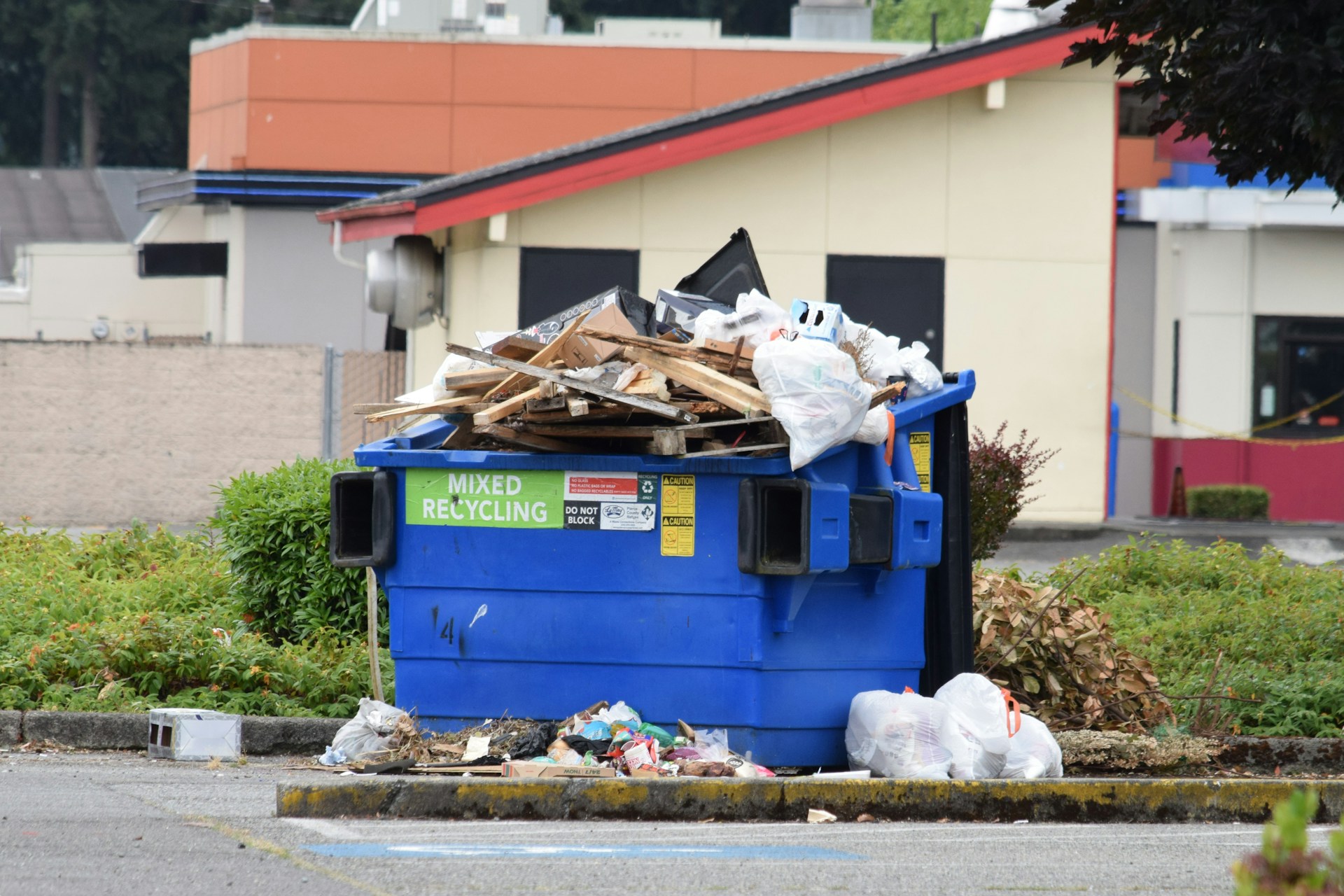
– Waste piles up around the container instead of fitting inside

– Employees complain about having to shift garbage around to make room

– Projects stall because waste hasn’t been cleared fast enough

– You’ve had to delay drop-offs or pickups because storage space is limited

For example, a contractor in Owensboro recently started a large siding replacement job after summer slowed them down. In just one week, their roll-off filled up completely. Instead of waiting around, they added a second container to keep things moving and avoid any downtime. By the time the first container was ready for pickup, the second one was already half full. Because both were planned in advance, they didn’t have to stop what they were doing to wait on an empty one to come back.

Pausing a job just to manage trash isn’t worth it. If you’re noticing any of these signs, adding another container might need to be your next step.

Benefits of Adding More Containers

Adding extra containers can really improve your game when it comes to handling waste. Imagine having all your trash neatly contained, rather than bits and pieces spilling over. Extra containers can tackle overflow issues head-on, maintaining both safety and tidiness on your site.

Here’s what you can expect when you ramp up your container count:

– Reduce overflow. Say goodbye to heaps of trash piled around your work area. Extra containers ensure that everything has its place, reducing clutter.

– Maintain cleanliness. More space means a cleaner environment, both aesthetically and for safety reasons. No more haphazard heaps to trip over.

– Improve workflow. With waste managed efficiently, you won’t face unexpected stoppages or delays. Everything runs smoother when you don’t have to worry about space for the leftovers.

Consider a local restaurant in Daviess County that preps for its busy holiday season. They added another container to handle the extra packaging and food waste. With this move, they avoided backups in their waste removal process, keeping their operations running smoothly and their area neat.

Choosing the Right Roll-off Container

Selecting the best roll-off container involves a bit of planning. You can’t just pick any container and hope for the best. The key is matching the container to your specific needs, especially based on what and how much you’re tossing out.

Here’s a simple guide to help you make the right choice:

1. Assess volume. Consider how much waste you typically generate. A small retail shop might need only a small container, while a construction site might need something more expansive.

2. Identify waste types. Different jobs produce different types of waste. Make sure to pick a container that’s suitable for the kinds of materials you’ll generate.

3. Think about space. Measure your available space. You’ll want to ensure there’s room for both the container and easy access for disposal.

4. Check local regulations. Daviess County might have specific rules about container sizes or waste types. It’s wise to stay informed.

Choosing correctly can save you time and make sure you’re operating within local guidelines, all while keeping your work environment orderly.

Local Waste Solutions for Efficient Waste Management

If you’re starting to notice that your current waste setup just isn’t keeping up, you’re not alone. From retail to food service to construction and more, businesses in Daviess County are finding that one container isn’t always enough.

Local Waste Solutions is based right here in the area and understands the specific needs of local businesses. Whether you’re working on a short-term job or managing ongoing waste from daily operations, having a dependable source for roll-off containers makes all the difference.

By offering multiple sizes and container solutions, our team can help you pick containers that fit your space and waste volume. With timely drop-offs and pickups, you’ll never feel like your project is stalled because of waste issues. If you need more than one container, we can coordinate placements to keep your crews working without interruption.

Our waste management plans are built to fit your operation, not the other way around.

Why It Pays To Stay Ahead

Good waste management is more than just picking up after yourself. It’s about having a system that keeps things moving and prevents hiccups. When done right, what started as a simple process of adding one more container can significantly improve your work environment.

By ensuring efficient trash removal, you avoid the stress and time lost from dealing with overflow or messy situations. Managing it right means focusing more on getting the job done and less on what’s leftover.

A business that keeps its area clean not only works better but also gives a solid impression. Employees work comfortably, and clients or customers see professionalism and care right from the moment they step in. Keeping waste under control helps create a workspace that’s safer, easier to work in, and better all around.

Having an efficient waste management system is key to keeping things moving smoothly. If your business in Daviess County is ready to step up its game, consider the benefits of adding an additional roll-off container in Daviess County

Planning for your needs can make all the difference in maintaining a clean, safe workspace. For tailored solutions and dependable service, count on Local Waste Solutions to help create a waste management plan that fits your operations.

Dumpsters

Solving Common Waste Container Problems

Waste containers are one of those things you don’t think twice about until they don’t work the way you need them to. Whether you’re cleaning out a garage, tackling a home remodel, or handling commercial debris, a poorly placed or overflowing container can get frustrating fast. Overflow can slow down your project, block access, or even create safety risks. And in places like Leitchfield, where urban and rural setups both exist, these problems show up differently depending on the setting.

Getting waste collection just right helps keep things moving without interruption. Most container problems happen for a few simple reasons: the wrong size, bad placement, or unclear timelines. Learning how to spot these issues and fix them early makes your cleanup or project run smoother. Below, we’ll go through the most common container problems and how to deal with them before they cause bigger setbacks.

Overflow and Overloading Issues

One of the most common waste container problems is overloading. It’s not always easy to estimate how much you’re going to toss out, especially if this is your first time dealing with a big project. But if the container ends up packed to the brim or spilling over, it often leads to delays, extra fees, or even safety concerns for people working around it.

There are a few common reasons why a container might overflow too quickly:

– Underestimating how much debris the job will produce

– Choosing the wrong container size

– Large, bulky items taking up too much space

– Gaps between scheduled pickups that are too wide

Once the container is full, you’re stuck until the next pickup. That’s why it’s smart to plan ahead. When in doubt, go one size bigger with your dumpster. It’s better to have a little extra room than to be left with nowhere to toss your waste.

To help avoid overloading, keep these ideas front of mind:

1. Break down furniture and boxes before tossing them in.

2. Never fill above the max line, even for just one extra item.

3. Load heavier materials like shingles or bricks on the bottom.

4. Base your pickup schedule on how fast the dumpster fills up rather than picking a random date.

5. Watch how fast it fills during the first couple of days to get ahead of the curve.

Think about a roof job in Leitchfield. The first few bundles of shingles go in, and you’re already halfway full. Before long, the rest of the scraps are piling up on the ground. By checking in early and adjusting your container size or pickup frequency, you avoid that pileup and keep the job moving.

Improper Waste Sorting

Throwing different types of waste into the same container might seem easy, but it can make things harder down the road. Mixing scrap wood, drywall, yard clippings, and old furniture can cause headaches during disposal. The result could be fines, delays, or trouble staying ahead of local rules.

Sorting doesn’t have to be a huge chore. Taking a bit of time before and during your project to set up the right system can make a big difference. Think about what kinds of waste your team will produce and use the right bins from the start.

Here are a few simple sorting tips to keep your site under control:

– Use clearly labeled containers for recyclables, yard waste, or heavy items

– Keep track of stuff that should never go in the dumpster, like paint, oil, or electronics

– Set containers nearby so workers don’t take shortcuts

– Make sure the whole team knows the sorting plan, especially if more than one container is in use

– Keep sharp or dangerous objects away from general waste

Sorting your waste helps you avoid surprise fees and keeps the work area safer and easier to navigate. When everything has a place, pickups go faster, and your provider doesn’t need to sort anything later. It also helps your project avoid snags caused by improper disposal methods.

Difficult Container Placement

Picking the right spot to place a waste container can be harder than it seems. If you’re working with cramped driveways, sloped yards, or limited entryways, you’ll need a solid plan. A container dropped in the wrong place can block traffic, cause delays in pickups, or even damage the property.

For Leitchfield residents and businesses, finding the right placement will vary depending on the layout. Urban streets offer less space. Rural jobs have to deal with slopes, soft ground, or tree lines. Both areas have their challenges.

Use these ideas to help plan a better spot for your waste container:

– Choose a flat surface so it doesn’t tip or shift

– Don’t place it on soft soil or grass that might sink when it rains

– Keep it away from doorways, driveways, sidewalks, and traffic routes

– Make sure there aren’t low-hanging branches or wires overhead

– In rural areas, make sure the location won’t cause harm to nearby plants or animals

Proper placement keeps things easy for workers walking to the container and for the truck driver picking it up. If you think it might be tight or tricky, talk it through with the provider before delivery so there are no surprises.

Scheduling and Pickup Problems

One thing that slows down projects more than anything else is poor scheduling. You may have the right dumpster and the best spot picked out, but if pickups don’t happen when they need to, the entire job can get thrown off.

Unexpected waste buildup isn’t just an inconvenience. In some cases, it can stop your work completely. Staying on top of the schedule helps make sure you’re not stuck waiting around.

It helps to start with an estimate of how much waste you’ll generate. Once you have that, think about how often the container will need to be emptied. Build your plan around those projections but stay flexible in case things change.

Here’s how you can stay on track:

1. Talk with your provider ahead of time about the expected waste load

2. Set an initial pickup schedule, even if it’s just a starting point

3. Watch waste levels, especially during the first few days

4. Stay in contact with your provider if you’re seeing changes in volume

5. Use calendar alerts to remind you when pickups are coming

Working with a local provider familiar with Leitchfield can shorten response times if you need to make last-minute adjustments. That relationship can be the difference between a smooth operation and a stalled job.

Better Planning Means Better Results

When you plan ahead, it’s easier to tackle the big and small challenges that show up during any cleanup or construction job. Overflowing dumpsters, sorting mistakes, bad placement, and missed pickups cost you more than just time. But you can avoid most of those problems by being clear about your needs from the beginning.

Think of it as part of the game plan for a successful project. With a local partner who knows the ins and outs of Leitchfield, those planning steps become even smoother. Whether you’re working in a tight city lot or wide open property, having the right strategy makes your waste handling easier.

A reliable layout, the correct container size, clear sorting methods, and dependable scheduling mean less stress for everyone involved. It keeps your team focused and your timeline intact. Getting it right early on almost always leads to better results in the end.

For a seamless waste management experience in Leitchfield, consider streamlining your cleanup process from the start. Whether you’re clearing out a residential property or coordinating a commercial renovation, having the right tools in place matters. Explore how a reliable waste removal dumpster from Local Waste Solutions can keep your project on track and running smoothly from day one.

Dumpsters

What To Do When You Need More Dumpster Space

When you’re knee-deep in a garage clean-out, home remodel, or managing a steady flow of commercial waste, running out of space in your dumpster can stop progress fast. A dumpster that fills up quicker than expected leads to more than just inconvenience. It adds time, increases mess, and interrupts whatever workflow you’ve got going. If you’re in Leitchfield and find yourself asking, “Why is this full already?” you’re not alone.

The good news is, there are smart ways to deal with limited dumpster capacity and even better ways to keep it from happening again. Whether you’re planning for an upcoming job or trying to fix an issue mid-project, having a good handle on how to manage space in your roll-off dumpster goes a long way. Let’s walk through how to spot the signs you need more space, figure out how much waste you’re actually producing, and what you can do to stay ahead of the mess.

Signs You Need More Dumpster Space

If your dumpster’s starting to look like a game of junk Tetris and you’re constantly trying to squeeze in just one more thing, that’s the first clue. Overflowing or tight-packed dumpsters don’t just look messy. They make it harder and sometimes riskier to get work done. When waste is scattered outside the container or piled high above the rim, it’s time to think about a better setup.

Here are some clear signs that you’ve outgrown your current dumpster:

– Overflow after every pickup: If the container fills before your next scheduled haul, your project may need more room.

– Multiple dump piles around the site: Trash or debris sitting somewhere other than the dumpster likely means your space isn’t cutting it.

– You’re pausing work just to handle the trash: If team members or helpers are spending more time moving stuff around the dumpster than getting the actual job done, something’s off.

– The current size never feels like enough: If you’re always trying to plan around dumpster pickups or deliveries, a larger or additional container might reduce that juggling act.

– Different types of junk are getting mixed up: If you’re trying to manage yard debris, furniture, and construction waste all in one small bin, a bit more space or even a separate container could help make things smoother.

Picture this. You’re clearing out an older home in Leitchfield for a renovation. At first, the 20-yard dumpster seems just right. But by day two, the old drywall, wood trim, carpet, and broken appliances are already filling it to the brim. You start stacking bags around the dumpster or waiting hours between pickups, which slows everything down and increases the chances of damage or missed debris.

Spotting these kinds of warning signs early can help keep your project moving without needless interruptions. Part of that means being honest about how much space your job really calls for.

Assessing Your Waste Volume

Figuring out how much dumpster space you need isn’t always simple, especially when projects change midway. What starts out small can grow quickly as more work gets underway. Taking a little time upfront to estimate the waste volume can help avoid last-minute pickups or full dumpsters holding up the job.

Here’s how to better gauge what size dumpster your project might need:

– Project size: Are you redoing a bathroom or gutting an entire house? Bigger projects mean more waste.

– Material type: Dense materials like tile or concrete use up space differently than lighter things like cardboard or insulation.

– Timeline: A short project that creates a lot of waste all at once might need a larger dumpster immediately. Longer timelines with steady progress might do better with consistent pickups.

– Number of workers: More people working means more gets tossed in faster, which fills up your dumpster quicker than expected.

Taking these details into account can help you pick a better dumpster setup. If you’re unsure, talking to someone experienced with roll-off dumpsters in Leitchfield makes the decision less stressful. It helps you avoid overflow problems and wasted time down the line.

How To Get More Dumpster Space

Once you know you need more space, getting it is simpler than you might think. Whether it’s swapping out for something larger or getting pickups more often, there are ways to stay on track without letting trash pile up.

A larger roll-off dumpster lets you start with more room from the beginning, especially if your project has a lot of moving parts or debris. That extra space means fewer pauses to deal with overflow and more focus on the actual work.

If upgrading the size isn’t an option, more frequent pickups might do the trick. They work great for long jobs that have a steady waste stream. More pickups mean less buildup and more flexibility if things change along the way.

Here are a few straightforward ways to handle increased waste:

– Upgrade the size: A bigger dumpster means more room and fewer interruptions.

– Increase pickup frequency: Schedule more hauls during long or high-volume projects.

– Add a second container: Use separate bins for different materials to keep things organized and under control.

– Look for flexible options: Partner with companies that adjust plans based on your progress and changing needs.

Working with a dependable team who knows Leitchfield helps you make smarter choices without wasting resources or time figuring everything out alone.

Benefits Of Proper Dumpster Space

The right amount of dumpster space makes a visible difference in how your project flows. With the right setup, things stay on track. You don’t need unexpected pauses, and you definitely don’t need to scramble to make room.

It keeps the workspace neater, which lowers the chance of accidents or equipment troubles. Less mess means better visibility and fewer things in the way. That’s especially useful when many people are moving around the job site.

There’s a money angle, too. When containers are the right size, you’re not constantly ordering more hauls or extra bins at the last minute. That makes scheduling easier and keeps labor focused on the task instead of cleanup.

By thinking through your dumpster needs at the start, you’re more likely to stay on track and avoid the chaos that comes with poor planning. Enough space means a smoother experience overall with less stress for everyone involved.

Simplify Your Waste Management with Local Waste Solutions

Managing waste in Leitchfield doesn’t have to feel like a guessing game. Once you’re aware of the warning signs and understand how to assess and improve your situation, it’s much easier to keep things moving without delays.

Knowing when to make a change and having the right support can mean fewer headaches and better results. With a little preparation and the right waste strategy, your work feels more efficient and less cluttered from start to finish.

Stay alert, make smart calls about your dumpster space, and let smart planning work in your favor. Whether it’s a home renovation or a long commercial project, the right dumpster setup keeps your jobsite safe, organized, and on schedule.

If you’re ready to keep your project moving without interruptions, explore our flexible options for roll-off dumpsters in Leitchfield. Local Waste Solutions is here to simplify your cleanup and make waste management one less thing to worry about.

Dumpsters

Making Your Dumpster More Accessible In Central City

If a dumpster’s hard to reach, folks are less likely to use it the right way. Whether that’s at a work site, behind a business, or helping out during a home cleanout, where and how a dumpster sits can make things better or worse. When dumpsters are easy to get to, projects run smoother, waste ends up where it belongs, and people avoid unnecessary messes. That’s why learning how to make a dumpster more accessible can really save time and headaches, whether you’re renovating one room or managing a larger commercial job.

Central City has its fair share of narrow alleys, sloped driveways, and tight lot spaces. If you’re setting up a dumpster for the first time or just want to make things easier, thinking ahead goes a long way. Let’s look at how the right spot, smart labeling, and a few other small updates can make a big difference in how easily your dumpster gets used.

Positioning Your Dumpster

The spot you choose for a dumpster can really make or break the flow of a project. If it’s too far away or blocked by vehicles, you’ll end up with random trash piles or wasted time trying to work around it. Picking the right place helps avoid damage to property while keeping everything moving without delay.

Here are a few things to think about when picking a location:

– Flat and solid ground: Avoid steep slopes or soft ground. Uneven surfaces can make loading hard and may cause the container to tilt or sink.

– Access for trucks: Roll-off dumpster trucks need space to drop off and pick up the container. Leave enough room for the truck to safely back in and pull out without hitting anything.

– Distance from work areas: Don’t make your crew walk too far. Keeping the dumpster close to where most of the mess is being made cuts down on time and effort.

– Neighborhood rules: If you’re placing the dumpster on a street or shared drive, check to see if clearance or permits are needed. Central City may have guidelines about where dumpsters can stay and for how long.

You also want to take the weather into account. Fall in Central City can mean wet leaves on driveways and muddy back lots. If a truck can’t get traction or the container shifts due to water pooling underneath, it complicates things fast. Giving some thought to surface drainage and firm footing helps keep that from becoming an issue.

Simplifying Access With Clear Signage

Even when a dumpster is in the right spot, things can go sideways if it’s not obvious how to use it. Clear signs help keep stuff organized and keep people from having to guess. If you’re dealing with lots of foot traffic or multiple workers using the same bin, signs help keep trash from ending up on the ground or in the wrong place.

Helpful ideas for signage:

– Label the dumpster to show exactly what can go inside. Use bold letters and weather-resistant material if the bin will be outside for a while.

– Hang a visible Do Not Block sign near the area if you’re worried about cars parking in front of it. Dumpster trucks can’t do much if they can’t reach the container.

– Use directional arrows or labels pointing to recycling bins, especially on shared job sites with different material types.

One example that stands out is a property owner in Central City working on a rental cleanup. They placed their dumpster in a shared alley. After one week, they noticed neighbors tossing random junk inside. A quick fix involved adding a Construction Debris Only – No Furniture or Trash Bags sign taped near the opening. After that, the misuse pretty much stopped.

Signs don’t have to be fancy or expensive. A little duct tape, a waterproof marker, and a sturdy board can do the trick. It’s more about taking that extra five minutes to show people what’s expected. That effort reduces clean-up work later and protects you from being stuck with unplanned waste hauling.

Maintaining a Clean and Safe Area Around the Dumpster

Keeping the area around your dumpster clean and safe can prevent potential issues like trash overflow and tripping hazards. A tidy environment not only looks better but also creates a safer and more efficient workspace. Regular maintenance is the key to achieving both. You’ll want to make sure there’s enough space around the dumpster so people can easily access it without having to navigate through clutter.

Here are some tips to maintain a clean and safe area:

– Regular clean-up: Set a routine for checking the dumpster area. Remove any debris or trash that might have missed the bin. This helps prevent overflow and keeps pests away.

– Monitor fullness: Keep an eye on how quickly the dumpster fills up. If it gets packed too soon, consider scheduling extra pickups or getting a larger container next time.

– Safety reminders: Post reminders about closing the dumpster’s lid after use. An open lid can attract pests and cause unpleasant smells, especially in warmer months like September in Central City.

It’s helpful to have a checklist to follow each week or even daily, depending on your usage. For example, tasks might include sweeping nearby walkways or picking up loose litter. These small actions make a big difference over time in reducing mess and hazards.

Scheduling Regular Pickups

An important part of efficient dumpster use is setting up regular pickups during busy times. This step helps your project run smoothly and keeps overflowing waste from slowing you down. When you know the dumpster will be emptied on time, you can focus on the task at hand instead of worrying about waste buildup.

Some steps to make sure your dumpster is emptied when you need it:

– Plan pickup times: Coordinate schedules based on your project’s waste habits. If you’re cleaning out a building, the number of pickups might ramp up as you approach completion.

– Stay flexible: It’s helpful to have a plan, but be ready in case you need extra support or changes, especially if unexpected things pop up.

Scheduling more frequent pickups during peak periods or ahead of deadlines helps prevent things from piling up. Not having to worry about how and when waste gets handled gives you the space to keep your focus where it matters most.

Making Dumpster Access Work For You

Making sure a dumpster is easy to use in Central City makes a real difference in how a project plays out. Whether you’re tossing away household junk, construction debris, or commercial waste, small steps like thoughtful placement, clear labels, a clean zone, and regular pickup plans help keep everything moving.

When set up the right way, dumpsters don’t cause confusion or slow downs. They do their job, just like you do yours. By planning ahead with a reliable provider and looking after your setup once it’s in place, you’ll have a much smoother experience from start to finish.

Choosing the right approach to dumpster access is better for workers, keeps properties neater, and helps stick to deadlines without clutter slowing things down. Central City jobs of all sizes run better when waste handling is easy and out of the way. Smart choices today save you frustration tomorrow.

If you want a smoother way to manage cleanup and stay on schedule, consider using dumpster rental in Central City from Local Waste Solutions. We make it simple to keep waste under control so your crew can stay focused on the job.

Dumpsters

Quick Solutions For Debris Removal Problems

No matter how organized a build might be, debris is going to pile up fast once work kicks off. Whether it’s from tearing down drywall, ripping out flooring, or cleaning up scrap from new installations, construction and renovation work creates mess. If that mess isn’t handled in time, it slows everything down. Overflowing piles get in the way, surround important work areas, and even create safety issues for the crew.

In Owensboro, staying on top of debris removal plays a big part in how smoothly a job runs. Construction sites here, whether it’s a small home remodel or a long-term commercial build, rely on consistent waste handling to avoid delays. When you wait too long to deal with debris or don’t have enough pickup support, it creates stress you don’t need during a busy project.

Identifying Common Debris Removal Problems

The early signs that a project’s waste plan isn’t working can show up quickly. Ignoring them means they’ll likely turn into bigger problems. Most of these issues are easy to spot—like dumpsters overfilling before the day’s done or piles of trash creeping into active workspaces.

Here are some of the typical debris problems showing up on Owensboro job sites:

– Overflowing containers: When containers hit capacity too early and you’re still generating debris, it not only slows down the project but creates tripping hazards and a cluttered environment.

– Slow progress due to cleanup: When your crew spends time clearing space for movement instead of doing their main tasks, that eats into productivity.

– Mixed waste types: Projects often generate a mix of materials like concrete, drywall, shingles, and scrap wood. Each type has different handling needs, and throwing them all in the same bin often requires more pickups or sorting.

– Limited space for dumpsters: Smaller or tight job sites in certain Owensboro neighborhoods make it hard to position or swap out dumpsters, slowing down workflow.

– Pickup delays: If your container is full and the scheduled pickup is behind, progress grinds to a halt. There’s nowhere to throw the new debris, making things back up fast.

Take for example a team doing a full-scale remodel of a home on Griffith Avenue. After tearing out the kitchen and both bathrooms over three days, the standard-sized container on-site was completely full. Debris ended up lining the sidewalk and causing issues for neighbors and material deliveries. A better removal plan could have kept things moving without the extra stress.

Spotting these issues as they happen or before they happen helps prevent minor delays from snowballing into full-blown problems.

Quick And Effective Solutions For Debris Problems

The good news is that most debris problems have quick fixes. Smart planning and flexibility can make a big difference in how smoothly everything runs. Below are some easy improvements that pay off right away:

1. Schedule pickups more often

If your bins are filling up too fast, don’t wait for the regular haul day. Add more pickups during high-activity phases like demolition or framing.

2. Use the right size dumpster

Choosing the wrong size container can clog up a job fast. Big jobs need bigger containers or even more than one. Look at what kind of waste your project will create and plan for the volume upfront.

3. Plan pickups around project milestones

The day after demo? Get a pickup. Just finished framing or cleared out an old shed? Get another one. Aligning removal with your timeline avoids backups and keeps your site moving.

4. Place bins strategically on site

Better placement means less time walking trash across the site and fewer workflow interruptions. Put bins where they’re close to heavy waste zones but still out of the way.

5. Divide debris by type if possible

If space allows, have separate containers for heavy waste like concrete or brick versus lighter materials like drywall and packaging. That can cut down the number of hauls, keep weight down per bin, and possibly reduce disposal costs.

By building these habits into your project schedule, your job stays cleaner, safer, and more focused on what really matters: completing the work without delays.

Benefits Of Professional Debris Hauling

Working with a professional debris hauling service gives you confidence that cleanup is already covered. Walking onto an Owensboro job site and seeing yesterday’s waste already gone changes the tone of the whole day. That kind of support lets your crew get to work right away without wasting energy managing piles of trash.

Clean sites help with safety, too. Your team isn’t stepping over materials or trying to locate tools buried under clutter. That makes for fewer injuries, less frustration, and better morale overall. With everything in its place, each task happens more smoothly.

There are legal benefits as well. Construction debris must follow local guidelines for disposal. Professionals understand these rules and manage the process for you, including sorting materials and handling any necessary permits or documentation. That allows you to keep your focus on the build instead of worrying about surprise fines or violations.

Most important is the peace of mind that comes with knowing your waste is being dealt with professionally. When you don’t have to mess with the logistics of dumpster swaps, haul schedules, or material sorting, everything else runs easier. With debris hauling handled by trusted experts, your operation gets that extra layer of reliability.

How To Get Started With Local Waste Solutions

If you’re ready to take debris hauling off your plate, all it takes is a quick conversation with Local Waste Solutions. We help contractors, business owners, and property managers across Owensboro line up the right plan from day one.

Start by reviewing the worksite’s needs. How many work phases will there be? What kind of debris will it produce? These are the first questions we’ll want to go over to find the right setup before you even tear out the first wall.

Next, we’ll work with you to plan out a pickup schedule that matches your timeline. Whether it’s daily during the most active week or just once a week during cleanup phases, we adjust as your job evolves.

From there, we help monitor how it’s going. If bins are filling up faster than expected or spacing becomes an issue, we’ll switch things up to match the pace. Ongoing planning like this makes sure your project always stays one step ahead of any waste-related hiccups.

Make Debris One Less Thing to Worry About

When waste removal works smoothly, your job site works better. It’s that simple. The right dumpster size, pickup timing, and layout can save hours every week. It takes stress off the crew, keeps the pace going strong, and prevents the kind of bottlenecks that can stall a job.

In Owensboro, where residential homes and large commercial spaces alike are popping up with new builds and major renovations, keeping job sites clean plays a huge part in keeping them efficient. Good debris hauling keeps neighbors happy, timelines safe, and work crews moving without delay.

Whether you’re knocking out a quick renovation or deep into a multi-phase build, starting with a smart debris plan puts you in a better position from the jump. Let us help handle it. You focus on the work—we’ll keep the site ready for what’s next.

For a smooth construction or renovation process in Owensboro, efficient debris management is key. If you’re looking for reliable solutions, explore how our expert debris hauling in Owensboro can make a difference. Local Waste Solutions provides the tools and services you need to maintain a clean, safe, and productive site. Connect with us today to ensure your project stays on track and free of unnecessary complications.

Dumpsters

What To Do When Regular Pickup Isn’t Enough

When you’re tackling a construction or renovation project in Ohio County, staying ahead of waste buildup is just part of the job. Most of the time, a regular dumpster pickup schedule works fine. But certain projects don’t always follow the script, and you can find yourself staring at a full dumpster with nowhere left to pile the debris. That’s when things get tough. Overflowing waste doesn’t just slow you down, it creates safety risks, gets in your crew’s way, and can make your site look completely disorganized.

Sometimes the problem isn’t what you’re doing but how quickly it’s happening. Fast-moving crews, heavier materials, or unexpected demolition changes can throw a wrench into even the best plans. When regular waste removal isn’t cutting it, adjusting your strategy makes a big difference. Knowing when and how to do that keeps your workflow moving and makes daily site operations way smoother.

Recognizing When You Need Additional Pickups

Most crews know when something feels off on the job site. One day the dumpster looks about half full. The next, construction debris is spilling over, and the scheduled haul isn’t for another three days. That’s your first sign the regular pickup plan might need a second look.

Here are some clear warning signs that your current setup isn’t handling the load:

– Waste is piling up around the dumpster instead of inside it

– Your crew spends more time shifting trash than getting actual work done

– There’s a steady flow of bulky materials day after day

– You’ve had to ask drivers to delay pickup because the weight is too much

– Trash blocks access points or creates potential tripping hazards

Picture a renovation crew working through an old house demo. They’ve got sheetrock, insulation, floorboards, and even an outdated fireplace facade hitting the dumpster all in one day. They thought the standard bi-weekly pickup would be plenty, but by the end of the third workday, the bin’s overloaded and they’re out of room.

In these moments, it’s best to act fast. Waiting too long to deal with overflow only pushes the problem further into the build schedule. Once you’re seeing these patterns, it’s time to consider a pickup plan that better matches your pace.

Benefits Of Extra Dumpster Pickups

Upgrading to more frequent dumpster pickups gives you more control over the site. Instead of being stuck waiting or trying to cram in a few more loads, your crew can keep moving without interruption. That alone can save you time, money, and hassle.

Other benefits to scheduling more pickups include:

– Fewer safety risks from piled-up or scattered debris

– Better airflow and movement around the site for workers and equipment

– Less time wasted dealing with full containers

– Staying aligned with local regulations that may fine overflowing sites

A cleaner work area always improves morale too. When your site flows better, your team feels like they’re staying on track. Whether you’re managing a series of small jobs or rolling through a three-month build, being able to adjust your waste service schedule to match your workload helps everything run smoother.

How To Schedule Extra Pickups with Local Waste Solutions

Stepping up your dumpster service isn’t complicated, but knowing where to start helps. When you recognize the signs that extra pickups are necessary, reaching out to a trusted waste management company to discuss your needs becomes the logical step forward. They will assess your situation to ensure services align with your project’s pace and volume.

To streamline this process, follow these simple steps:

1. Evaluate Your Project Needs: Determine which days are particularly heavy with waste production. Note any trends, such as days when work is intense or when deliveries pile up.

2. Contact a Reliable Service Provider: Reach out to your go-to waste service company to discuss your situation. They’ll help you with scheduling extra pickups to keep you on track.

3. Set a New Schedule: Work with the provider to hatch a plan that fits your timeline, ensuring waste never limits your progress.

4. Regularly Review the Schedule: Keep an eye on how things are flowing. You may need to adjust the schedule as your project evolves or during key phases of construction.

A structured approach to waste removal, adjusting as necessary, keeps your site organized and compliant while boosting efficiency.

The Role of Dumpster Size and Type in Waste Management

Having the right dumpster can make all the difference in managing waste effectively. Selecting a dumpster that fits your project’s needs avoids unnecessary stress and expenditures. While it might seem like just a box, finding a suitable size affects the frequency of pickups and your overall waste strategy.

Here’s how different factors impact your choice:

– Size Matters: Small dumpsters fill up fast, leading to bottlenecks. Choose a size that can handle peak days without adding extra pickups unnecessarily

– The Right Fit: Some dumpsters are better for specific waste types. Heavy debris from demo work or lightweight materials will affect how full a dumpster can get before hitting weight limits

– Access and Space on Site: Bigger isn’t always better if it clogs up your workspace. Pick a size you can easily maneuver around

By evaluating your construction needs and speaking to waste management professionals, you ensure the chosen dumpster type and size complement your workflow. This proactive approach minimizes disruptions and maximizes efficiency in keeping the site waste-free.

Staying Ahead of Waste Makes All the Difference

Understanding and addressing waste management needs help construction projects in Ohio County run smoothly. Regular evaluations and adjustments, like increasing pickup frequency or choosing the right dumpster size, keep your site clean, safe, and productive.

A clutter-free space leads to better focus, easier movement, and fewer slowdowns. Your crew won’t need to waste time dodging trash or figuring out where to throw the next bucket of debris.

Working with a trusted local service gives you the kind of flexibility to adjust on the fly. Whether it’s a delay in materials or a burst of activity during a busy week, having the ability to bump up dumpster pickups or refine your plan means your schedule stays on track. By sticking to a smart waste strategy and choosing solutions that match your pace, your site stays properly managed from start to finish.

Enhance your construction site efficiency in Ohio County by organizing a dumpster service that meets your needs effectively. With Local Waste Solutions, you’ll find solutions tailored to the demands of your project. Arrange a reliable dumpster service in Ohio County to keep your site clean and your crew working smoothly. Rely on Local Waste Solutions to manage your waste with ease and professionalism.

Dumpsters

Dealing With Construction Waste Overflow Issues

Construction projects in Spencer County come with plenty of moving parts, and keeping everything on track takes some serious coordination. One area that often gets overlooked is managing the waste that piles up during the job. Overflowing dumpsters are more than just annoying. They can slow down the work, create safety issues, and frustrate crews, neighbors, or clients. When materials start spilling over the sides or blocking walkways, that’s a clear sign something’s not working.

Whether you’re working on a residential remodel, a commercial build, or clearing land, how you handle waste matters. Having a dumpster on-site is a good start, but it’s how you load it, size it, and schedule pickups that makes the biggest difference. Figuring out how to deal with extra trash before it becomes a problem helps keep the job running smoothly and your site easier to manage.

Identifying Common Causes Of Waste Overflow

Dumpsters don’t usually overflow by accident. One of the most common reasons is starting with the wrong size container. Trying to squeeze debris from a large project into a small dumpster fills it up fast. Delaying a haul or keeping waste on-site too long also causes issues, especially when crews are dumping daily. The next thing you know, materials are piled up around the bin, taking up space and creating safety hazards.

Here are a few other common causes:

– Failing to break down bulky items like cabinets or drywall, which takes up unnecessary space

– Tossing materials in without layering properly to pack things down

– Mixing in trash that’s not construction-related and should be disposed of elsewhere

– Ignoring weight restrictions, which can delay or block scheduled pickups

For example, say a builder uses one medium dumpster for several small jobs. It might seem like a smart way to save money at first. But after a few days, the dumpster overflows and the hauler won’t collect due to the excess. Now instead of focusing on the build, the crew is stuck dealing with leftover mess and wasted time.

Understanding where things went wrong makes it easier to fix the system before it becomes a big setback. Whether that means choosing a larger bin, breaking down materials, or setting up earlier hauls, making these changes ahead of time helps avoid trouble later.

Choosing The Right Construction Dumpster Size

Dumpster size plays a big role in keeping a job site clean and efficient. It comes down to how much waste your project will produce and the types of materials you’re tossing out. Concrete weighs a lot and takes up space fast, while old cabinets and insulation might stack better if broken down.

Here’s a general breakdown of sizes and what they fit best:

– 10-yard dumpster: Great for bathroom remodels or small concrete removals

– 20-yard dumpster: Common choice for kitchen renovations or single-room tear-outs

– 30-yard dumpster: Right for mid-size construction like home additions or property clean-ups

– 40-yard dumpster: Ideal for commercial sites or big demolition projects

In Spencer County, where there’s a mix of residential and small commercial work, sizing your dumpster right means thinking about all the phases of your job. For instance, clearing some landscaping might seem minor, but once you remove a fence, haul out shrubs, and rip up part of the driveway, that waste adds up fast. A 10-yard bin might not cut it after all.

If you’re unsure, it’s better to go a bit bigger or schedule a swap halfway through. That way, you avoid extra charges for overflow or damage to the site from piled-up debris. And with heavier materials, don’t forget to think about weight limits. Two smaller dumpsters might be better than one oversized container if weight becomes an issue.

Making size decisions early on helps the rest of the job go more smoothly. It reduces delays, keeps things tidy, and cuts down on unexpected costs.

Best Practices For Efficient Waste Disposal

Once you’ve got a dumpster on-site, the next step is loading it right. The way waste is thrown in has a big impact on space and safety. Good habits here stretch the lifespan of your container and keep your team safer too.

Start by sorting what you can. Recyclables, wood, drywall, and trash all have their place. Keeping them separate makes it easier for the hauler and opens up more room in your bin.

A few disposal tips to make the most of your space:

– Sort out materials into piles before dumping

– Break down large items like shelving or cabinetry

– Load heavier items at the bottom and lighter waste on top

– Avoid tossing in garbage that should be handled separately, like food or household trash

Think of it like packing for a trip. You wouldn’t just throw everything into a suitcase and hope it fits. Layering and organizing your tosses makes the most of your space from the ground up.

These small steps help manage your space better and reduce the need for early hauls or extra bins. Plus, local Spencer County guidelines often require some level of waste separation, so sorting will keep you compliant with local expectations.

Scheduling Regular Dumpster Pickups

When it comes to construction trash, you don’t want to wait until the bin is full to the top before taking action. Overflow causes headaches fast. One of the best ways to stay ahead of the mess is by putting a pickup schedule in place that fits your job timeline.

Depending on the type of work you’re doing, you might need more frequent service. A few things that help determine your schedule:

– Your overall project timeline and key milestones

– Type of materials involved (heavier objects usually fill faster)

– Size of the work crew and how quickly they produce waste

Planning for pickup at regular points keeps the container from becoming a problem. If the walls are lined with materials because there’s no more room inside, work slows down and safety concerns increase.

In Spencer County, arranging for a waste hauler that can adjust the pickup schedule based on your needs is a huge benefit. Changes in crew size or material types shouldn’t throw off your plan. Expect the unexpected and build a little cushion into your waste plan to avoid scrambling.

Staying flexible with your waste timeline and booking pickup in advance helps your team focus on the work instead of dealing with debris.

Partnering With A Reliable Waste Management Service

Choosing the right waste management partner is just as important as picking tools or vendors for other parts of your project. The right company will bring more than dumpsters. They bring timing that works with your schedule, containers that fit your space, and service that responds fast when your needs change.

Experienced providers can help you choose the right size, help set smart hauls, and offer ideas for reducing waste volume. It’s not just about dropping off a bin and driving away. A good partner watches for potential problems, works to keep pickups on track, and has the tools to handle whatever trash your site produces.

Spencer County contractors benefit from services that understand local needs. Whether it’s a one-week residential job or a months-long commercial buildout, dependable support can keep your waste under control. You don’t have to spend your time chasing trucks or adjusting to poor pickup performance.

Having someone on your side who gets it makes for fewer worries and better results all around.

Keeping Everything Running Smoothly on Your Job Site

Managing construction waste doesn’t have to be a constant headache. Taking small steps early on leads to a job site that’s safer, cleaner, and more productive. When you choose the right size dumpster, stack your materials smart, and plan for pickup ahead of time, there’s less risk of the kind of mess that stalls progress and frustrates your team.

In Spencer County, where tight spaces and community standards matter, keeping your project tidy means fewer neighbor complaints and smoother day-to-day work. With the help of a reliable waste service, you stay ahead of the clutter and keep the job moving without missing a beat.

Set your project up for success by making waste part of your plan, not an afterthought. Clean work zones help build better results.

Managing construction waste effectively can make a big difference in how smoothly your project runs. To keep things on track and avoid overflow problems, consider working with Local Waste Solutions. If you’re looking for the right solution, a construction dumpster in Spencer County might be the answer you need to stay organized and ahead of schedule.

Dumpsters

Solving Common Roll-Off Container Problems In Henderson

Roll-off containers are meant to make cleanup easier. For many projects in Henderson, they’re the go-to choice for keeping materials in one place and off the ground. But when problems come up like a container that’s stuck in place, leaking, or not picked up on time, they can go from helpful to frustrating fast. These are headaches that no one wants when trying to finish a cleanup or keep a site moving smoothly. Most of the issues aren’t unheard of, and the good news is, they can be handled with a little know-how.

Whether it’s yard waste from late-summer landscaping or leftover material from a roof job, there’s always a lot to think about. It’s easy to overlook small things until they turn into delays or extra costs. Knowing how to spot trouble early and learning a few ways to prevent or fix it can make a difference, saving you time, keeping the space safer, and making sure cleanup jobs wrap up without extra stress. Here are the most common roll-off container problems folks run into in Henderson and how to get ahead of them.

Difficulty Moving the Container

One of the most common roll-off issues is not being able to move the container when it’s time for pickup. If a truck shows up and the container is too heavy or oddly balanced, they won’t be able to haul it off safely, which delays cleanup and could mean extra charges. This often happens when heavier materials like concrete chunks, soaked wood, or shingles sit together in one section or aren’t spread evenly across the bottom.

Sometimes, containers are placed on ground that’s not level or on soft surfaces like grass. Over time, especially during those late August rains in Henderson, they can settle into the ground or shift slightly, making it hard to lift them. Here’s where good loading habits come in.

To avoid this problem:

– Spread heavy materials evenly. Don’t pile bricks or tiles in one corner or all on one side.

– Try to place the container on pavement or gravel if possible. Avoid wet soil and lawns.

– Stop loading once the fill line is reached. Even if there’s space left, weight matters more than volume.

– If the job site includes heavy debris, consider asking ahead about weight limits and splitting materials across containers.

When a container’s too heavy to haul, it doesn’t just slow down your project. It can affect the next one waiting on that spot. Making minor adjustments during loading saves a lot of hassle later.

Leakage And Contamination Concerns

Another issue that pops up during warmer months is leakage. Late summer storms and high humidity in Henderson can make this worse, especially if the roll-off container holds household junk, soaked wood, or bagged waste. When water collects or liquids seep through torn bags, the runoff can stain a driveway, leak into the street, or even violate local dumping rules.

Leaking waste can also cause an unwanted smell, especially if food scraps, paint, or older trash are involved. Containers left out in high heat with the wrong mix of materials can quickly become a mess. The key is being careful with what you toss in and how you place it.

Here are a few ways to avoid trouble:

1. Keep liquids out. That includes paints, oils, and chemicals. These items should be handled separately.

2. Use sealed bags for any items that might leak. Double-bag when unsure.

3. If rain is expected, cover the container with a tarp secured on all sides.

4. Don’t dump open containers of food or drink. Let them dry out or dispose of them in closed trash before loading.

A single container leak can lead to cleanup headaches, especially if you’re near stormwater drains or city property. Planning a little better before tossing in questionable materials can make the entire process cleaner and smoother. If something doesn’t seem right, call the company for clear answers on what’s safe to put in. It’s always better to ask than guess when liquids or contaminants are involved.

Scheduling And Pickup Problems

Timing is everything when it comes to waste removal. Sometimes, a roll-off container pickup is delayed, or worse, gets missed entirely. This usually happens because schedules get mixed up or weather interruptions disrupt plans. No one wants to see a project paused just because the dumpster is still sitting there full.

To keep things on track, it’s wise to plan ahead with scheduling. Regular pickups mean less chance of a hiccup causing delays. If your project timeline changes or you finish earlier than expected, make sure to contact the waste management service right away to adjust the schedule.

A few steps to keep in mind to avoid pickup headaches:

1. Book your pickups as early as possible.

2. Confirm your pickup dates ahead of time and make sure everyone involved knows the schedule.

3. If weather forecasts suggest disruptions, plan an alternative pickup day.

It’s all about clear communication. And if a change occurs, being upfront with the service can lead to quick fixes, reducing downtime on site.

Navigating Local Regulations And Restrictions

Every area has its own rules when it comes to waste disposal, and Henderson is no different. Before renting a dumpster, be sure to know what those regulations are to avoid any penalties. Unfamiliarity can lead to accidental breaching of laws, which may result in fines.

Henderson has guidelines around where containers can be placed, what can be inside, and how long they can remain. Knowing these will help things go without a hitch. For example, some hazardous materials might need special handling, while certain areas may not allow dumpsters on public streets.

Key tips:

– Always check with local authorities if unsure about placement rules.

– Double-check what materials are allowed in the rented containers.

– Make note of time limits for how long containers can remain at your site.

Keeping informed about these points ensures your project stays compliant and avoids unexpected obstacles.

Keeping the Cleanup Rolling Smoothly

Making your waste disposal process headache-free is all about prevention and smart planning. By recognizing potential pitfalls and actively addressing them, you can steer clear of most common problems. It’s not just about avoiding troubles but also about keeping the project safe and running efficiently.

Taking proactive steps toward smarter waste management can feel satisfying when a project finishes smoothly. By staying informed and making adjustments when needed, you’re likely to find fewer surprises and more success.

For those seeking less hassle in cleanup projects, partnering with a knowledgeable waste management service can really help things flow better. It’s often the mix of quick adjustments and clear communication that keeps everything tidy and on schedule.

If you’re looking for a simple way to stay on top of your project cleanup, a reliable roll-off dumpster rental in Henderson can make all the difference. Local Waste Solutions is ready to help with fast service and dependable support every step of the way.

Dumpsters

Making Your Dumpster Work Better In Spencer County

Renting a dumpster for a home project or cleanup around Spencer County can really make things easier, but only if you know how to get the most out of it. Whether you’re working on a remodeling job, getting rid of clutter, or handling landscaping debris, how you load, place, and use your dumpster plays a big role in how smoothly things go. It’s more than just having a big bin dropped in your driveway. It’s about making that service work with your space, your project, and your timeline.

If you’ve never rented one before, or even if you have, a few simple moves can help you avoid common hiccups like wrong sizing, poor access, or unsafe loading. Let’s go through some steps that help make your dumpster rental simpler and more cost-effective so you spend more time working and less time worrying.

Choosing the Right Size Dumpster

Picking the right dumpster size isn’t just a matter of guessing. Getting one that’s too small means trash may pile up outside the bin. On the other hand, a dumpster that’s too large may leave you paying for more space than you’ll actually use. Most rental services offer standard sizes, so it helps to take a close look at your project and match it with the right container.

Here are a few size suggestions based on common projects:

– Small cleanouts or minor yard work: 10-yard dumpster

– Medium renovation or roofing projects: 15- to 20-yard dumpster

– Large home cleanouts or remodeling jobs: 30- to 40-yard dumpster

When trying to estimate what you’ll need, think about the volume of material in pickup truck loads. A 10-yard dumpster typically holds about three pickups worth. If you’re gutting a kitchen or bathroom, going with a 20-yard container gives you the space needed to work without overloading.

The type of waste also matters. Heavy debris such as concrete, brick, or roofing shingles can push you close to the weight limit even if the dumpster isn’t full. In cases like these, a smaller container with an additional pickup may be better than one large, overweight one.

Optimal Dumpster Placement

Once you’ve picked your size, the next step is making sure your dumpster can be placed where it’s most useful. Where you put the container can impact everything from how easily you can toss in debris to whether the hauler can safely drop off or retrieve it.

To choose the right location:

– Use a flat, sturdy surface like a concrete driveway

– Avoid areas with slopes, dips, or soft ground that may cause sinking

– Stay clear of low power lines or tree limbs

– Place it close to your project so loading is easy and safe

– Make sure the collection truck can get in and out without strain

If your dumpster will be on a lawn or gravel, putting down plywood can help spread the weight and protect the ground. In Spencer County, where many properties have gravel driveways or sloped yards, a little prep makes a big difference. One resident placed their bin on a slight incline, only to find materials shifted after a heavy rain, making pickup tricky. Leveling the surface beforehand could’ve saved time and stress.

Also, be sure to check if you need a permit. Some neighborhoods have rules about where dumpsters can sit, especially if they’re visible from the street. A quick call to your local office or HOA can keep you from running into trouble.

Proper Loading Techniques

Once placement is handled, loading your dumpster correctly can stretch your space and help avoid problems. When waste is tossed in at random or piled unevenly, it can waste room or even make it unsafe to haul away.

Here are a few ways to make the most out of the space you have:

1. Start with large, flat items on the bottom

2. Break down furniture, boxes, and bulky objects

3. Distribute weight evenly from side to side

4. Fill in gaps between big items with smaller debris

5. Don’t fill the container past the rim

If you’re tackling a garage clear-out, for example, stack and layer your items carefully. This keeps the bin balanced and lets you load more without issues.

Part of good loading is also thinking about safety. Overfilling not only leads to extra fees but can result in the hauler refusing to remove the container. Stick to the container’s edges and never pile above the top.

What to Avoid Putting in a Dumpster

It’s tempting to throw out everything in one go, but not all materials can go in a rental dumpster. Some items are restricted either by safety rules or local disposal laws. Putting the wrong things in could result in added costs or even legal issues.

Here’s what to keep out of your dumpster:

– Hazardous materials like chemicals, batteries, and paint

– Electronics including TVs, computers, and monitors

– Refrigerators or air conditioners that contain Freon

– Tires, which often have special recycling requirements

– Any material containing asbestos

Rather than risk fees or environmental harm, check with a local recycling center or contact your waste provider for alternatives. Many areas offer local drop-offs for electronics and hazardous waste.

Keeping Your Project on Schedule with Reliable Pickups

Few things stall a project like an overflowing dumpster. Timely pickups and ongoing service help keep your job moving forward. Whether your project is big or small, making sure your container is picked up and replaced as needed can save frustration.

To keep everything on track:

– Share your expected schedule with the waste provider at the start

– Let them know a few days ahead when you’re nearing completion

– Keep an eye on bin capacity and request swaps early if needed

– Stay in communication about any timeline changes

In Spencer County, many residents have projects that fall somewhere between quick weekend jobs and multi-week remodels. Being flexible with your dumpster service helps accommodate delays or faster-than-expected progress.

Making sure your hauler knows what’s going on helps avoid surprises. If your cleanup finishes quicker or runs longer, a quick call keeps everything aligned.

Make Your Cleanup Count in Spencer County

Making your dumpster rental work well isn’t hard, it just takes a few smart steps. Getting the right size, placing it in the best location, loading it wisely, and knowing what not to toss all add up to a better rental experience.

When waste piles up during a remodel or cleanup project, the last thing you need is a service that makes things harder. With some planning and a knowledgeable team on your side, you’re more likely to finish on time and without stress. Partnering with Local Waste Solutions means getting helpful advice and dependable service from people who understand Spencer County and what your project needs.

If you’re planning a home project and want an easier way to handle cleanup, a dumpster rental in Spencer County can make the process smoother. At Local Waste Solutions, we’re here to help you choose the right container and keep your project on track. To get started, check out our options for roll-off dumpsters.

Posts pagination