

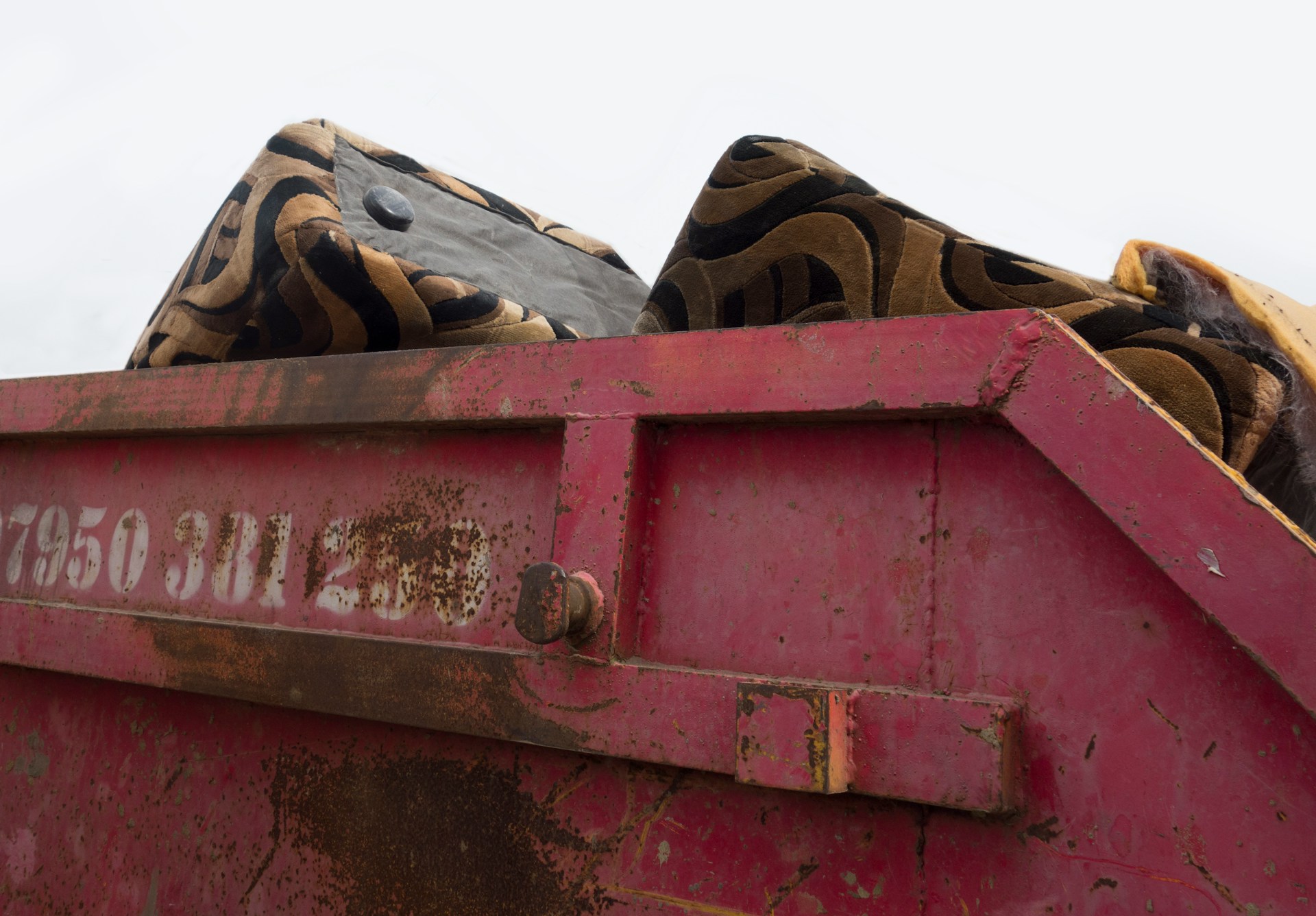
Most remodeling projects start with plans that feel pretty manageable. But once things get going, especially after demolition, it’s easy to get surprised by how fast the waste builds up. One load turns into five, and before anyone notices, the waste removal dumpster is overflowing.
We see it happen all the time in places like Leitchfield, especially on older homes where unexpected problems come up. Walls get pulled down, floors get yanked up, and suddenly you’re dealing with three times more debris than you thought you’d have. It’s not just a matter of space; it slows down the whole job. That’s why it helps to think through what really fills up a dumpster and how to stay ahead of it as work continues.
When Demolition Goes Further Than Planned
It’s one thing to knock out what’s on the blueprint. But once demolition starts, a lot of smaller choices end up adding big amounts of scrap. Removing an extra wall or lifting part of the ceiling can create more trash than expected. These changes usually seem minor at first, but they add volume quick.
In older homes around Leitchfield, we often see projects grow after crews uncover surprise plumbing or structural issues. That usually means ripping out extra framing, insulation, old pipes, and sometimes large sections of flooring or drywall. Those materials don’t flatten out well either. Once broken up, tile and drywall take up a lot of room and pile fast. Same with wood planks and cabinets. Even if they weren’t part of the original demo plan, they still need to be hauled out.
Multiple Contractors or Crews Using the Same Space
A lot of jobs involve more than one team working the site. Maybe the flooring crew is in on Monday, then a plumber shows up the next day, followed by cabinet installers on Wednesday. If everybody tosses their extras in the same waste removal dumpster, it’s going to fill up faster than anyone expects.
Without clear communication or scheduling, crews overlap, and so does their trash. Each team thinks there’s enough room left, but things pile up fast. Having a layout that allows for more than one drop point or getting a larger container helps keep materials from backing up. It also prevents delays between shifts when one crew has to stop and deal with mess from the last guys.
Renovation Delays That Create Material Backups
Spring jobs in Leitchfield often hit bumps due to weather or waiting on shipments. Wet weather can shut down outdoor work, which means materials sit longer than planned. As that happens, so does the trash. Instead of steady cleanup, debris stacks up in corners or along walkways waiting for the rain to pass.
We also run into situations where rain ruins part of the staging area. If drywall or flooring gets soaked, it usually can’t be used anymore. That wasted material still has to be removed, adding more to the job site than anyone counted on. Delays in inspections or crews running late only make it harder to keep waste moving out as new materials come in.
Items Left Off the Original Waste Plan
Even with a good overall plan, it’s easy to forget about the smaller stuff that ends up adding weight and volume. Things like torn-out carpet padding, insulation, old packaging, or rolls of underlayment don’t seem big at first. But they take up a good chunk of room once they’re loose and stacked.
Bigger items like toilets, sinks, cabinets, or appliances often get missed during the original walkthrough too. They aren’t always removed on day one, so it’s easy to overlook them until they’re sitting in the middle of the room waiting to go. These pieces won’t fit into regular bins and take up a big section of the dumpster once they’re loaded in. Having those factors in mind ahead of time can make the difference between smooth cleanup and an overloaded site.
Staying Ahead of Waste While Work Continues
One thing we always suggest during remodels is checking the dumpster level often as work goes on. Don’t wait until it’s filled to the top. Regular walk-throughs help figure out if a second dumpster might be needed or if the pickup schedule needs to speed up.
Room gets used up faster when big materials like boxes or furniture pieces are just tossed in. Instead, labeling zones for different types of waste can help slow how fast the container fills.
- Stack wood together.
- Break down cardboard.
- Keep large furniture or metal off to one side.
These simple steps buy more space and make hauling smoother.
The big win is always choosing the right container size before the project kicks off. It might feel like too much space at first, but it rarely stays that way for long. Having extra room helps everyone focus on the job, not trying to rearrange trash to make it fit.
Local Waste Solutions offers 10, 20, 30, and 40 yard roll-off dumpsters in Leitchfield and Grayson County, with flexible scheduling and quick delivery to match remodel timelines of any size.
A Smoother Remodel Starts With the Right Waste Plan
Most remodeling jobs grow in ways people don’t expect. A quick ceiling repair turns into a full redo. A one-room revamp leads to a domino effect through the hall. That means the waste plan needs to be flexible from the start.
Paying attention to how much waste is coming out and how fast it builds keeps your site moving. If we plan dumpster size and timing around what’s actually happening on the ground, it keeps things cleaner, safer, and easier for every crew on the job. That lets everyone stay focused on building, not cleanup.
Remodeling in Leitchfield can generate more debris than expected, but Local Waste Solutions is here to keep your project running smoothly. Choosing the right container size and staying prepared for extra waste helps you avoid unwanted delays. We offer flexible solutions for every job site so you can focus on the work and not worry about trash overflow. When you’re ready to stay ahead with the right setup, explore our waste removal dumpster options. Contact us today and let’s get your cleanup plan rolling.