

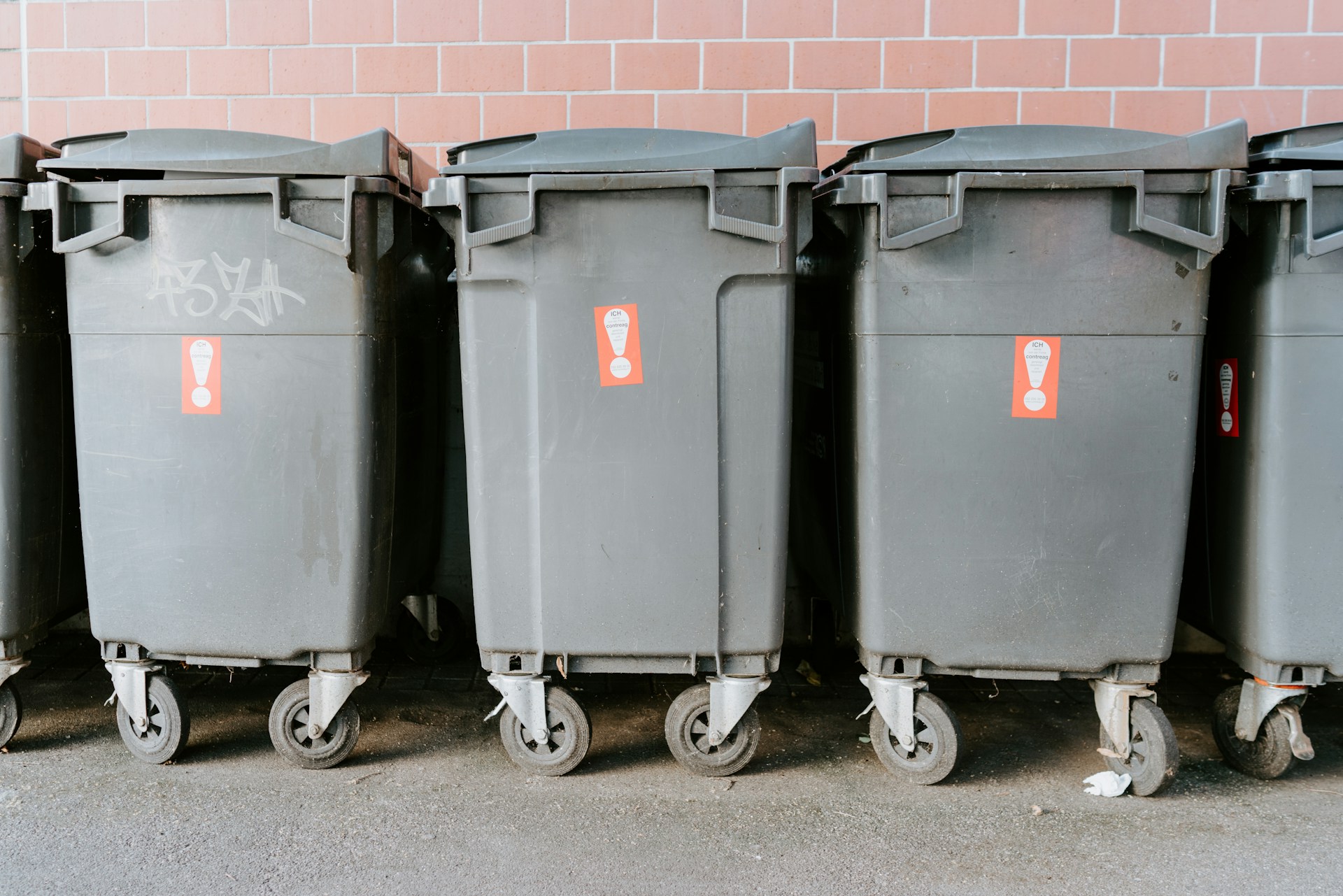
Keeping a job site clean and organized isn’t just about looks. Waste has a way of piling up fast, and when it does, it can slow down progress, create safety hazards, and add more stress to an already tight schedule. Whether you’re running a short-term remodel or managing a large-scale build, staying on top of debris and scrap materials matters. A cleaner site means workers move easier, tools stay in place, and problems get spotted before they turn into delays.
A strong waste management plan brings real results. You can sidestep last-minute dumpster overflows, avoid injuries from scattered debris, and cut extra cleanup hours off your timeline. When job sites in Owensboro get messier than they need to be, productivity takes a hit. By thinking through how to manage your debris early and with the right system in place, you give your team the structure it needs to stay on track.
Identifying Common Waste Types
Knowing what kinds of waste show up on your site is the first step in dealing with it. Different jobs will create different piles, but many materials show up over and over again. Recognizing what you’re tossing out most helps you plan for the kind of dumpster you need, how often it should be emptied, and where the pile-up might get out of hand.
Here are some of the most common types of debris found on construction job sites:
– Wood scraps and cutoffs from framing, fencing, and trim work
– Concrete chunks, bricks, and masonry from demolitions or pours
– Drywall pieces and gypsum dust, especially from remodeling interiors
– Insulation, both new and removed from existing buildings
– Roofing shingles and tar paper from roof repairs or teardowns
– Plastic wrapping, packaging, and leftover piping or siding
– Scrap metal, including nails, brackets, and fixtures
– Cardboard from material deliveries
Each of these materials can create different challenges. Wet drywall easily gets heavy and soggy. Dust from insulation or wood often spreads through the job site if not contained. Large chunks of masonry take up more bin space and may create tripping hazards if not removed quickly.
For example, one Owensboro contractor working on a property during the fall season shared that their team underestimated how much wood waste came from framing. Their first dumpster filled halfway through the week, slowing things down while they waited for a swap-out. The second time around, they sized up the container and adjusted their drop spot to keep their path clear and their flow uninterrupted.
Getting familiar with your site’s common waste types helps you prepare early and avoids disruptions later. It also makes it easier to organize what goes where, especially if you’re trying to separate recyclables or reusable materials.
Choosing The Right Dumpster
Once you know what kind of materials your job is producing, it’s time to figure out what dumpster matches your pace and needs. Picking the wrong size can leave you swapping bins too often or, worse, stuck with overflow you can’t get rid of easily. Choosing the right kind matters even more in a place like Owensboro, where late November weather can swing from dry and mild to wet and muddy.
Here are a few tips to help you choose the dumpster that fits your job site:
1. Look at your project’s scope
A basic remodel may only need a smaller roll-off bin, while a full demo of an older structure might require one of the larger sizes to handle heavy concrete and wood debris.
2. Consider volume and weight
Are you tossing mostly insulation and cardboard, or are you dealing with bricks and compacted dirt? Heavier materials fill bins faster, so plan ahead based on weight limits too.
3. Think about weather conditions
Open-top dumpsters may gather rain and snow if left out too long. For late November jobs in Owensboro, covering your bins between loads can help keep contents dry and easier to move. Some containers come with options for lids or tarp tie-downs.
4. Ask yourself how often you’re truly loading
Smaller crews or slower-paced projects might not load daily, so keeping a large dumpster sitting around isn’t always needed. On bigger crews, holding off on a big enough bin might mean wasting time making room.
5. Mind your space
Not all job sites have room for the biggest dumpsters. Always measure the space where the container will go before finalizing the size.
Getting the right dumpster at the right time sets your job site up for smoother workdays. It reduces the number of interruptions, helps control clutter, and keeps your timeline steady as the project moves forward.
Efficient Dumpster Placement on Site
Positioning your dumpster right is just as key as picking the right size. A well-placed bin makes it easier for your team to toss debris without dodging obstacles. Before setting up, find a spot where the dumpster won’t block major work areas or become a hazard.
Consider these tips when choosing a location:
– Accessibility: Ensure the dumpster is easy to reach. This means placing it where workers don’t have to carry heavy materials long distances. It also means keeping it in a spot where vehicles can reach it for effortless loading and unloading.
– Ground Stability: Look for a flat area to avoid it tipping over once filled. Uneven ground could cause it to shift, especially if it rains or snows.
– Weather Conditions: Remember Owensboro weather can be unpredictable. In late November, make sure the spot you pick won’t accumulate water or create mud. Avoid low-lying areas that might turn into a puddle.
– Clear Pathways: Ensure there’s a direct path to the dumpster. This minimizes the risk of accidents when team members maneuver loads through the site. Guard against stacking materials that block access or make it tough to use the dumpster effectively.
If you’re upgrading a building, one contractor shared they initially put their dumpster too close to an entryway, unintentionally creating a trip hazard for workers coming and going. After moving it to an open area that didn’t interfere with work paths, things ran a lot smoother.
Loading and Safety Tips
Once the dumpster’s in place, making the most of its space and staying safe is the goal. Proper loading helps squeeze the most out of each haul, saving both time and money on frequent pickups.
Here’s how to load smart:
– Spread the Load Evenly: Fill the container evenly to keep it from becoming lopsided and keep space available. Start with heavier items at the bottom and top off with lighter debris.
– Break Down Materials: Cut down large items, like drywall sheets or long boards, so they fit better and take up less room.
– Pace Yourself: Encourage teams to load slowly and carefully. Rushing can lead to serious accidents, so taking the time to do it right prevents injuries.
– Protective Gear: Ensure everyone handling waste wears gloves, sturdy boots, and helmets. Safety gear is non-negotiable when working around bulky, potentially harmful debris.
– Stay Within Weight Limits: Dumpsters have weight limits, and exceeding them complicates disposal and risks damage to the bin. Keep heavy materials like masonry or dirt separate if needed, to stay under the cap.
Helping Your Job Site Run Smoother from Start to Finish
Improving waste management isn’t just about keeping the physical site tidy. It’s also about creating an environment where work can happen efficiently without losing time to mess-related slowdowns. Clear pathways and smart dumpster placements reduce stress and disruptions, boosting morale.
By understanding waste types, smart placement strategies, and proper loading techniques, you’ll keep job sites in Owensboro running at full tilt. Proper planning lets your crew focus on the quality of work, knowing that materials have a proper exit strategy. Whether it’s a small remodel or a major construction project, seamless waste management impacts success. Keeping the process flowing helps everyone concentrate on getting the job done right.
To keep your project on track with efficient waste management, explore how a job site dumpster rental in Owensboro can support the flow of your construction timeline. Local Waste Solutions delivers reliable service and the right dumpster setup to help you manage debris without slowing progress on the job site.