
Waste containers are one of those things you don’t think twice about until they don’t work the way you need them to. Whether you’re cleaning out a garage, tackling a home remodel, or handling commercial debris, a poorly placed or overflowing container can get frustrating fast. Overflow can slow down your project, block access, or even create safety risks. And in places like Leitchfield, where urban and rural setups both exist, these problems show up differently depending on the setting.
Getting waste collection just right helps keep things moving without interruption. Most container problems happen for a few simple reasons: the wrong size, bad placement, or unclear timelines. Learning how to spot these issues and fix them early makes your cleanup or project run smoother. Below, we’ll go through the most common container problems and how to deal with them before they cause bigger setbacks.
Overflow and Overloading Issues
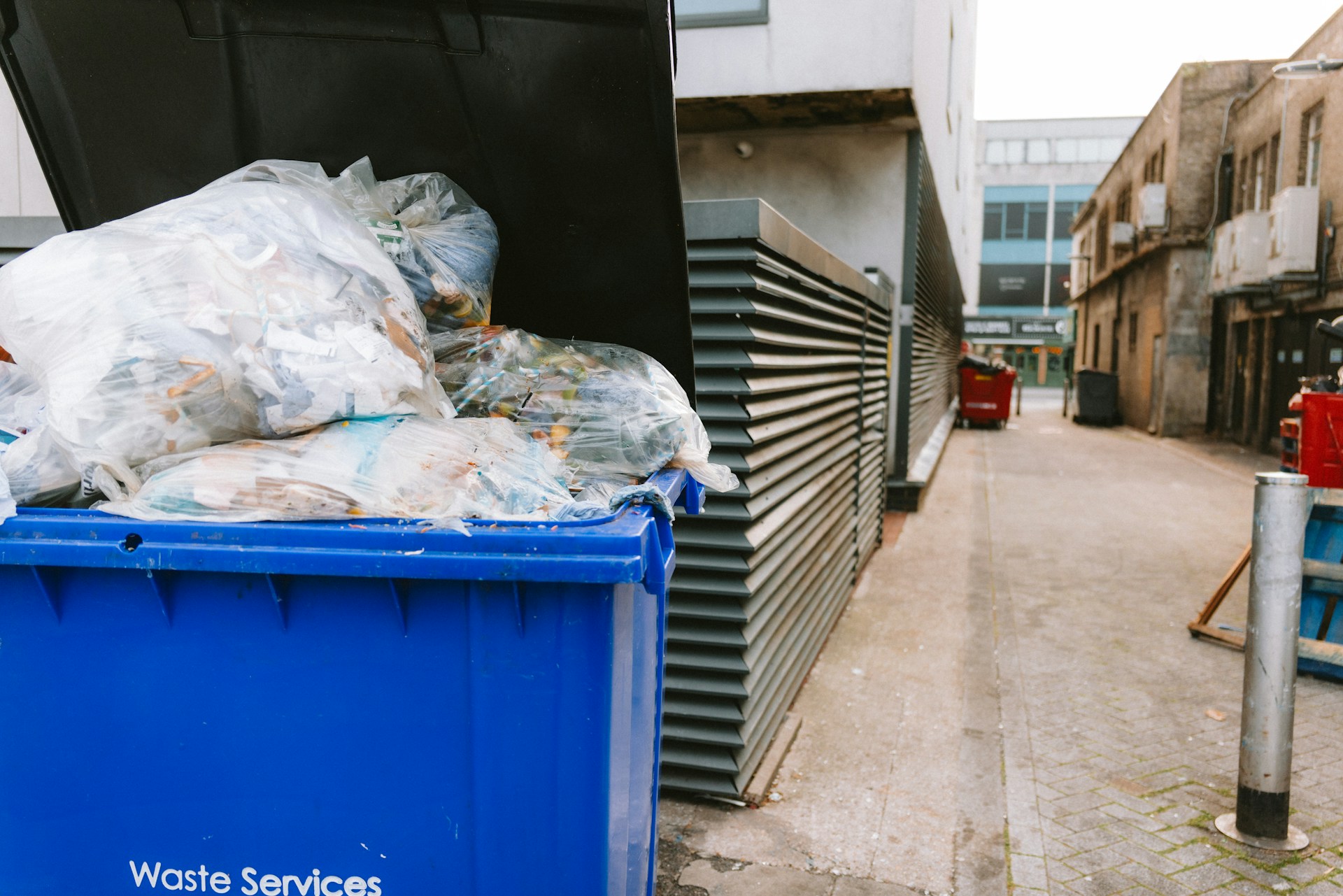
One of the most common waste container problems is overloading. It’s not always easy to estimate how much you’re going to toss out, especially if this is your first time dealing with a big project. But if the container ends up packed to the brim or spilling over, it often leads to delays, extra fees, or even safety concerns for people working around it.
There are a few common reasons why a container might overflow too quickly:
– Underestimating how much debris the job will produce
– Choosing the wrong container size
– Large, bulky items taking up too much space
– Gaps between scheduled pickups that are too wide
Once the container is full, you’re stuck until the next pickup. That’s why it’s smart to plan ahead. When in doubt, go one size bigger with your dumpster. It’s better to have a little extra room than to be left with nowhere to toss your waste.
To help avoid overloading, keep these ideas front of mind:
1. Break down furniture and boxes before tossing them in.
2. Never fill above the max line, even for just one extra item.
3. Load heavier materials like shingles or bricks on the bottom.
4. Base your pickup schedule on how fast the dumpster fills up rather than picking a random date.
5. Watch how fast it fills during the first couple of days to get ahead of the curve.
Think about a roof job in Leitchfield. The first few bundles of shingles go in, and you’re already halfway full. Before long, the rest of the scraps are piling up on the ground. By checking in early and adjusting your container size or pickup frequency, you avoid that pileup and keep the job moving.
Improper Waste Sorting
Throwing different types of waste into the same container might seem easy, but it can make things harder down the road. Mixing scrap wood, drywall, yard clippings, and old furniture can cause headaches during disposal. The result could be fines, delays, or trouble staying ahead of local rules.
Sorting doesn’t have to be a huge chore. Taking a bit of time before and during your project to set up the right system can make a big difference. Think about what kinds of waste your team will produce and use the right bins from the start.
Here are a few simple sorting tips to keep your site under control:
– Use clearly labeled containers for recyclables, yard waste, or heavy items
– Keep track of stuff that should never go in the dumpster, like paint, oil, or electronics
– Set containers nearby so workers don’t take shortcuts
– Make sure the whole team knows the sorting plan, especially if more than one container is in use
– Keep sharp or dangerous objects away from general waste
Sorting your waste helps you avoid surprise fees and keeps the work area safer and easier to navigate. When everything has a place, pickups go faster, and your provider doesn’t need to sort anything later. It also helps your project avoid snags caused by improper disposal methods.
Difficult Container Placement
Picking the right spot to place a waste container can be harder than it seems. If you’re working with cramped driveways, sloped yards, or limited entryways, you’ll need a solid plan. A container dropped in the wrong place can block traffic, cause delays in pickups, or even damage the property.
For Leitchfield residents and businesses, finding the right placement will vary depending on the layout. Urban streets offer less space. Rural jobs have to deal with slopes, soft ground, or tree lines. Both areas have their challenges.
Use these ideas to help plan a better spot for your waste container:
– Choose a flat surface so it doesn’t tip or shift
– Don’t place it on soft soil or grass that might sink when it rains
– Keep it away from doorways, driveways, sidewalks, and traffic routes
– Make sure there aren’t low-hanging branches or wires overhead
– In rural areas, make sure the location won’t cause harm to nearby plants or animals
Proper placement keeps things easy for workers walking to the container and for the truck driver picking it up. If you think it might be tight or tricky, talk it through with the provider before delivery so there are no surprises.
Scheduling and Pickup Problems
One thing that slows down projects more than anything else is poor scheduling. You may have the right dumpster and the best spot picked out, but if pickups don’t happen when they need to, the entire job can get thrown off.
Unexpected waste buildup isn’t just an inconvenience. In some cases, it can stop your work completely. Staying on top of the schedule helps make sure you’re not stuck waiting around.
It helps to start with an estimate of how much waste you’ll generate. Once you have that, think about how often the container will need to be emptied. Build your plan around those projections but stay flexible in case things change.
Here’s how you can stay on track:
1. Talk with your provider ahead of time about the expected waste load
2. Set an initial pickup schedule, even if it’s just a starting point
3. Watch waste levels, especially during the first few days
4. Stay in contact with your provider if you’re seeing changes in volume
5. Use calendar alerts to remind you when pickups are coming
Working with a local provider familiar with Leitchfield can shorten response times if you need to make last-minute adjustments. That relationship can be the difference between a smooth operation and a stalled job.
Better Planning Means Better Results
When you plan ahead, it’s easier to tackle the big and small challenges that show up during any cleanup or construction job. Overflowing dumpsters, sorting mistakes, bad placement, and missed pickups cost you more than just time. But you can avoid most of those problems by being clear about your needs from the beginning.
Think of it as part of the game plan for a successful project. With a local partner who knows the ins and outs of Leitchfield, those planning steps become even smoother. Whether you’re working in a tight city lot or wide open property, having the right strategy makes your waste handling easier.
A reliable layout, the correct container size, clear sorting methods, and dependable scheduling mean less stress for everyone involved. It keeps your team focused and your timeline intact. Getting it right early on almost always leads to better results in the end.
For a seamless waste management experience in Leitchfield, consider streamlining your cleanup process from the start. Whether you’re clearing out a residential property or coordinating a commercial renovation, having the right tools in place matters. Explore how a reliable waste removal dumpster from Local Waste Solutions can keep your project on track and running smoothly from day one.