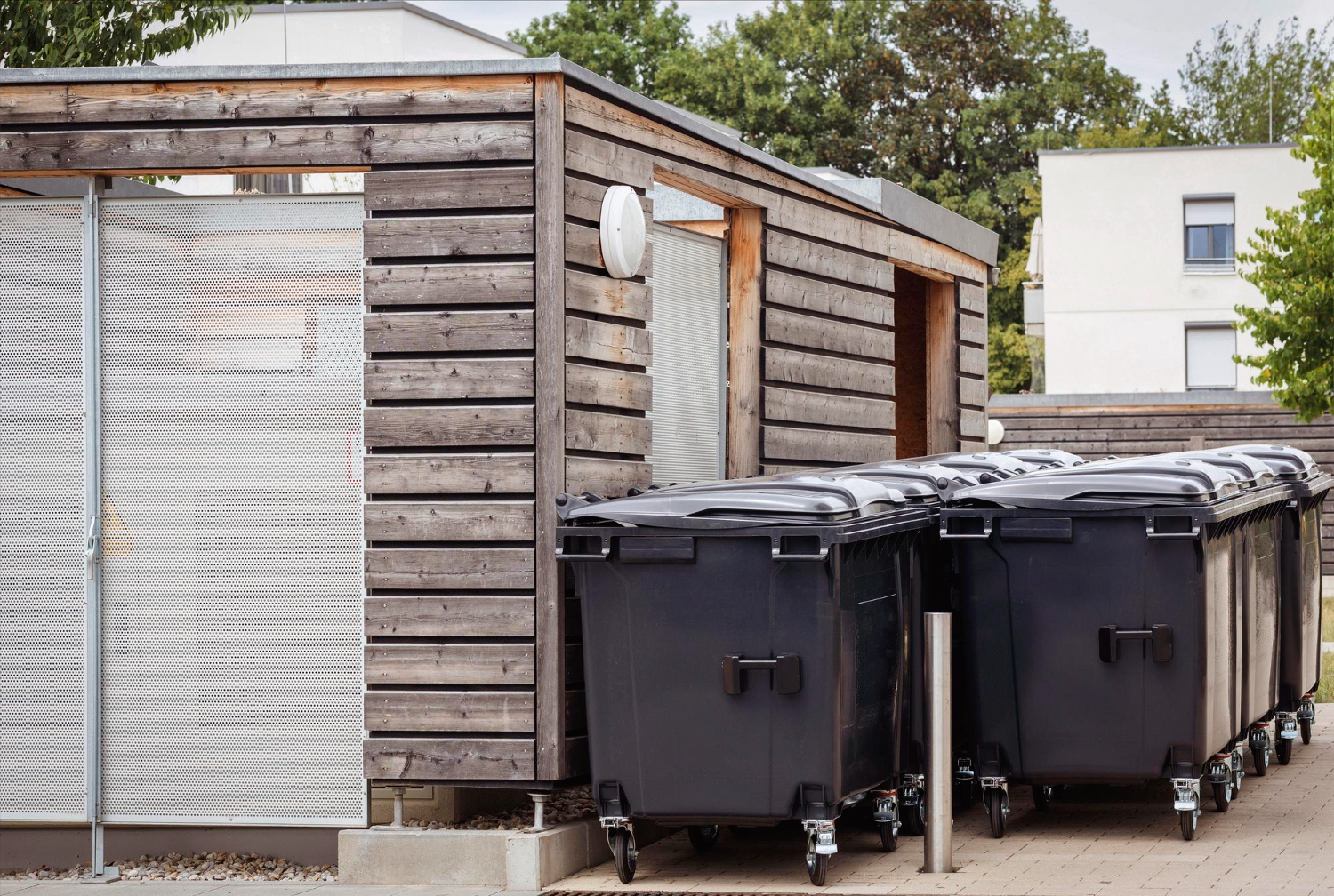
When it comes to keeping a commercial property clean and running smoothly, where you place your dumpster is more important than most people think. A poorly located dumpster can block traffic, create unpleasant smells near customer entryways, or slow down your crew’s workflow. Even worse, it can lead to missed pickups if waste collection trucks can’t get to it easily. All of this builds up to lower efficiency and more frustration.
Every business site in Owensboro is different. Whether it’s a small restaurant downtown or a commercial warehouse on the edge of town, each has its own layout, waste stream, and space limits. That means solving dumpster location problems isn’t about one-size-fits-all rules. You’ll need to look at your setup, think practically, and make a plan that supports your everyday work instead of getting in its way.
Understanding Your Site Layout
Before choosing a new dumpster spot or adjusting your current setup, take a walk around your property and look at things from a fresh angle. A lot of issues with dumpster placement come from working around convenience instead of planning for the long haul. The first step is figuring out where your limitations are and how to work with them.
Start by identifying areas that already get a lot of foot traffic. Placing a dumpster too close to these spots can lead to clutter, safety hazards, or bad smells near doorways and loading docks. The goal is to keep waste collection from interfering with business as usual.
Also, consider how your waste hauler will access the dumpster. If the container sits in a tight corner or behind parked cars, the truck may have trouble completing a pickup. Repeat problems like this often lead to overflow and delays that affect more than just your trash area. To make placement decisions easier, ask yourself things like:
– Is the dumpster easy to reach from the main work or prep areas?
– Does it sit on level ground, away from slopes or drains?
– Can a waste pickup truck reach it without moving other objects?
– Is the path to the dumpster safe for your team to walk and use?
One business in Owensboro running a multi-unit commercial property decided to place their shared dumpster behind the building in a gravel pit. It sounded ideal at first since it was out of sight from the road. But after a few good rains, the area flooded, trucks struggled to access it, and tenants had to walk through mud just to take out trash. A simple shift to a paved side lot closer to the driveway and grading the surface saved time and headaches.
Laying out your space with garbage flow in mind, just like foot or vehicle traffic, keeps your setup clean and your team focused.
Choosing The Right Dumpster Size And Type
Once you know your best possible location, make sure your dumpster setup fits your actual usage. Too many businesses stick with a dumpster size that’s either way too small or bulky beyond what’s needed. This mismatch can lead to overflow or wasted space, both of which cause problems down the line.
Here’s how to make a better choice:
1. Look at how much waste your business produces in an average week.
2. Track what type of materials go into the dumpster: cardboard, food waste, plastics, packaging, or something else.
3. Decide whether a front-load or roll-off container fits your space better.
4. If you recycle, consider using separate bins to make sorting easier.
For places dealing with dense materials, like a retail remodel or manufacturing site, a low-profile roll-off might be the better option even if pickups are more frequent. On the other hand, a daily service restaurant might benefit from smaller bins paired with increased pickup rates.
Dumpster size also affects where you can place the unit. A large container might take up several parking spaces or block visibility near busy exits. A smaller one needs to be placed closer to waste sources to stay efficient.
Understanding your weekly waste volume and checking how full the dumpster gets before every pickup helps avoid overflow surprises. It’s a lot easier to stay ahead of things when you don’t have to scramble for space before the weekend rush or large deliveries arrive.
Strategic Dumpster Placement Tips
Once you’ve chosen the right dumpster size and type, finding the best spot for it makes a big difference. It’s not just about sticking it behind the building and forgetting about it. You need a location that works both for your day-to-day team and for trash pickups.
Start with convenience. Position dumpsters near spots where most of your waste is made. For example, if you’re running a restaurant, it helps to place the dumpster near the food prep area. That cuts down the chances of spills during long trips and keeps things efficient. If your business involves a lot of packing and shipping, putting the dumpster near the receiving dock might save labor time.
Always place your containers on level ground to avoid tipping or uneven wear. Areas that slope, flood, or get muddy create a whole new set of problems. Level pavement or gravel that drains well will make things easier and safer.
Access paths are just as important. A waste truck needs enough room to drive up, lift the dumpster, and safely pull away. If they have to navigate behind a fence or around parked cars, those delays can lead to missed pickups. That’s when overflow and complaints usually start rolling in. Clean, obstacle-free access is key. As the seasons change, double-check that rising snow piles or fast-growing brush haven’t created new challenges.
Scheduling Regular Pickups
Finding a good schedule for your waste pickups is the next step. Even a perfectly placed and sized dumpster won’t do its job if it overflows by midweek. The right schedule helps your business stay looking sharp and avoids wasted staff time dealing with messes.
Pay attention to your busy times. Is there a big rush on weekends? Do you get a surge in customers during holidays or events? A boutique might have steady waste loads most of the year but need more pickups during festivals. A production facility may require daily pickups to keep pace with manufacturing demands.
Here’s how to fine-tune your pickup schedule:
– Use your current fill levels to guide frequency.
– Set extra pickups during peak seasons or special events.
– Stay in contact with your waste team to adjust as your needs shift.
The goal is to stay ahead of waste buildup without overpaying for pickups that aren’t needed. A little attention and coordination go a long way in making your system work smoothly.
Keeping Your Business Site Tidy
A clean waste area leaves a great impression on customers and keeps things safe for your workers. It all starts with keeping that space clear and controlled.
Train your team to use dumpsters the right way. Make sure trash bags go inside the container, not beside it. Enforce recycling rules if you have bins for different kinds of waste. Put up signs if needed and check in with your crew regularly to make sure everyone follows the routine.
Walk the site a few times a week to see how things look. Is trash blowing out of the bins? Are there bags stacking up outside the container? A little attention now prevents bigger problems later, like pests, odors, or complaints from neighbors. And when the waste area looks neat, the whole business feels more put-together.
Make Dumpster Planning Work for Your Business
Smarter waste management starts with something as simple as where you put the dumpster. Once you’ve figured that out, it’s easier to match size and schedule, and build a system that doesn’t just manage trash but supports your whole business.
You don’t need a complicated plan. Just a space that works, a good routine, and someone you can count on to keep things moving. Thoughtful placement and regular service mean fewer interruptions and a cleaner, more organized site.
Taking the time to reevaluate where your dumpsters are sitting and how they’re being used can save you money and stress in the long run. Owensboro businesses can benefit from a setup that works with their layout and waste flow instead of against it. A little planning now helps keep your team efficient and your customers happy.
To keep your Owensboro business operating smoothly while maintaining a tidy environment, align your waste management strategy with your operational needs. By focusing on strategic placement and regular pickups, your waste solution will be more efficient. For a personalized approach to managing your refuse, explore our services at Local Waste Solutions. Learn more about how our tailored commercial dumpster service can meet your specific business requirements.