Running a business in Daviess County comes with its own set of responsibilities, and managing waste shouldn’t be something that slows things down. Whether it’s a shop, warehouse, or office setting, a cluttered back area or recurring trash overflow can mess with your daily flow and take up more time than it should. That’s why having a smarter waste system in place makes a real difference for how things operate behind the scenes.
An efficient commercial waste setup isn’t just about taking out the trash. It’s about setting up a process that works with your schedule, meets your business needs, and cuts down on headaches. When things like pickup delays or mixed debris piles start stacking up, they can lead to bigger problems fast. The good news: with the right approach, you can streamline waste handling and keep your business running smoothly year-round.
Assessing Waste Generation
One of the first steps to creating a smoother waste system is figuring out exactly what types of waste your business produces and how much of it shows up every week. Not all waste is the same, and throwing everything into one container without tracking it can lead to overspending, lost recycling options, or extra pickups that aren’t needed.
Start by watching what goes in the bins each day. In Daviess County, a downtown café with heavy foot traffic might generate lots of take-out packaging, while a fabrication shop on the outskirts may deal with bulkier waste like scrap metal and pallets. Both need different handling plans.
Here’s a quick approach to evaluate your waste output:
– Group materials by type: paper, cardboard, organics, plastics, metals, or hazardous items
– Log overflow days: keep a record when bins fill up earlier than expected
– Note any common patterns: does more trash appear at the beginning or end of the week? Are there high-volume times tied to sales or production cycles?
– Ask staff for input: they often spot trends that management might not
This kind of simple waste check can lead to smarter choices later on. Whether it’s cutting down on unnecessary pickups or recognizing when it’s time to add an extra bin during your peak months, understanding your waste generation helps prevent backup and extra charges down the road.
Choosing The Right Containers
After you have a clearer idea of your waste patterns, the next step is making sure you’ve got the right containers in place. This part may seem minor, but using the wrong one, either too big, too small, or not right for your material, can cause all sorts of problems.
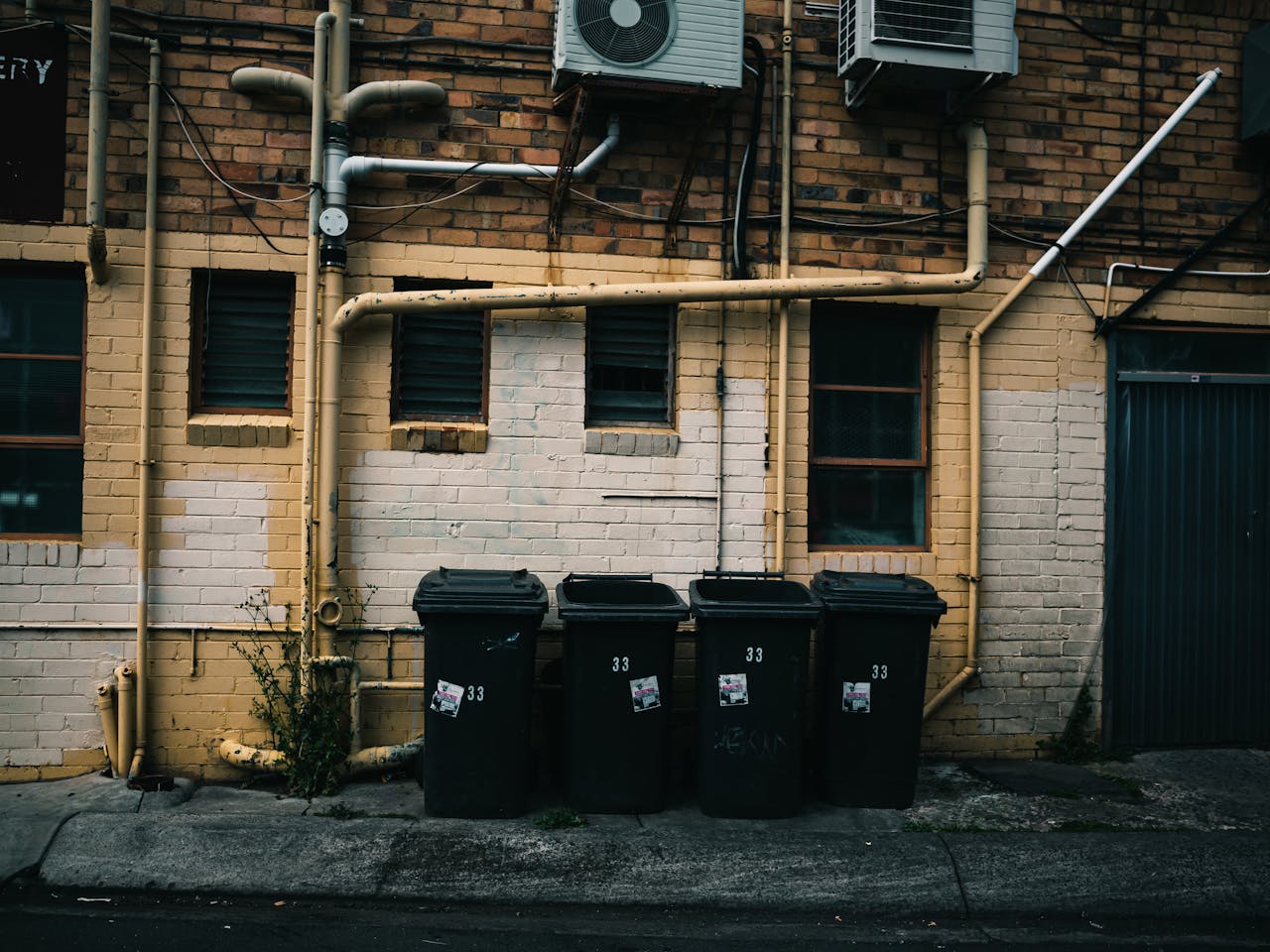
Small containers that fill up fast often lead to overflow, which can become a safety problem or attract unwanted attention. Oversized containers, on the other hand, might go half-full on every pickup, inflating your budget with underused space. Then there’s the matter of what container fits the space you’ve got available. If it’s too wide or placed in the wrong spot, trucks might have trouble reaching it, or workers may stop bothering with it altogether.
To get the most out of your containers:
– Match the size to your average weekly volume, leaving some buffer for busy periods
– Choose containers suited to the material, durable for heavy industrial scraps, enclosed for lightweight recyclables
– Place bins where they’re easy to reach for both your staff and the pickup crew
– Avoid placing them near walkways or loading zones to prevent disruptions or accidents
For instance, a convenience store in Daviess County switched their container from behind the building to a cleared section of their lot near the delivery entrance. It cut staff downtime and helped pickups go faster. A small change, but one that led to better workflow and fewer complaints.
Starting with the right setup makes everything after that feel simpler. There’s less scrambling on pickup day, fewer messes to clean, and fewer questions about why the trash is always full. It’s all part of building a system that works for your space, not against it.
Implementing A Recycling Program
Recycling is more than just a responsible choice. It’s a smart business move. Setting up a recycling program in your Daviess County commercial establishment can help reduce waste and potentially save on costs linked to waste disposal. The key is to start with a plan that matches your business needs, considering what materials are most commonly used and discarded in your day-to-day operations.
Follow these simple steps to kick off your recycling initiative:
– Identify recyclable materials: look for common items like paper, cardboard, plastics, glass, and metals that can be recycled
– Designate bins for recycling: place recycling bins in high-traffic areas where recyclable waste is typically generated
– Educate your team: make sure everyone understands what can and cannot be recycled, possibly through quick training or simple signages
– Monitor and adjust: regularly check the recycling bins to ensure proper use and make adjustments if certain materials are being misplaced
Recycling can cut down on regular waste pickup needs and show your clients and customers that your business is committed to sustainability. One example could be a local café deciding to recycle its paper and cardboard packaging, significantly reducing waste output.
Scheduling Regular Pickups
Timing is everything when it comes to waste collection. Planning your pickups in line with your business operations helps avoid overfull containers that can become unsightly or even hazardous. Plus, it ensures that waste doesn’t pile up unexpectedly, keeping your space orderly and safe.
Here’s how businesses in Daviess County can make the most of scheduled pickups:
– Assess peak times: identify periods when waste tends to accumulate the most, like post-weekend surplus for retail spots
– Coordinate with providers: work out a pickup schedule that fits your business hours and operations
– Stay flexible: be ready to adjust schedules during special events, promotions, or seasonal changes, ensuring waste never catches you by surprise
Having the right pickup plan in place prevents business disruptions and keeps operations flowing smoothly. By being proactive and aligned with your provider’s schedule, you ensure that waste management doesn’t take an unnecessary toll on efficiency.
Partnering With A Local Expert
Aligning with a waste management expert can really lighten the load. A local partner who knows the ins and outs of Daviess County is invaluable in crafting a system that works for you. These professionals offer insights on compliance, best practices, and fresh strategies tailored for your specific environment, saving time and resources.
They can spot inefficiencies you might overlook, suggest container swaps that match your flow of waste better, or simplify your schedule so you’re never dealing with unexpected overflows again. Local Waste Solutions understands how businesses in Daviess County operate and can build a system that blends right into your routine.
Breathe New Life into Your Waste System
Incorporating thoughtful waste management practices into your business plan is a smart way to boost day-to-day operations. By understanding the flow of waste, choosing the best containers, and setting up meaningful recycling and pickup schedules, you reduce headaches and free up resources to focus on what really matters, running your business.
Taking on one step at a time, you’ll eventually find that enhancing your waste system improves not only how your space functions but also how your business is perceived. Making informed decisions now sets the groundwork for long-term success and a safer, cleaner work environment.
By taking the right steps toward smarter operations, businesses can improve efficiency, reduce waste buildup, and show a real commitment to sustainability. If you’re looking for a better system for commercial waste management in Daviess County, Local Waste Solutions is here to help make everything easier and more effective.