

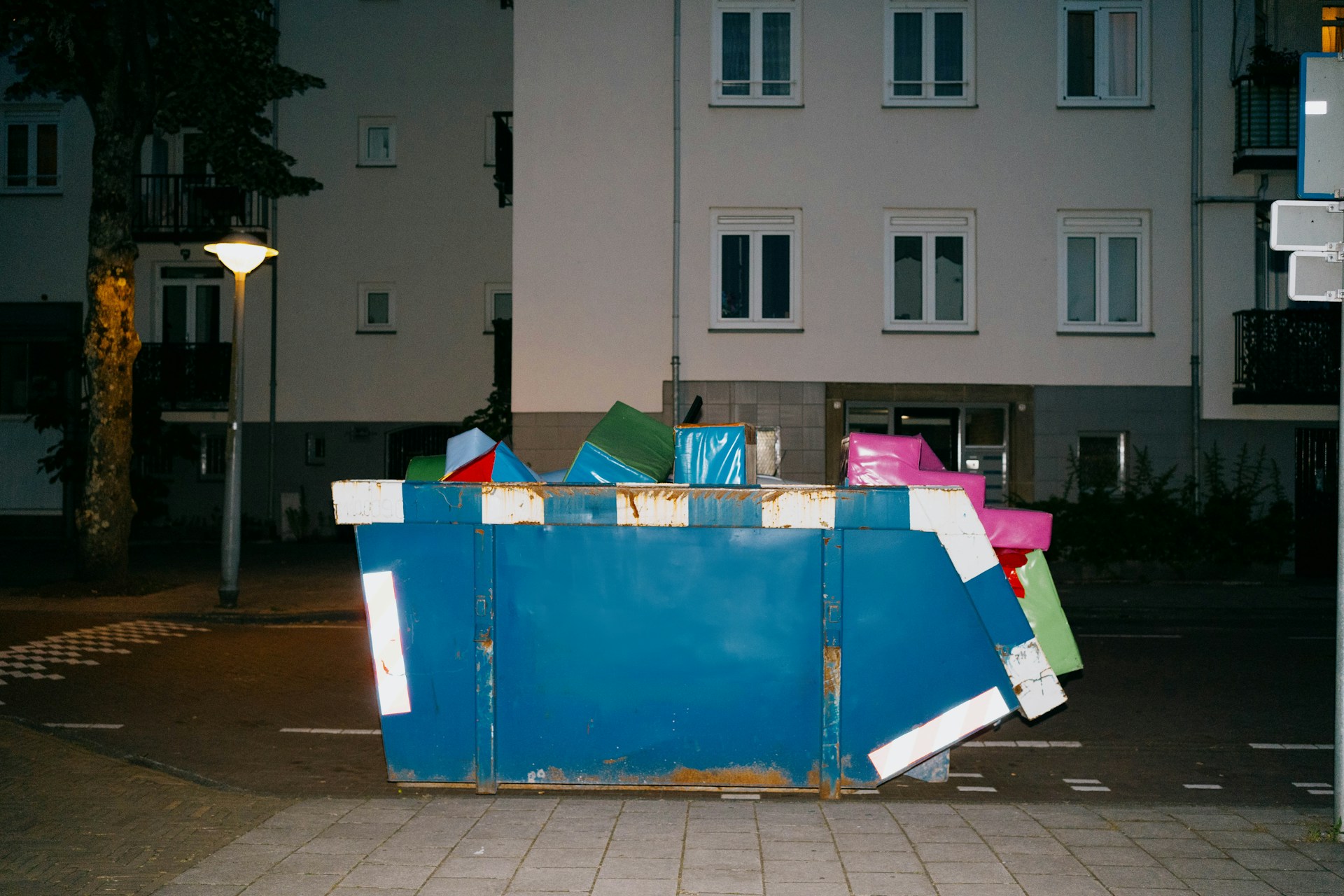
It doesn’t take much for a roll-off container to get heavy fast. One minute you’re tossing in kitchen demo debris or loading leftover roofing, and before you know it, that container isn’t moving. You’re stuck wondering what to do now that it’s too full or too heavy to haul safely. This kind of problem can create big delays, especially if your project in Madisonville is already on a tight timeline or needs final clean-up to stay on track.
Heavy containers don’t just cause schedule problems. They can also lead to damage on your property, extra charges, or delays in pickup. Knowing how to handle the situation before it becomes more involved can help keep your project on time and within budget. If you’re wondering what your next step should be, or how to avoid it from happening again, you’re not alone. With a few clear actions, you can get things moving again and stay in control of your project.
Signs Your Roll-Off Container Is Overweight
Just because a dumpster looks like it has room doesn’t mean it’s under the weight limit. Most people think if there’s space, it’s safe to keep loading. But many materials get heavy fast, and weight limits can be reached much earlier than it seems.
Here are some telltale signs your container may be over the limit:
– The container can’t be lifted or moved when the truck arrives.
– The truck operator refuses to haul it due to safety restrictions.
– You notice bending or warping in the container walls or floor.
– The area underneath the dumpster appears sunken or damaged.
– You’ve thrown in dense or wet items like concrete, wet leaves, or roofing.
When a container goes overweight, it increases the risk of property damage and extra costs. If it can’t be safely hauled away, you may need to unload materials, request a second bin, or face overweight fees that cut into your project budget. This can be especially frustrating during projects with tight deadlines in Madisonville.
Mistakes like these can happen in the middle of any job. The weight of tiles, drywall, or broken concrete adds up before you even realize it. If the dumpster appears to be sitting lower than normal or makes creaking sounds when you walk near it, those are clear warning signs that something needs attention.
Steps To Take When Your Container Is Too Heavy
If you’re dealing with a container that won’t budge, you still have options. It may feel frustrating, but you can fix this without pulling everything out or stopping work altogether.
Here’s what you can do:
1. Stop Adding More – The first step is to stop filling it. Don’t add another item until you sort out the problem.
2. Figure Out What’s Causing the Weight – Think about what’s gone inside. If it’s heavy bricks, wet yard debris, or cement chunks, those are likely the issue.
3. Remove Heavy Items From the Top – If it’s safe to do so, pull the densest items off the top layer. Just removing a few of them can make a surprising difference in total weight.
4. Separate Materials With Another Dumpster or Trailer – If you have access to another container, transfer some of the heavier material. Distributing them between units makes it easier and safer to haul.
5. Request Pickup and Extra Support – If there’s still too much inside, call to arrange for pickup and possibly a second container.
Stopping mid-project to make adjustments isn’t ideal, but it’s often necessary. Taking even small steps like these avoids huge problems later. A stuck bin can delay cleanup, block work progress, or even cause issues with neighbors or site managers.
If you’re not sure which materials are adding the most weight, start with the usual suspects—moist yard clippings, broken asphalt, tile, or soaked lumber. These pile high quickly and tend to be sneakier than they look.
Being proactive and safe works in your favor, especially in Madisonville where weather and space can sometimes add stress to jobsite logistics.
Prevention Tips For Avoiding Overweight Containers
Planning ahead is a big help when it comes to containers. Lots of homeowners and contractors load based on space, not weight. But understanding the material weight can help you avoid surprises when it’s time for pickup.
Try these strategies:
– Estimate Before Loading: Look at your debris before tossing it in. Think about what each type weighs. For example, lumber, dirt, and wet green waste add more weight than empty boxes or dry junk.
– Mix Heavy and Light Items: Evenly distribute weight across the container by layering light items with heavy ones. Don’t load all the heavy debris first or in one spot.
– Schedule Regular Pickups: Don’t wait for the dumpster to fill completely. If you know your project will generate a lot of waste, ask about setting up multiple hauls to keep containers from getting overloaded.
Taking a few extra minutes to think through your loading method can save you from a headache later. Even something simple like spreading old carpet rolls rather than stacking them helps manage the total load.
Overweight situations build gradually, usually because people are focused on finishing the main job. But with these easy steps, you can better control how things are packed and reduce stress at pickup time.
When To Contact Local Waste Solutions
Sometimes it’s just smarter to reach out when you’re not sure. Some debris types or sudden changes in job size affect waste needs fast. That’s when you should get in touch for more help.
Reach out in these situations:
– You’re disposing of large amounts of concrete, soil, or other dense materials.
– The scope of the project increases past your original estimate.
– You’re unsure if what’s currently inside the bin is already pushing the limit.
When you call, be ready with details about what materials went in, how full the container is, and what your timeline looks like. This allows the team to recommend the best solution, whether it’s an extra pickup or a bigger container.
We get it—projects shift fast. But catching these changes early is the best way to avoid fines or delays. With just a call, you can find the best choice to keep things running smoothly and on budget.
Keep Your Project on Track with a Plan That Works
Weight planning isn’t always at the top of the list when starting a renovation, cleanup, or demo project, but it can seriously affect your timeline. A heavy roll-off container holds up more than just trash—it can hold up your whole job. Taking small steps to plan ahead helps avoid unneeded downtime and costs.
Whether you’re removing concrete or clearing out clutter from a shed, load thoughtfully to keep things balanced. Make sure your team knows what’s going into the bin. Keep some wiggle room to make changes if the job grows. And don’t be afraid to make a call if things feel even slightly off.
A little extra planning helps avoid big issues. Pay attention to weight, stay informed, and know when it’s time to ask for assistance. Those small decisions can be the difference between an easy project and one that runs into trouble. Let experience guide you and keep bulky messes from becoming bigger setbacks.
Whether you’re tackling a renovation or just need help managing debris, rely on our team for seamless support. If you’re looking for dependable roll off container rental in Madisonville, our services are designed to make your cleanup process simple and efficient. Local Waste Solutions is here to keep your project running smoothly from start to finish.