
Getting a roll-off dumpster rental in Henderson, KY, can make cleanup easier during spring projects, but getting the timing and setup right takes a little planning. Whether you’re tackling a remodel, clearing out debris, or prepping for yard work, having the right container in the right spot at the right time helps the whole job move faster.
We’ve put together a step-by-step way to plan your rental so the process feels smoother from beginning to end. By thinking about your space, your schedule, and even the spring weather, you’ll set yourself up for fewer surprises once the bin arrives.
Know When You’ll Need the Dumpster
Before anything else, look at the full scope of your project. When is the work starting? How long will material need to be hauled off? These answers help you pick the best days for drop-off and pickup.
- Check your calendar and pick a delivery date about a day before your heaviest load-in starts
- Give yourself a buffer at the end in case rain slows things down or work takes longer than expected
- Factor in Henderson’s early spring weather. March brings short rain showers that can turn dirt into mud and create access issues
Planning for a little extra time lets you pack up at your own pace instead of rushing through the last day. Starting your rental a full day before major demolition or cleanup gives you time to organize what needs to go and adjust if workers need more time or if extra materials are found. Unexpected issues, like finding hidden waste during a home cleanout or running into more branches and debris in the yard, are less stressful when extra time is available on the back end of your rental.
Measure Space and Figure Out Where It Should Go
Next, take a walk around your property and look for a good spot for the dumpster. It should be on a level surface and easy for the driver to reach.
- Driveways are often best, but make sure they’re clear and wide enough
- Side yards can work, but double-check for low trees, overhead wires, or fences
- Avoid blocking walkways or doorways used during the job
If you’re in one of Henderson’s older neighborhoods, lot sizes can get tight. In these cases, it helps to map out the dumpster placement ahead of time. Some projects even need materials hand-carried if the container can’t sit close enough. That takes extra time and labor, so the more direct the setup, the better.
It’s also important to measure the actual length and width of your driveway or parking area before the bin arrives. A standard roll-off container can be up to 22 feet long, so double-check for space not only for the dumpster but also to allow enough clearance for the delivery truck to safely position the unit. Clear away any yard waste, parked vehicles, or stored items in the chosen area in advance. This will keep your placement hassle-free and save time for both you and the driver.
Choose the Right Size to Avoid Delays
Picking the right size bin is one of the best ways to avoid surprise fees or wasted space. Think about what you’re tossing and how much of it there will be.
- Home cleanouts and yard projects often need less room than roofing jobs or full remodels
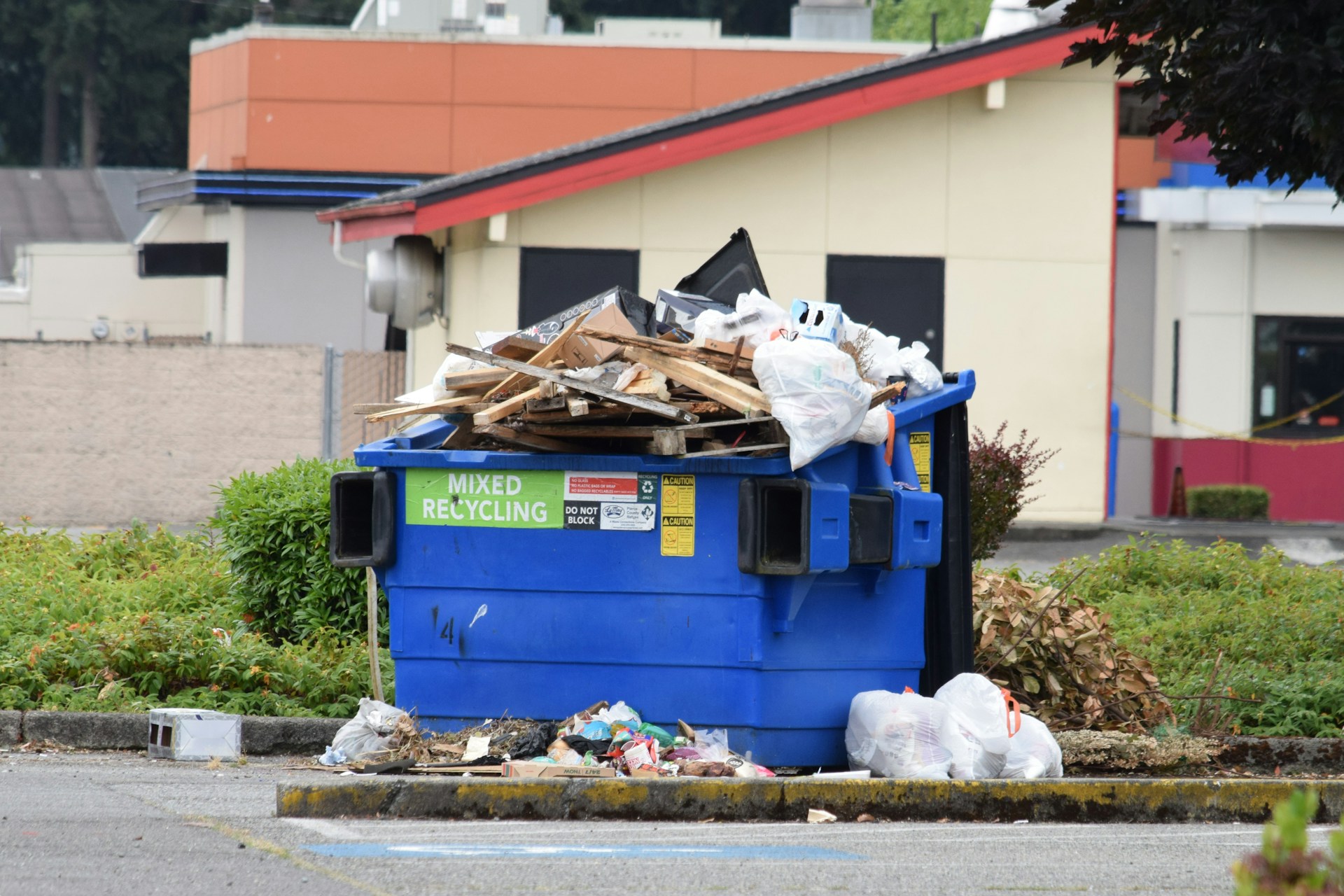
- Wet or bulky materials (like shingles or tree limbs) fill up bins fast, even if they don’t weigh much
- Adding a little extra space helps keep the lid closed and prevents overflows
If you go too small, you might hit the weight limit faster than expected or need a second bin before you’re ready. If you go too big, it could take up needed space in tight driveways and end up only half-filled.
A practical way to approach sizing is to make a rough estimate of how many bags, boxes, or piles of debris you expect to generate. Consider that renovation or landscaping projects sometimes create more waste than you initially guess, so allowing a bit of cushion in your chosen dumpster size is generally wise. This is especially true if you need to throw away old furniture or large yard equipment, which may not break down easily. Review your project’s scope and trust your rental provider’s expertise; describe your project and ask if the next-larger size would better serve your needs if you have lingering doubts.
Local Waste Solutions offers 10, 20, 30, and 40-yard roll-off dumpster rentals in Henderson, KY, with flexible delivery that fits your schedule and debris types found in spring projects.
Call Ahead and Have the Right Info Ready
Once your dates and needs are clear, make the call to schedule delivery. Try to call early, especially in March when people start cleaning out garages, breaking ground on yard work, or replacing old roofing.
- Have your project details ready, including the type of waste, estimated volume, and timeline
- Ask about materials that can’t be tossed, like paint, propane tanks, or appliances
- Mention any special conditions, like soft ground, driveway slope, or narrow streets
Getting on the schedule early helps your container arrive when the job starts, not two days later when the driveway is already blocked with bags or boards.
For unusual properties or extra-narrow entries, Local Waste Solutions can help talk through access points and delivery day tips so your bin can be placed quickly and safely even in tighter Henderson neighborhoods.
Also, be prepared to clarify whether you have any obstacles such as pets, gates, or locked fences that the driver should be aware of. If you foresee changes in your project’s timing or expect construction traffic, mentioning this up front will prevent disruptions later. Communication is key to a smooth drop-off and minimizes the chance of rescheduling or delays.
Stay Flexible with Weather and Pickup Timing
Spring weather in Henderson can be unpredictable. One good rain can change how the ground handles the weight of a full container or make driveways too slick for a truck.
- If rain is in the forecast, consider placing boards or plywood under the wheels for more support
- Avoid placing the bin in areas known to flood or stay soggy
- Be open to changing your pickup time if you load quicker than expected or need an extra day
Snow is less common in mid-March, but old snow piles near curbs or on shaded driveways can cause problems if not cleared before the bin shows up. Take a look the day before and touch up any messy spots.
Being adaptable to the weather and the evolving pace of your project will ensure your rental doesn’t become a source of stress. When you carefully watch upcoming weather and communicate with your provider, last-minute changes are easier to handle. This makes your project more resilient to surprises, keeping everything on track from start to finish.
Keep Cleanup Easy from Start to Finish
Getting a roll-off dumpster to your site is only the first step. The rest of the project goes well when you’ve set things up with care. Even small things like choosing a level spot or clearing overhead branches make a real difference.
When everything connects, size, timing, access, the rest feels less stressful. You throw away what you need, when you need to, without worrying about the bin filling too fast or sitting in the wrong place. A little prep now keeps your spring projects in Henderson on track without delays or backtracking.
As you move debris into the container, distribute weight evenly to avoid balance issues when the dumpster is picked up later. This approach also helps keep the space around your container safe for workers and family members. Regularly tidying the area and keeping items contained prevents scraps from blowing away in spring winds and reduces the chance of falls or injuries.
Planning work in Henderson this spring is easier with a little preparation. Choosing the ideal drop-off day, measuring your space, and considering the weather all help prevent surprises once your bin arrives. When it’s time to schedule a reliable roll-off dumpster rental in Henderson, KY, we at Local Waste Solutions are ready to help. Give us a call to get started.