
Dumpsters

What to Know About Commercial Waste in Daviess County

The end of winter is a messy time for businesses across Daviess County, KY. Offices and shops start clearing out old materials, restaurants and stores adjust for seasonal inventory changes, and outdoor sites begin prepping for the job-heavy months ahead. Without a good plan for commercial waste, it doesn’t take long for things to pile up.

Commercial waste management in Daviess County, KY isn’t just something to check off a list. How we handle that cleanup makes a big difference in how smoothly everything runs come spring. From furniture scraps to leftover packing materials, sorting and removing waste early keeps business areas safer and easier to work in.

For companies wanting to avoid headaches when spring arrives, now is the ideal time to set a smart waste strategy in motion. Waiting until piles become unmanageable or containers overflow will only cause slowdowns and stress. By focusing some attention on the types of debris building up, the local rules that apply, and the common mistakes that can get in the way, businesses can start the new season cleaner and more organized.

Understanding Commercial Waste Types in Daviess County

Around this time of year, we tend to see a few common waste types creeping up in local businesses. What gets tossed out isn’t all the same, and knowing what’s ending up in the trash can help us manage it better.

  • Food waste is common for restaurants, especially when old stock needs to be rotated or discarded ahead of spring menus.
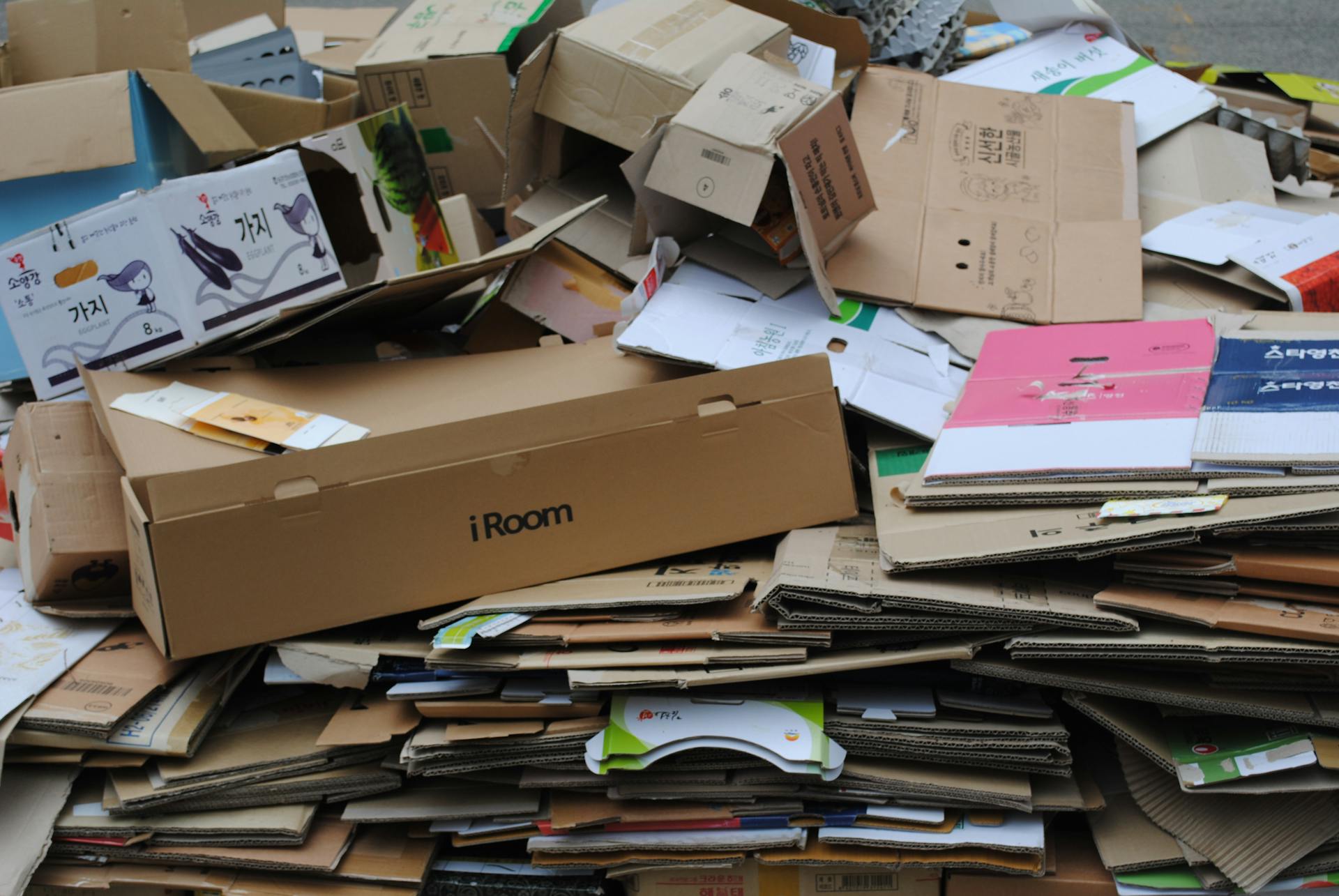
  • Cardboard boxes and packing materials often pile up as winter shipments slow down and supplies reset.
  • Office junk like broken chairs, outdated computers, and holiday decor starts to gather in corners.
  • Scrap material from shops, manufacturing areas, or property maintenance gets left behind after winter jobs.

Cleaning this up little by little helps things run smoother. When we don’t let trash linger, tools aren’t blocked, backdoors aren’t jammed, and every square foot of the space can be used more efficiently.

Businesses may be surprised by how fast minor items accumulate after months of cold weather and limited hauling options. An early inventory of what’s hiding in closets, corners, or storage areas gives a better idea of how much removal is needed.

On top of that, different workspaces generate completely unique piles. Kitchens, retail floors, and garages all need tailored cleanup approaches. Bulk materials from maintenance, for instance, tend to require bigger containers than typical office recyclables.

Common Mistakes Businesses Make

Even when we mean to stay on top of cleanup, there are common slip-ups that throw a wrench in the plan. Most of them seem small at first, but over time they create bigger headaches.

  • Overpacking bins leads to lids that won’t close, which makes waste harder to haul away and more prone to blowing around.
  • Tossing in things like batteries, old paint, or restricted electronics can cause removal delays or damage to containers.
  • Missing pickups or placing bins where trucks can’t reach (especially after winter storms) can cause serious backups.
  • Letting junk pile up in alleys or loading docks without a schedule can lead to blocked access and even safety violations.

We’ve seen jobs come to a standstill because the wrong thing got stuffed in the bin or it snowed the night before pickup. A little planning now helps avoid the last-minute scramble.

It also helps to remind staff and managers about what belongs in each designated bin. Placing reminders near busy work zones or reviewing service guidelines before a big purge can prevent surges in prohibited or hazardous items that complicate your waste plan.

Local Rules and Pickup Schedules Matter

Many businesses in Daviess County don’t always factor in the local timing and regulations that affect waste plans. But these details shape how and when we can clean things out.

  • Some types of waste must head to specific facilities and can’t go out with regular trash, which can limit removal options.
  • Most dumpsters need to be placed in accessible spots so pickup trucks can get in quick, even in wet or frozen conditions.
  • Right around February and early March, lots of businesses start tidying up at once, which can cause delays if we haven’t booked ahead.

Cold weather doesn’t make things easier, either. If there’s snow or the ground is soft, bins must be on solid footing. That might mean laying down boards or picking a location that won’t become a muddy mess.

Adhering to city and county rules for what can and cannot be put in dumpsters will help avoid fines or interruptions. Planning for restricted items, hazardous waste, or specific recycling requirements helps businesses keep service on schedule without costly issues.

Local Waste Solutions provides Daviess County businesses with a variety of front load and roll-off dumpsters, serviced on reliable pickup schedules year-round, and designed for different waste types including bulk materials and daily trash.

Scheduling ahead is especially important this time of year. As others in the community start looking to clear out storage, bins fill up and routes get crowded. Securing your pickup window early means your spring reset won’t stall.

Choosing the Right Container and Service Plan

Every business handles waste differently depending on size, setup, and how often things get thrown out. Picking the right container and pickup schedule can help prevent a lot of costly changes later on.

  • Retailers and restaurants that have small daily waste might be fine with regular pickup using smaller, standard bins.
  • Warehouses or offices doing seasonal cleanouts may benefit from temporary roll-off dumpsters to handle short-term bulk material.
  • Businesses that toss out larger objects or constant loose material usually need a long-term setup and enough space for steady pickup access.

Overestimating or underestimating how much will get tossed can lead to last-minute changes or extra fees. That’s why it helps to spend a little time thinking through what’s coming in and going out each week before the busy season hits.

Some companies schedule monthly workspace reviews to gauge how quickly bins fill up. Others may keep notes on inventory cycles to plan extra pickups during bulk clearance periods. No matter your approach, a recurring waste check-in saves money and stress later.

Our team works with local operations to estimate trash volume, prevent overfilling, and ensure container sizes match real business needs, reducing the risk of overflow or service interruptions.

Calling your provider with specific requests or information about facility changes can help tailor your plan even more closely to your business’s needs. Whether you change service frequency or swap for a different sized container, staying in contact goes a long way.

Why Consistent Waste Planning Pays Off

When we stay ahead of commercial waste, things run smoother not just in the short term but all the way into spring. Clear walkways, open docks, and reliable bin schedules help crews move faster and businesses keep focus where it needs to be.

Anyone who’s tried to start a spring reset with a full dumpster out back or icy bags at the loading area knows how quickly it slows everything down. When we plan our waste management well before crunch time, we’re not stuck reacting. We’re ready.

With a proactive waste plan, staff can concentrate on sales, service, or new projects instead of scrambling to clear space or chase down late pickups. Reliable bin access gives teams the freedom to work safely and efficiently.

At Local Waste Solutions, we know how important it is to stay ahead of seasonal cleanouts so nothing slows down your operations. Whether you’re dealing with leftover inventory, scrap from winter jobs, or old office furniture, keeping a steady plan for waste can help everything run smoother. As you prepare for warmer months and want to avoid delays, now’s a smart time to review your setup for commercial waste management in Daviess County, KY. Let’s make sure your bins, pickups, and timing all stay on track. Give us a call and we’ll help you get everything sorted.
Dumpsters

Choosing the Right Dumpster Size for Your Roofing Project

In late February, many roofing jobs in Owensboro kick into high gear. There’s just enough time to get ahead of spring rain without working through summer heat. But winter cleanup can make a mess of any progress if you’re not ready. Shingles stack up. Pieces of plywood get soaked and heavy. Nails and torn underlayment need to be cleared fast. The last thing you want is for debris to slow the job or block the driveway.

That’s where having the right roll-off dumpster makes a difference. With all the different sizes available, it’s easy to guess wrong. A 20 yard dumpster rental in Owensboro, KY might seem like the best pick, but whether it works really depends on what’s coming off that roof. Dumpsters should match the job. That keeps things safe, clear, and on schedule.

Know What You’re Tossing: Types of Roofing Waste

Roofing projects tend to generate more debris than you expect. Some materials come down in big chunks, while others pile up as loose pieces. You might be tossing out:

  • Asphalt shingles
  • Felt or synthetic underlayment
  • Wood decking or support boards
  • Nails, flashing, and metal trims
  • Gutters or drip edges pulled during removal

Different roof types create different amounts of waste. An asphalt tear-off from a single-story home might not produce the same volume as replacing a metal roof from a two-story house. If you’re working with older homes or repairing a leak, those materials tend to come apart into smaller, broken pieces, which can pack down more but also weigh more.

A flat roof might surprise you too. Instead of shingles, you might be dealing with layers of insulation and membrane, which are lighter but bulkier. Shingle weight adds up quickly, especially if the material is damp or frozen from winter weather. That’s why knowing what’s being removed matters just as much as how big the roof is.

Why Size Matters More Than You Think

Picking a dumpster size isn’t just about estimating how much trash you’ll have. It directly affects how smoothly things run once the job begins.

  • Too small, and you’ll be scheduling extra pickups or filling up a second bin
  • Too big, and you risk paying for unused space or struggling to fit it on the property
  • If materials get soaked from snow or rain, weight limits can be reached faster than expected

If a 10 yard bin seems like enough and fills up halfway through the job, cleanup suddenly slows down. Overflow piles next to the bin become a hazard. If you go with a 40 yard container and most of it stays empty, that’s wasted room and wasted money. Every roofing project has its own sweet spot. Picking the right size from the start saves headaches later.

We always recommend thinking about both volume and weight. That means doing a rough count of shingle bundles (or square footage) and talking through what’s coming down from the roof. You don’t want to rush those decisions on the morning of a tear-off.

How a 20 Yard Dumpster Fits Most Mid-Sized Roofing Jobs

A 20 yard bin is often the best match for average-sized roofing work around Owensboro homes. If you’re replacing a single layer of asphalt shingles on a modest house, this size typically has enough space without going overboard. It handles tear-offs from garages, sheds, or smaller additions comfortably too.

The shape and capacity of the 20 yard container make it a good balance between room and weight tolerance. You get enough volume to handle bulk scraps, but it’s still compact enough to place in driveways or yard edges.

We’ve found that a 20 yard dumpster rental in Owensboro, KY works well for:

  • One-layer tear-offs from homes around 1,500 to 2,000 square feet
  • Removing asphalt shingles with moderate water saturation
  • Jobs that finish in 2 to 3 days and don’t need multiple swaps
  • Partial replacements or recovery jobs where parts of the roof stay untouched

That said, if old decking or multiple shingle layers are coming down, your waste weight will increase fast. That’s another solid reason to not go smaller than you need.

Local Waste Solutions offers 10, 20, 30, and 40 yard roll-off dumpsters for roofing and construction debris to handle both residential and contractor projects. Our reliable team can advise on best-fit dumpsters and provide same-day or next-day delivery in Owensboro, with friendly service through every part of your rental.

Other Factors to Think About Before You Rent

Winter roofing doesn’t just come with cold, there’s snow melt and soft ground to consider.

  • Wet shingles get heavier and can cause you to hit a dumpster’s weight limit quicker
  • Some driveways might be covered in snow or weakened by thawing, limiting where the container can go
  • Frozen mornings can make it harder for drivers to position bins safely

Placement matters more than people realize. If the only flat surface is behind the house and it’s not accessible by truck, that would mean hand-carrying all your debris around the home. Rain can make yards muddy, so placing a dumpster on plywood can give better support.

Timing also matters. In Owensboro, getting on the schedule before spring roofing season kicks off helps avoid delays. Late February is a smart window to plan since many others are thinking the same thing, and the sooner you’re booked, the better your spot in line for pickups and drop-offs.

Make Your Roofing Project Smoother with the Right Dumpster Plan

The right planning makes disposal straightforward, especially in winter. Local Waste Solutions makes it easy for homeowners and roofers to choose from several bin sizes and match the dumpster to each project’s true needs.

For many mid-size roofing jobs in Owensboro, a 20 yard dumpster hits the mark. But the best results come from planning ahead. Count your material, think about how wet or heavy things might be, and make space ready on your property. Winter comes with its own messy conditions, but a good bin setup clears the way fast.

Once everything’s in motion, you won’t have to stop work to figure out where that load of shingles should go. You’ll just keep moving forward. And that helps you finish the season strong without cleanup slowing you down.

Planning a roofing job in Owensboro goes smoother when you have a solid debris removal strategy. At Local Waste Solutions, we make it easy for homeowners by offering reliable solutions for your specific project needs. For most homes, a 20 yard dumpster rental in Owensboro, KY provides the ideal amount of space to keep cleanup fast, simple, and stress-free. Reach out to Local Waste Solutions today to schedule your dumpster rental.

Dumpsters

How Businesses in Owensboro Use Front Load Dumpsters

As winter starts to fade and early spring creeps in, many businesses in Owensboro are gearing up for seasonal cleanouts and heavy workloads. It’s often the time of year when trash builds up fast, especially when things get busy after a slow start to the year. For daily waste control, a front load dumpster for Owensboro businesses becomes a helpful part of keeping things running smoothly.

These containers are practical, space-saving, and simple to manage, which makes them a smart choice in tighter areas or older lots. From restaurants to retail shops, and even small office buildings, we see all types of industries relying on them during this transition season. Here’s how different places across Owensboro put them to work.

Why Front Load Dumpsters Fit Into Daily Business Operations

Many types of businesses use front load dumpsters, and for good reason. They help manage waste with little fuss and take up far less space than larger containers.

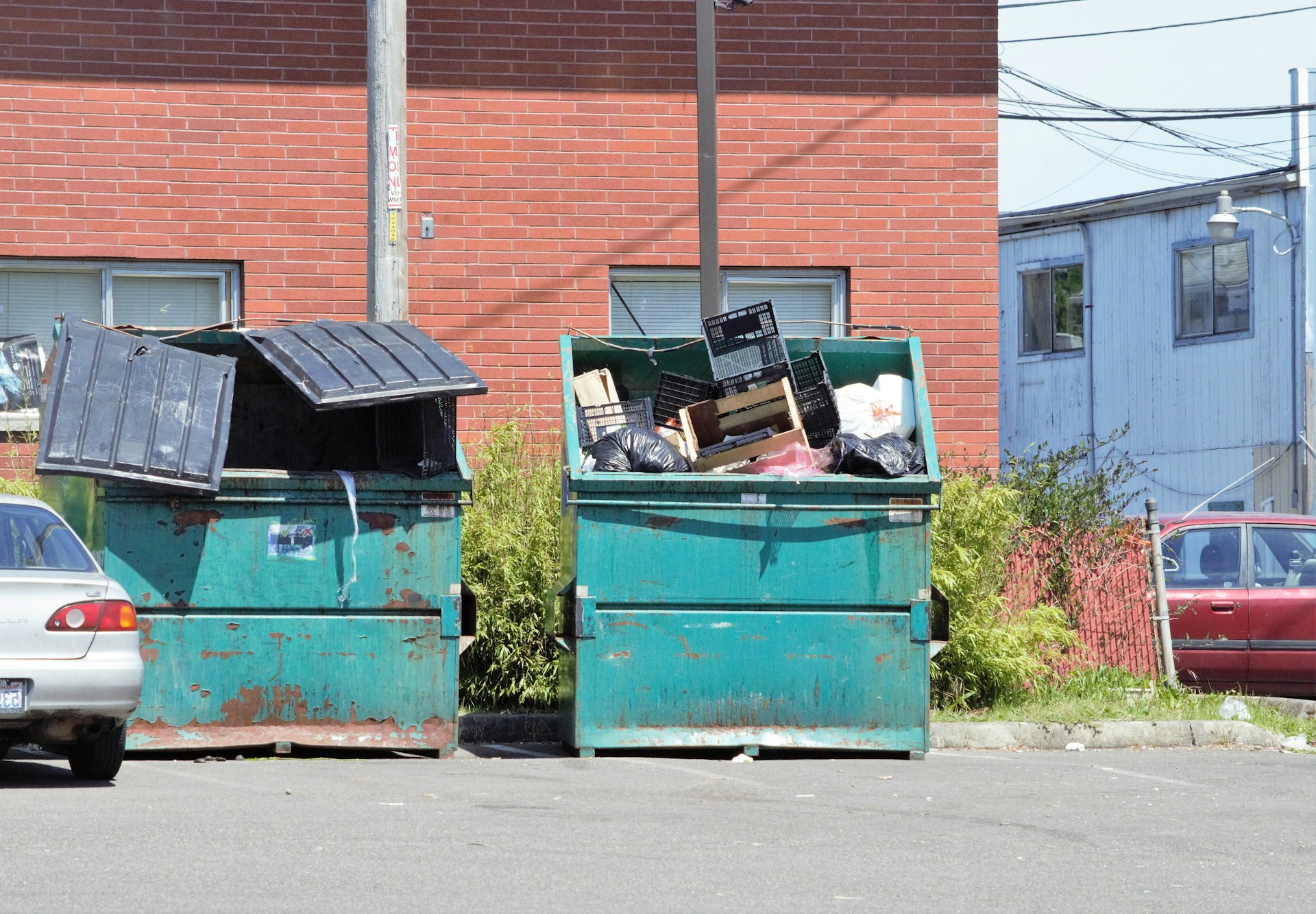
• Their compact design makes it easier to place them in narrow alleyways or small parking spots behind shops or offices.

• Scheduled pickups mean less worry about overflowing bins, especially during events or weekly rushes.

• Hinged lids and easy-load access are useful once the weather turns wet again. Whether it’s after a frost or during a rain-heavy week, lids stay easy to use without extra lifting or cleanup.

This kind of system creates a smooth routine. Nobody wants to think about trash every day, so having a reliable container nearby helps shorten that list of daily worries. Plus, with winter still holding on some days, cutting back on time spent outside is always a bonus.

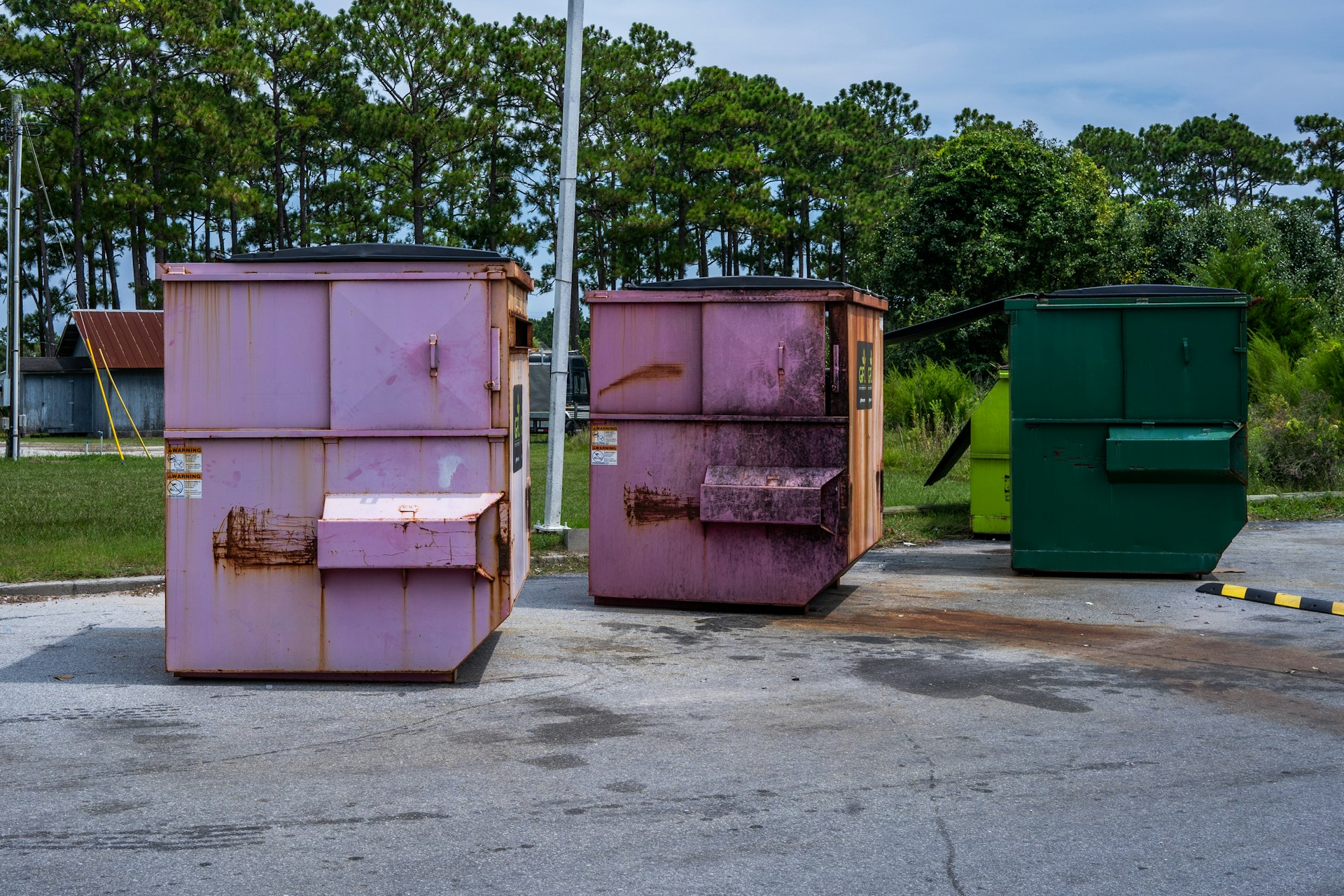
Local Waste Solutions offers front load dumpsters in 2, 4, 6, and 8 cubic yard sizes, with flexible pickup schedules to fit the waste volume and routines of Owensboro businesses. All front load containers are designed for durability and are equipped with plastic lids for easier use in any season.

How Restaurants and Shops in Owensboro Use Front Load Dumpsters

We work with a lot of small eateries, diners, and shops here in Owensboro. They all face the same challenge, tight spaces and daily trash buildup. That’s where front load dumpsters really pull their weight.

• Restaurants often use them for food scraps, spoiled items, and all the packaging that comes with deliveries.

• Retail stores depend on them to clear out damaged goods, shipping boxes, and leftover packing material from shelf resets.

• When containers are placed near backdoor delivery bays or loading zones, nobody has to walk far on snowy or wet pavement, lowering the chance of slips or delays.

Most businesses in these high-traffic sectors can’t afford to stop and think about waste. They need something that works without much thought and keeps their work areas clean and open. That starts with having a container that fits and a pickup schedule that matches their rhythm.

Commercial Buildings and Offices: Keeping Waste Under Control

Office waste might not seem like a lot day by day, but things can pile up fast with regular foot traffic and shared spaces. Whether it’s a standalone company or a group of smaller businesses in one building, waste control matters.

• We often see offices using front load dumpsters for daily paper waste, broken gear, or old desks and chairs during cleanup cycles.

• Shared containers work well for multi-unit buildings, especially when tenants agree on a set service schedule.

• Keeping dumpsters in one set spot near the building helps avoid loose trash bags on sidewalks or clutter building up next to entry points.

This setup saves time and cuts down on mess. Nobody wants to start their morning stepping past garbage. With steady service and a proper container fit, even a group of tenants can avoid issues like odor, clutter, or blocked paths.

What to Consider Before Choosing a Dumpster Size and Pickup Schedule

Now’s a good time to think about your setup for spring. Trash habits often shift with the season, especially as buildings get busier. A little planning goes a long way.

• Try to estimate how much trash your business makes on a typical day and during your busier periods.

• Think about where you can fit the container. Avoid steep areas, soft ground that might freeze or thaw, or spots where plows pile up snow.

• Pickup timing matters, too. Even if your business only makes a moderate amount of trash, limited space inside can mean you’ll need more service visits to keep things flowing.

You don’t have to overthink it. Just match the bin size and schedule to your habits. This reflects your daily routine and avoids the nuisance of packing extra bags indoors or dealing with a dumpster that’s hard to reach.

If you are not sure what size would be right for your business, consider looking at your busiest months from last year and note any changes in staffing or products that could change your trash volume. Businesses that handle food, retail, or event cleanups sometimes skip this step, but even a simple review can prevent last-minute surprises. It’s also helpful to check your property map and spot where trucks can reach the bin in slippery or muddy conditions.

Certain businesses may not generate the same amount each week. For example, a restaurant may have more food prep on weekends, while school or office buildings see more use on weekdays. That’s why flexibility in scheduling pickups is just as important as picking the right bin size. You want a dumpster that supports busy times but doesn’t sit half empty the rest of the week.

Making Waste Removal Simpler for Owensboro Businesses

This time of year brings unique problems. Snow might still be here one week and gone the next. Conditions change fast, and that affects things like accessibility and safety.

• When paths freeze or snow gets pushed around the lot, a container with working lids and a known location becomes a must.

• A regular service schedule makes sure you’re not stuck with overflow after a storm or weekend event.

• With the right bin in the right place, waste becomes one less thing your crew has to worry about.

Managing trash doesn’t have to slow us down. As Owensboro businesses start picking up speed again with spring on the horizon, planning ahead with the right system helps keep things cleaner, safer, and less stressful. And when we don’t have to deal with messes piling up, we’re free to focus on the work that matters most.

As your Owensboro business grows busier with the changing seasons, it makes sense to have a waste management plan that truly matches your space and the type of garbage you handle most. Reliable service with a front load dumpster for Owensboro businesses keeps your workflow smooth without unwanted disruptions. At Local Waste Solutions, we make waste removal simple so you can focus on what matters most. Call us today to get started.

Dumpsters

Roll-Off Dumpster Tips for Spring Cleanouts in Leitchfield

As winter winds down across Grayson County, we start to feel the early pull of spring. Warmer days are around the corner, and we know what that means, cleanup season. Whether it’s clearing out last year’s clutter or getting yard space back in order, spring cleanup projects come with plenty of stuff that needs to go somewhere. Planning early with roll-off dumpsters in Leitchfield, KY, can make all the difference when it comes to staying on top of all that debris.

Having the right dumpster in place helps keep projects running smoother. It also saves trips to the landfill, cuts down on yard mess, and gives us the space we need to work. We use spring as a chance to reset the property, and it’s harder to do that when piles of old junk get in the way. Knowing when and how to use a bin helps us avoid surprises during an already busy season.

Getting the Timing Right for Spring Projects

We’ve all seen how spring weather in Leitchfield can change from one day to the next. A warm spell in early March might turn into rain, and that rain can turn cleanouts into a muddy mess. That’s why timing matters just as much as the tools we use.

• Try to plan cleanup activities for those early clear days of spring before the ground gets too soft or storms move in

• Check the yard, garage, or property for problem areas that need clearing before landscaping or home repairs begin

• Schedule your roll-off dumpster ahead of time so you don’t end up waiting while junk keeps piling up

Cleanouts often lead into other spring projects like trimming trees, replacing gutters, or fixing up broken patios. Removing clutter early sets up the space for those jobs to move forward without delay.

Picking the Right Size Dumpster for Your Needs

One of the easier problems to avoid is picking the wrong dumpster. We’ve seen bins get filled in a single afternoon because they were too small for what the job really needed. Figuring out the right size from the start helps keep the cleanout from stalling partway through.

• Think about the materials you’re tossing: are they big and bulky like furniture or small and stackable like yard waste?

• Will most of it be dry household items or heavy stuff like bricks, scrap wood, or roofing?

• If it’s a mix, lean toward a bin that gives you more space so you’re not stressed about fitting everything in

It’s always easier to work with extra room than to worry about packing everything in too tight or waiting for a second dumpster. One larger container lets us stay focused on the project instead of stopping to reshuffle when space runs out.

Local Waste Solutions offers 10, 20, 30, and 40-yard roll-off dumpsters to serve Leitchfield and Grayson County, with flexible scheduling and straightforward setup to minimize spring project delays.

Safe and Smart Placement of Your Roll-Off Container

Placing a dumpster isn’t just about finding a spot. It’s about choosing the right spot so loading stays simple and safe. Early spring ground in Leitchfield is still soft, especially in shaded areas. That can make it harder to find a firm spot that handles daily use.

• Choose a flat surface with good drainage so water won’t puddle around the bin

• Avoid placing near cracked driveways, low tree limbs, or soft garden beds

• If the ground is questionable, lay down sheets of plywood under the wheels so the bin doesn’t sink or leave ruts

A few small steps early on mean less work later. Good positioning keeps the cleanup moving quickly and cuts down on hauling junk back and forth across soggy ground.

Our drivers help select smart placement options onsite and advise on using boards to prevent rutting or surface damage when spring ground is soft or saturated.

Keeping Spring Debris Under Control

Spring can be windy, and that means loose debris doesn’t always stay where we put it. Building some cleanup habits into the project helps keep the rest of the yard and neighborhood neat too.

• Use a tarp or cover when the dumpster’s not in use to keep light materials from blowing around

• Group similar items together so trash goes into the bin, recyclables can be separated, and anything sharp stays in the center

• Be careful with soggy or moldy materials, they’re heavier than they look and can cause lifting trouble when packed together

Cleanup doesn’t need to be stuffy or complicated. Simple steps help manage the mess and keep control over the site while the work is ongoing.

Avoiding Delays and Common Problems

It’s easy to forget about the little things until they turn into bigger ones. Misplaced bins or overfilled loads can slow down a project quicker than we’d like. Planning for those common problems makes it easier to stick to our schedule and finish on time.

• Never place the bin where it blocks cars, walkways, or neighboring driveways

• Don’t overload the container: keep materials below the top lip to avoid trouble with pickups

• Know what’s allowed and what should stay out, like electronics, tires, or leftover paint

Simple fixes now prevent headaches later. The better we manage our bin from the start, the easier the cleanout will go.

A Cleaner Start to the Season

Spring cleanup doesn’t have to feel like an uphill task. When we make space to get rid of old junk, we’re really making room for new projects and better days outside. Using roll-off dumpsters in Leitchfield, KY, lets us stay organized and work smarter during one of the busiest points of the year.

Every step we take now sets things up for success later as the weather improves. The quicker we handle junk, clutter, and debris, the sooner we get back to the parts of spring we actually enjoy.

Keep your spring cleanout on track with the right setup from Local Waste Solutions. We make it simple to clear space without backtracking or delays, especially when you’re working on a deadline. See our options for roll-off dumpsters in Leitchfield, KY so you’re ready when the weather breaks. Call us today and let’s get your project set up before clutter starts to pile up.

Dumpsters

Simple Ways to Improve Dumpster Access in Central City

Late winter cleanup jobs in Central City can get messy fast. Between muddy paths, snow piles, and stacked materials, it doesn’t take much for spaces to get crowded. When that happens, it becomes harder for crews to keep waste under control or even get to the dumpster at all.

That’s where a solid setup plan can help. A good start to dumpster rental in Central City, KY, begins with easy access. If trucks can’t drop off or pick up smoothly, or if workers have a hard time using the bin, everything starts to slow down. A few simple steps make a big difference in keeping projects running on time.

Make Room Before the Dumpster Arrives

When our crews show up ready to work, any holdup at the drop site sets everything back. Clearing space before the dumpster shows up makes the first day move much faster.

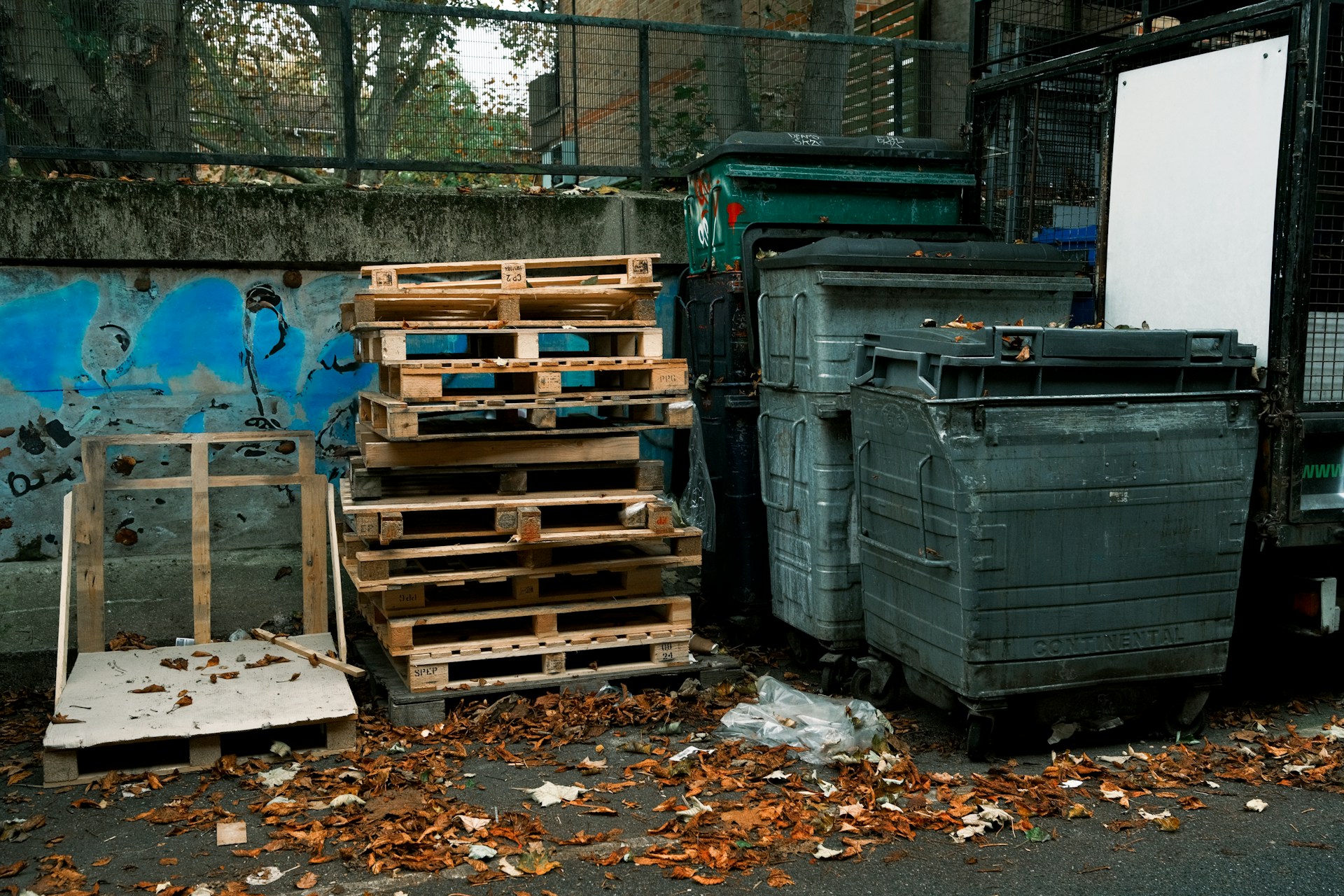
  • Move snow piles, scrap wood, bundles of pipe, or pallets away from the planned drop spot. Anything in the way could block the delivery truck or throw off the placement.
  • Spread gravel if the ground is soft or muddy. This creates a surface that can hold the weight of the bin without letting it sink or tip. If the area has a lot of moisture, laying down extra boards or timbers may add support and prevent ruts.
  • Think through the whole jobsite layout so the dumpster doesn’t sit in a cut-through path, equipment load zone, or storage aisle. Picking the right spot early can save major trouble later, and some forethought means fewer moves needed later.

Getting ahead of these prep steps prevents delays on delivery day and lowers the risk of needing a mid-job relocation. Having these plans in place also helps make the arrival more efficient, so your crew can get to work right away without delays.

Use a Spot That Works for Drop-Off and Pick-Up

A lot of people don’t realize how much space the drop-off truck actually needs. It’s more than just the size of the dumpster. There’s the swing of the container, the truck’s turning radius, and space above it, too.

  • Stay away from low-hanging tree limbs, loose wires, or garage overhangs. The truck needs vertical clearance to tilt and unload the bin safely, and lack of clearance could mean rescheduling or even cancellation.
  • Look for a spot drivers can reach without tight turns or narrow gates. If the way in is tough to back into, the drop-off might not happen at all. Measuring gate or driveway widths in advance gives confidence that the placement will go as planned.
  • Never place the bin on steep grades or soggy ground. The weight of the container (plus what’s inside) can cause it to shift or sink, making removal more difficult at the end of the project.

An ideal bin spot keeps safety in mind while allowing straightforward access from the street or service road. Keeping the area tidy and free of obstacles at all times can prevent last-minute rushes to clear a path before delivery or pickup.

Local Waste Solutions provides a variety of roll-off dumpster sizes for projects in Central City, KY, ensuring bins fit confined spaces and unique jobsite layouts. Our team coordinates delivery to match your schedule and helps plan bin placement for best access, even in bad weather.

Keep Access Clear During the Job

Getting the dumpster in place is just the first part. It won’t be much use if no one can reach it once the tools and trucks start moving in. Keeping the path clear throughout the job’s duration is just as critical as the initial setup.

  • Ask workers and delivery drivers not to park in front of or directly beside the dumpster. A blocked bin slows down cleanup and prevents pickups by restricting movement or access.
  • Mark off the area with traffic cones or visible tape if there’s any risk someone might crowd the space without realizing. Make sure the area stays open, even when lots are full or when shifting site needs create congestion.
  • Don’t allow trash to pile up around the outside of the container. It doesn’t just look bad, it makes dumping harder and adds more time to pickup. Designate regular checks to keep unwanted materials or obstacles from building up near the bin.

When everyone knows where the dumpster is and keeps the area clear, it speeds up the whole process and cuts down on confusion. That means less time wasted trying to clear a path or waiting for trucks to move.

Think About Daily Use Before It Starts

Once the bin hits the ground, we want it to work for us, not against us. That starts by taking a few minutes to think about where the waste will come from and who’s using the space throughout the day.

  • For longer jobs, place the bin close to where debris builds up the most. That way, crews don’t have to walk across the entire site just to drop off material. Evaluate where most scrap gets generated and factor in safe walking paths to minimize travel time.
  • Side-loading containers can be a faster, easier option when space is tight or when direct toss-ins are common. Checking if the jobsite has confined alleys or walls nearby can guide this decision.
  • Make paths clear for carts and foot traffic. Lots of small, quick trips are better than workers straining to drag heavy loads across uneven ground. If materials need to be pushed in wheelbarrows or on carts, smooth out bumps and low spots, or lay down plywood for a flat, navigable surface.

Thinking ahead doesn’t take much time, but it pays off day after day until the work is done. As jobsite needs change, occasional adjustments to the setup can make each task easier and prevent headaches later.

Making Work Easier Every Day

Winter jobs in Central City often come with enough challenges. Mud, freeze-thaw ground, and fast-changing weather don’t leave a lot of room for mistakes. That’s why picking the right spot and keeping it clear matters from day one.

When dumpsters are placed where they should be and everyone can use them without delay, jobs move faster and with less stress. Good planning saves steps, keeps cleanup simple, and makes it easier to stay focused through the last stretch of winter and into early spring. Improving dumpster access is one of the easiest parts of a project to get right, and it makes all the difference when things start to pick up speed. Thoughtful dumpster placement reduces lost time, keeps crews on task, and helps everyone work together smoothly no matter what the conditions outside may be.

Simplify Cleanup with Smarter Dumpster Access Plans

Planning a job site in Central City, KY, is easier when you have a dependable waste partner by your side. We provide durable bins placed exactly where you need them, plus flexible solutions to keep your project moving efficiently. Make cleanup simple and stress-free with a reliable setup for your dumpster rental in Central City, KY. Call Local Waste Solutions today to schedule your drop-off.

Dumpsters

Common Problems with Winter Debris in Spencer County IN

When winter settles into Spencer County, IN, it doesn’t take long before outdoor jobs run into a few extra obstacles. Ice builds up, snow piles turn to slush, and strong winds scatter debris across work areas. What would normally be a simple cleanup in warmer months becomes slower and more frustrating as conditions shift every few days.

Having a solid cleanup plan helps keep construction and property work moving forward, even when the weather’s working against us. That means thinking ahead about what kind of debris shows up, how quickly it stacks up, and where to put it. Choosing the right construction dumpster in Spencer County, IN, is part of that plan, but using it well is just as important. When we manage winter debris the right way, we avoid wasted time and accidents that could stall the job.

Common Types of Winter Debris on Construction Sites

Every season comes with its own type of cleanup, and winter in Spencer County is no different. Cold spells and storms leave behind a trail of unexpected waste. Frozen ground shifts materials, wind knocks things loose, and snowmelt washes trash right into work zones.

  • Tree limbs, twigs, and brush get shaken loose after freezing rain or high wind. These often block access areas or limit movement around the site.
  • Siding, trim, or roofing materials can come loose when buildings expand and contract during freeze-thaw cycles. These scraps often get buried under snow or scattered around jobsites.
  • Loose trash, fast food wrappers, plastic bottles, and windblown materials from nearby areas end up in yard spaces or around fence lines after each storm.

This kind of debris doesn’t just look messy. It clogs up paths and adds more steps to daily work. If we’re not clearing it regularly, it starts to slow down everything from deliveries to walkthroughs.

How Debris Slows Down Work and Creates Hazards

The problem with winter debris isn’t just the amount. It’s where it ends up and how long it stays there. Once piles start growing, they don’t just get in the way. They cause real delays and increase the risks around a jobsite.

  • Overflowing debris can block delivery trucks trying to drop off materials. Once one load is delayed, the rest of the project starts shifting off track.
  • Slippery piles of wet wood or icy trash can be hard to spot until someone slips, trips, or twists an ankle going around them.
  • Tools and cords often get tangled up trying to work around debris, and crew members waste time moving junk out of the way just to do their own tasks.

It might seem easier to wait until the weather clears up before trying to deal with it all at once, but that usually leads to bigger piles and more cleanup later. Even smaller jobs can get stuck when the area isn’t safe or ready to use.

What Makes Winter Cleanup More Difficult

There’s a reason winter debris tends to hang around longer than waste from summer or fall work. It’s not just about the cold. It’s the way conditions make regular cleanup harder than usual.

  • Frozen ground locks in debris that would normally be easy to scoop or carry. We often need more force or equipment to remove things like broken boards or rooted branches.
  • Snow can hide sharp or dangerous materials like nails, metal scraps, or broken glass. That makes walking or driving through the area more risky after every storm or melt.
  • Picking a spot for a dumpster is harder when the ground keeps shifting between frozen and soft. If a bin sinks into slush or leans to one side, it becomes harder and less safe to use.

That’s why winter waste management takes a bit more planning. Taking time to think about pickup spots, clean areas, and keeping bins accessible can help keep the project moving even when the weather won’t cooperate.

Smart Dumpster Use for Faster Cleanup

Using the right container the right way can make a big difference when debris starts piling up. Planning out dumpster use ahead of time doesn’t take long, but it saves plenty of hours down the road.

  • Picking a construction dumpster in Spencer County, IN, that fits the size and needs of the site helps us avoid overloading or needing extra trips. Waste adds up fast in winter, especially with mixed scraps like wood, metal, and plastic.
  • Dumpsters should be placed on flat, solid surfaces whenever possible. Avoid slopes, ice-covered patches, or areas where water gathers once snow starts melting. Plywood under the wheels can help in softer zones.
  • It’s best not to overfill bins during winter. Trash that sticks out or balances high won’t stay dry and can freeze to the sides of the container. Heavy frozen chunks are harder and more dangerous to remove later.

A good bin setup acts like a pressure valve. It gives us more room to work, helps clear space fast, and keeps the site cleaner and safer when we need it most.

Local Waste Solutions provides a choice of dumpster sizes for construction needs in Spencer County, IN, with reliable drop-off and pickup, even during winter’s unpredictable conditions. Our crews help customers assess site layout and suggest placements that reduce access problems or hazards during cold-weather jobs.

Why Planning Winter Waste Management Matters

Even when winter winds down, the cleanup work doesn’t go away on its own. February in Spencer County often brings a mix of freeze, thaw, and mud that makes conditions unpredictable. That’s when planning ahead pays off.

  • Addressing debris early keeps jobsite routes open and safe longer through cold snaps. We don’t have to keep shoveling around the same trash pile each morning.
  • Crews can focus more on their actual work instead of spending time clearing paths each day or waiting for a delayed dumpster pickup.
  • Daily cleanup gets easier when containers are where they need to be and there’s room left in them. Keeping ahead of buildup helps everyone move faster once spring work ramps up.

By being proactive about winter waste, we stay on schedule and avoid bigger problems later. Cleanup doesn’t have to slow down simply because the season threw a few extra challenges our way. All it takes is a bit of planning, the right tools, and a place to put what winter leaves behind.

Stay Productive with Winter Construction Dumpster Plans

At Local Waste Solutions, we understand how quickly a jobsite in Spencer County, IN, can get backed up by winter waste. When debris starts piling up, staying on schedule takes more than just a quick cleanup, it takes having the right equipment in place before things get out of hand. Choosing a properly sized construction dumpster in Spencer County, IN keeps us ready to clear mixed debris fast, no matter the weather. From placement to pickup, thoughtful planning keeps work areas safer and more manageable. To stay ahead of winter waste, give us a call today.

Dumpsters

Understanding Dumpster Rental for Construction Sites

Construction projects move fast, and the waste piles up just as quickly. Whether it’s lumber scraps from framing or shingles from a roof tear-off, job sites in Owensboro, Kentucky, are always generating trash. Having a cleanup plan early on helps everything run smoother. Waiting too long can mean delays, double work, or worse.

That’s where the right dumpster rental for construction sites makes a difference. It keeps tools and paths clear, avoids hazards, and cuts down on wasted moves. We’ve worked with enough contractors to know that when trash is under control, everything else flows better too. Here is what truly matters when renting a dumpster for construction, from how to choose one, to where you set it, to what keeps work flowing when February weather does not want to cooperate.

Picking the Right Dumpster for the Job

Most construction sites deal with more than just wood and drywall. On any given day, you’ll come across broken concrete, outdated windows, old piping, insulation, or boxes of tile that didn’t make the cut. The type of debris you will be tossing helps decide the size and type of dumpster you need. Going too small means more frequent swaps and lost time. Too large, and you’re paying for empty space.

For short builds or repairs, a smaller bin might hold up fine. Bigger projects stretch longer and usually mean heavier materials. That is when roll-off dumpsters work best. These bins are made to stay put and can handle several days or weeks of consistent loading. Around Owensboro, many job sites are either on narrow lots or have limited drive access. Choosing a container with better dimensions can keep things easier to maneuver, even in tighter spots or rural locations.

As jobs shift from setup to full swing, it is helpful to know your dumpster can handle the ups and downs without issue. Strong bins that hold up through constant use take headaches out of the equation. Dumpsters with reinforced walls and sturdy wheels are a good fit for the large amount of debris that accumulates on active construction sites.

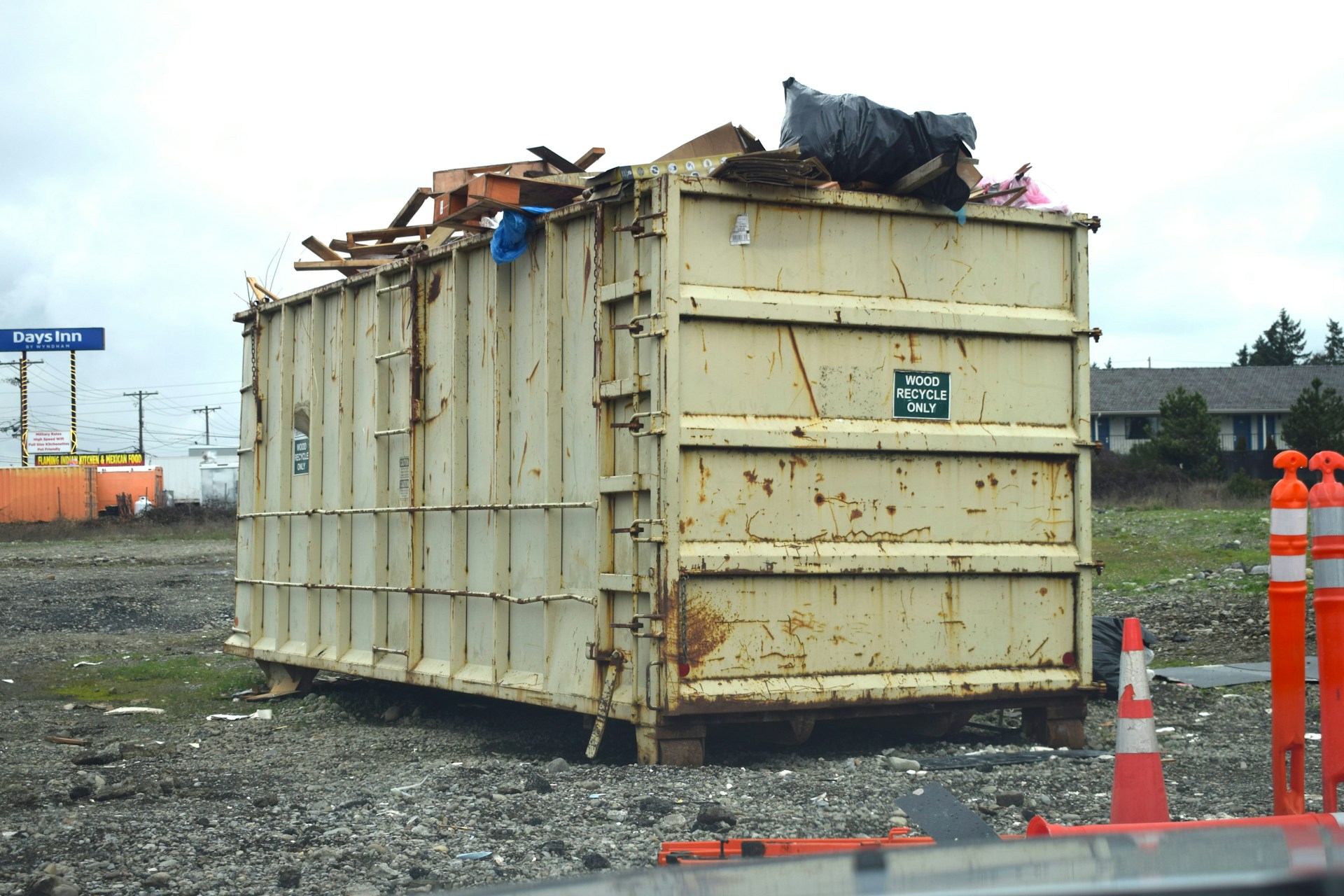
Local Waste Solutions offers 10, 20, 30, and 40-yard roll-off dumpsters for construction jobs across Daviess County and the Owensboro area, allowing for fast deliveries and pickups timed with your project schedule. Our containers are designed for both short-term and ongoing construction waste, handling everything from demo debris to heavy building materials. Choosing the ideal dumpster size plays a big part in keeping your project running on time and within budget. It also prevents extra work from repeated bin swaps.

Placement Tips for Better Workflow and Safety

Just having a dumpster onsite does not mean the job gets any easier. Where it ends up matters. We have been to plenty of locations where bins are parked out of the way, thinking that keeps traffic clear. But when it is too far from the work area or blocked by other equipment, crews slow way down.

The goal is to keep the dumpster near where most of the waste comes from without putting it in the middle of vehicle or foot paths. Flat ground is key, especially in February. Freeze-thaw cycles in Daviess County make surfaces unpredictable. What is dry in the morning might be soft mud by late afternoon. Placing a bin on firm, level ground keeps it from sinking, shifting, or being hard to load.

A smart spot saves steps and cuts down on clutter. When trash has one direct path, it frees up room, keeps people moving safely, and stops accidents before they start. When choosing a place for the dumpster, always think about both the drop-off and pickup routes for the delivery truck. If access is blocked by fences, other vehicles, or piles of material, this can slow down both delivery and removal.

Some sites set up traffic cones or temporary fencing to mark the dumpster zone and keep others from crowding the area. Others keep a sign posted as a reminder to avoid blocking the path. Having this plan from the beginning makes it a lot simpler to keep the space around the bin clear.

What Can (and Can’t) Go in a Construction Dumpster

Even though it seems like a construction dumpster will take anything, not everything belongs inside one. Most jobs send off a mix of demo waste like siding, flooring, bricks, broken cabinetry, and general debris. All those are fine and expected.

But some items need special handling and cannot be tossed in with the rest. These usually include:

  • Sealed fuel cans or batteries
  • Paints and stains that are still wet
  • Chemicals from cleaning or stripping surfaces
  • Refrigerators or anything with refrigerant

Sorting these out ahead of time helps avoid hold-ups when it is time to haul the bin. Mixing in the wrong waste types often leads to extra costs or delays. We always recommend adding one or two smaller cans nearby for that kind of material, so it does not end up where it should not.

Keeping eyes on the type of waste going in makes things run smoother and stops problems from stacking up later. It is good practice to go over the list of what isn’t allowed in the dumpster with the whole crew before work begins. That way, there are no surprises later on, and everyone understands how to handle hazardous or special debris.

If you are not sure what can be tossed or have an item you suspect might need unique handling, call ahead and ask before throwing it in. A five-minute check can keep the whole project on track and avoid a bigger fix later.

Keeping Jobs Moving Through Late Winter Conditions

February in Kentucky does not stick to one plan. Some days stay dry and cool, then suddenly a snowmelt floods the low end of the lot before lunch. That is why winter jobs need more than just the right tools, they need flexible planning that helps avoid damage and delay.

When roll-off dumpsters sit in one spot too long during a thaw, the ground under them can soften up fast. A bin that looked fine in the morning might start tilting by evening. We recommend keeping containers on high, stable ground when possible, especially if the job runs more than a few days.

Here are a few winter handling tips that work well around this time of year:

  • Use plywood or pads under wheels on soft lots
  • Check bin edges each morning for tilt or shift
  • Schedule swaps during mid-day when grounds are firmer
  • Avoid placing bins near slopes, drains, or runoff dips

When snow melts quickly, or rain puddles gather, these small actions help keep things moving. It is easy to overlook, but a dumpster is a heavy piece of equipment. When not placed right, shifting ground may cause the bin to become unlevel or even damage the surrounding surface. Planning ahead helps avoid those headaches.

Jobs keep moving when support equipment keeps up. In late winter, that means choosing bins ready for longer wear and being smart about where and how they are used. With some foresight, crews adjust their workflow to work around weather, and that small bit of planning can keep the entire timeline steady even when weather doesn’t cooperate.

Smarter Planning Means Less Stress

Every construction job runs on timing. Once demo wraps, framing starts. Then come the electricians, installers, and trim work. If crews get held up waiting to toss debris or step around yesterday’s tear-outs, everything bogs down. Setting things up right from the start keeps everyone moving.

Choosing a dumpster that fits the job, the ground, and the waste types makes for faster progress and fewer frustrations. It is not just about having a big container, it is about bringing the right one early, setting it smart, and letting it do its part without needing extra attention later.

Even small builds benefit from a thoughtful cleanup setup. Simple choices made at the start usually save the most time by the finish. Steady workflow, fewer headaches for your crew, and cleaner job sites add up to long-term savings in both energy and schedule.

At Local Waste Solutions, we are ready to support your next project in Owensboro with a cleanup plan that keeps your job site safe and productive. Having the right setup for hauling out daily debris helps your workflow, no matter how long the job lasts. With experience across every type of site, we know what steady progress looks like and how to help you maintain it. When you are ready for a reliable approach for your next build, look through our options for dumpster rental for construction sites and give us a call.

Dumpsters

How Heavy-Duty Dumpsters Help Contractors in KY

Contractors across Kentucky face some hard decisions each day. Between short deadlines, winter ground conditions, and pressure to keep things on track, the way job site waste is handled matters more than people think. Around this time of year, snow has mostly melted and the freeze-thaw cycle leaves the ground unpredictable. That’s where planning makes a difference. We’ve seen just how much a simple change can help, especially when it comes to using heavy-duty dumpsters for contractors in KY. These bins take stress off the crew, keep things safer, and stop small issues from snowballing into big problems.

Choosing Dumpsters That Match the Job

Every job brings a different kind of mess. It might be piles of old roofing, concrete chunks, broken tile, or lumber scraps stacked up by the hour. Lightweight bins might work for one-day repairs, but most construction crews are working on longer timelines that call for something tougher.

  • For dense loads like brick, burned wood, or demo waste, a stronger bin means less worry about damaging the container or going over weight limits.
  • Large bins can handle more material before needing a swap. That means fewer delays while waiting for a truck to pick up or drop off a new one.
  • For longer jobs, we’ve seen how durable, roll-off containers stay put without shifting or wearing down in the elements. Permanent setups work best on multi-week projects where crews need the bin to handle repeated use without issues.

Choosing the right bin is mostly about thinking ahead. Bring the wrong one, and you’re stuck dealing with more trips and lost time. Bring the right one, and the job stays on schedule without needing constant cleanup breaks.

Local Waste Solutions provides heavy-duty roll-off dumpsters in 10, 20, 30, and 40-yard sizes, engineered for demanding construction and demolition work. We serve contractors throughout Daviess County and nearby regions, with rapid deliveries built for commercial timelines.

Keeping Construction Areas Clear and Safe

Working a site in Madisonville, the space can fill up fast. Between parked trucks, supply deliveries, and active equipment, there isn’t much room to waste. If trash ends up in piles waiting for someone to haul it off, that’s when people start tripping, slipping, or just working slower.

  • Heavy-duty dumpsters with easy side access can sit right near where the debris is created. That makes disposal quicker and helps keep foot paths free.
  • Blocking off a route to the bin, or placing it too far out, leads to wasted steps and more time spent walking material than installing it.
  • We’ve noticed that jobs with better waste flow generally keep crews safer and more focused. Less mess lying around means fewer hidden nails, broken boards, or sharp edges sticking up where someone might step.

Safety doesn’t always come down to rules or training. Sometimes it’s just about putting the bin where it’s easy to use and sized to keep up with the mess.

We recommend using our roll-off containers for direct placement at the point of waste collection, letting crews reduce trips and maintain safer access points.

Helping Projects Stay on Schedule in Late Winter

February is tricky across Kentucky. During the day, ground might be firm enough to drive across. But nights bring back the freeze, and each shift brings new surprises. Wet soil turns to mud. Drainage areas back up. And every slope or low spot becomes a place where a heavy bin can sink.

  • We’ve found that heavy-duty dumpsters built for this kind of wear and tear don’t flex or warp as conditions shift. Reinforced walls and stronger base supports give crews confidence the bin will hold up through snowmelt and rain.
  • When bins are designed to be rolled off quickly and picked up without much shifting, it saves time between swaps. That means crews get back to work faster and don’t end up stalled waiting for the hauler.
  • Setup matters too. Placing bins on firm, flat zones away from runoff is part of making late winter jobs run smoother. Those plans hold up better when the bin itself is made for the season.

This time of year, things are wet and cold but moving fast toward spring. Having the right equipment, like a proper dumpster, helps keep work steady through the mess.

Why Local Contractors Stick With Heavy-Duty Options

Some builders in Daviess County work site-to-site year-round. Whether it’s small homes or commercial tape and texture jobs, they know the material ends up the same, it has to go somewhere. And if it doesn’t go fast, the job slows down.

  • We’ve seen how heavy-duty bins used again and again hold up better and feel more dependable. Contractors would rather keep using the kind they know won’t dent the first time rain hits.
  • Local haulers who understand job site roads, rural lot sizes, or busy neighborhood corners can help figure out placement that fits the job and space.
  • These bins support all types of contractors. Roofers, kitchen remodelers, and framing crews all benefit from knowing they won’t run out of room halfway through the day.

Sticking with what works isn’t about routine, it’s about not having to stop and rethink the basics when something better is already in place.

Smarter Waste Planning Means Fewer Hold-Ups

Every step forward on a job site depends on having space to work. Heavy-duty dumpsters give contractors a reliable way to deal with daily trash without adding new problems. When the bin is big enough, strong enough, and in the right spot, cleanup becomes part of the flow instead of an extra task at the end of the day.

Matching the container to the work season prevents surprise delays too. In Kentucky’s late winter, that means planning around thawing ground and wet conditions. It also means using bins strong enough to handle long days and heavy use.

Getting this right doesn’t take a big plan. It just means picking the right bin early, thinking through where it’s going, and keeping everything else moving from there. Sometimes small choices keep the biggest projects on track.

Working on a job site in Daviess County and need equipment built to withstand late winter conditions? We help contractors stay on track with bins tough enough for repeated use, rugged job sites, and unpredictable loads. Our solutions support fast swaps, safer workplaces, and hassle-free hauling throughout the year. Simplify your cleanup and move forward with ease by exploring our options for heavy-duty dumpsters for contractors in KY. Contact Local Waste Solutions today to schedule your next rental.