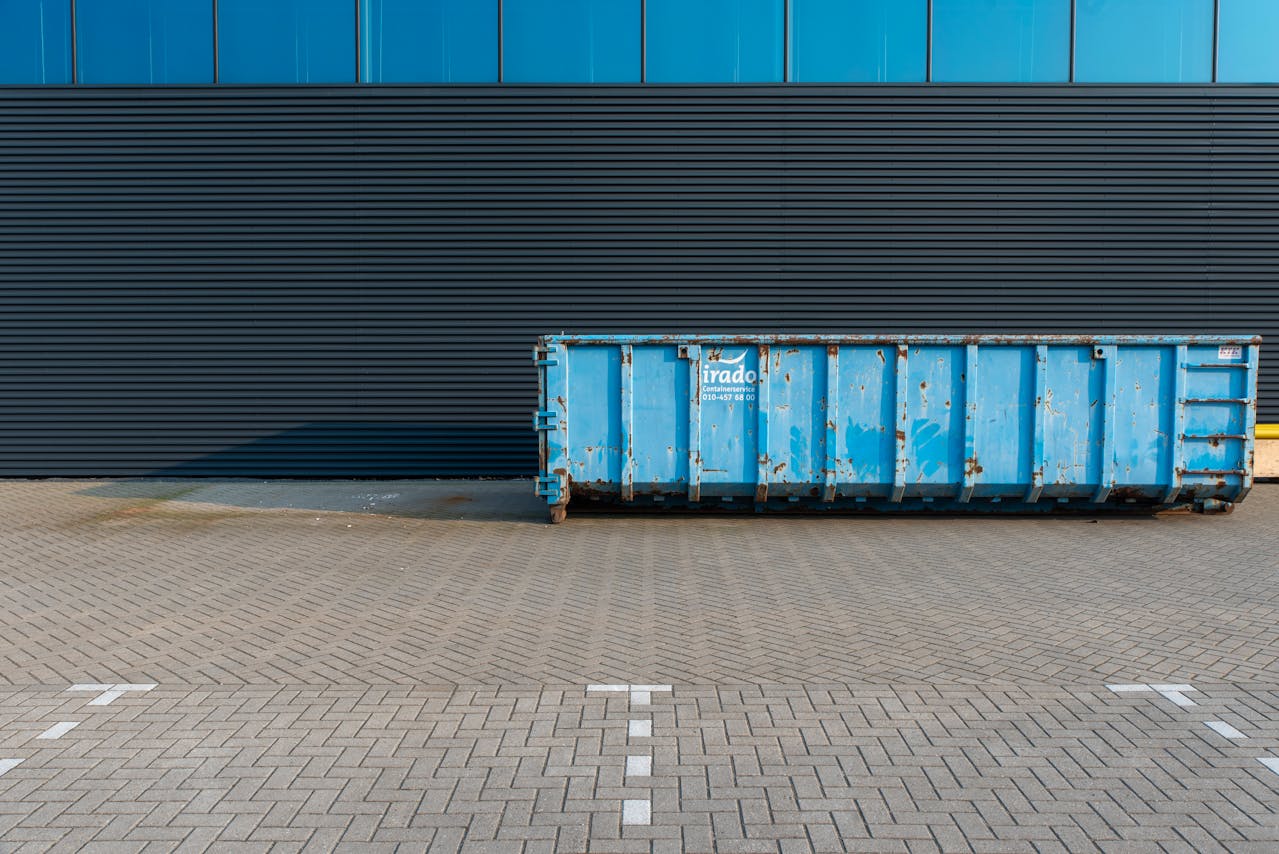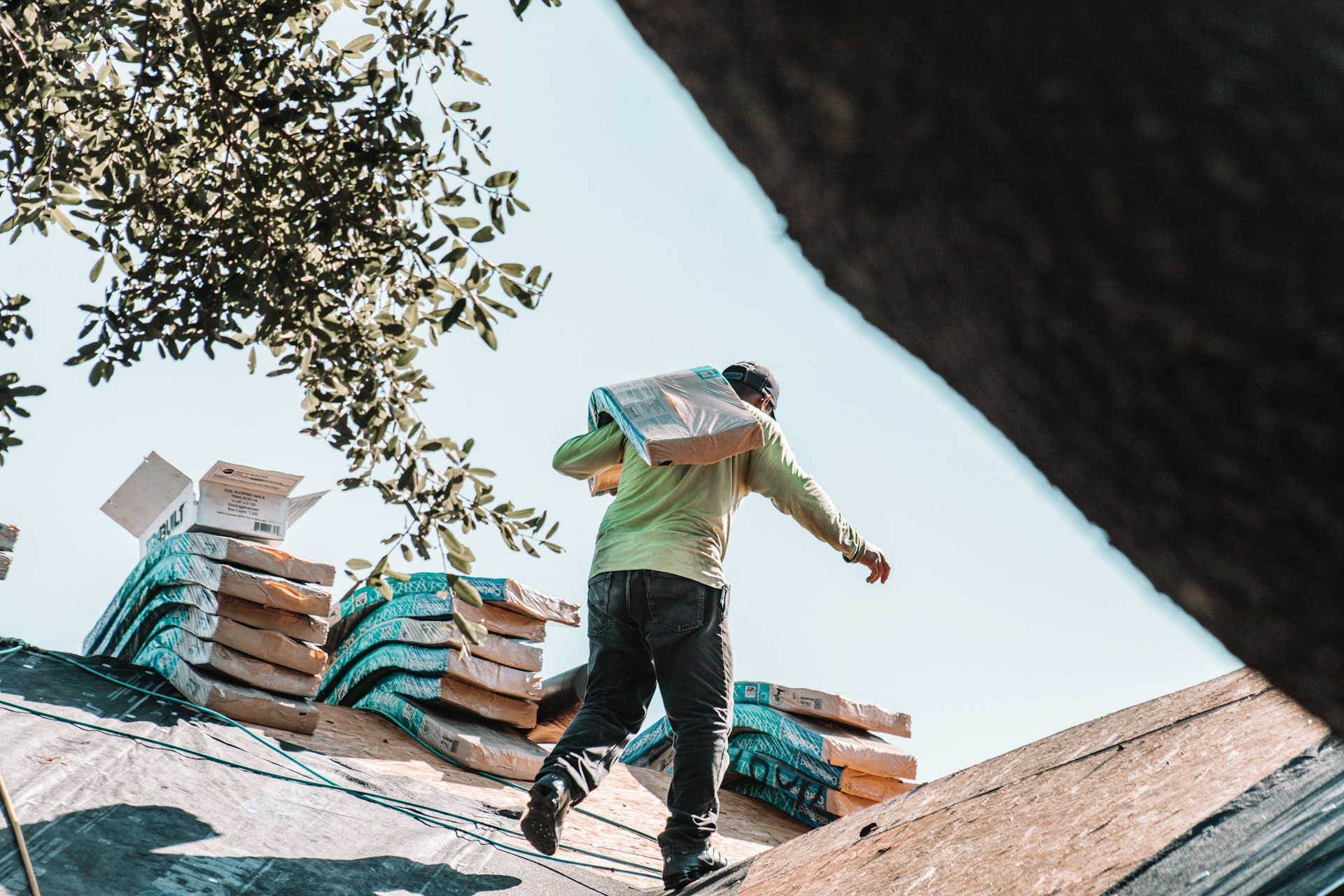
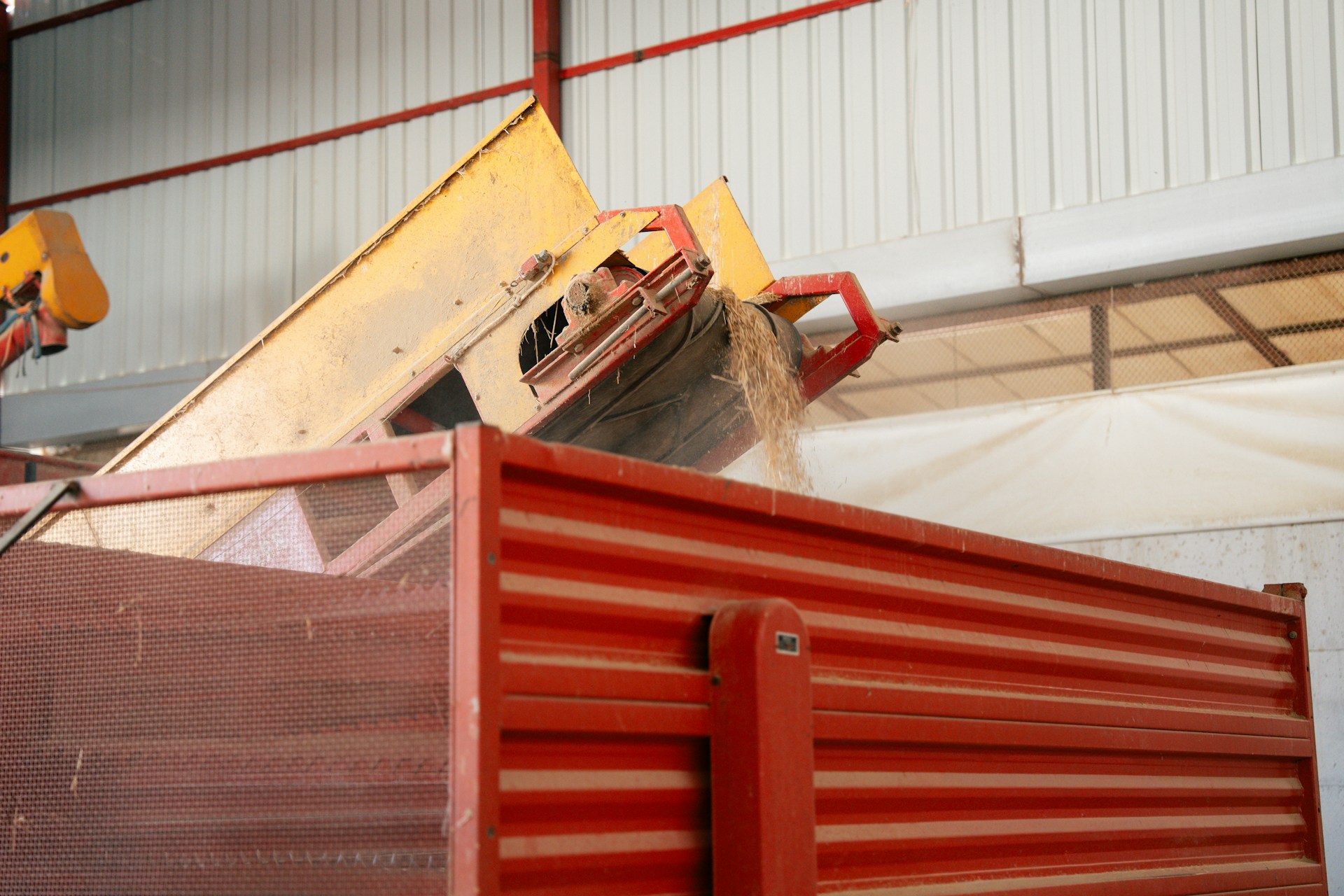
Renting a roll-off dumpster might sound simple at first. You call to book it, someone drops it off, and you fill it. But when waste starts piling up and the bin isn’t being used the right way, problems start to show up fast. That’s especially true in places like Daviess County during December, when yards get muddy, pickup areas get slick, and timing matters. A little planning can go a long way in making your roll-off rental more effective.
From choosing the right size to making sure the dumpster is easy to access when it’s time to haul it away, each step plays a part. Mistakes cost time and money. And no one wants to be stuck with extra charges or waste sitting too long during winter cleanup. Understanding how to manage the rental from the start makes the whole experience smoother and more affordable.
Choosing the Right Size Dumpster
Before you even schedule a drop-off, picking the right size is the first choice that can affect everything else. What you’re hauling and the space available at your site both matter. If the dumpster’s too small, you may need an extra pickup. If it’s too big, you’re paying for unused space and dealing with a bulkier drop-off.
Here are general tips to help figure out what might work best for different kinds of jobs:
– Small projects like home cleanouts or garage clearing: A 10- or 15-yard roll-off might be all you need.
– Mid-size work like roof tear-offs or kitchen remodels: A 20-yard option usually handles this type of debris.
– Larger jobs such as construction or estate cleanouts: A 30- or 40-yard dumpster helps avoid the need for multiple pickups.
Let’s say you’re cleaning out a backyard shed, but you also start tossing junk from the basement. Suddenly, that 10-yard bin fills up twice as fast. Now you’re stuck deciding whether to cram the rest in or call for a pickup earlier than planned. Going with a bit more space than you think you’ll need often pays off.
Taking some time to estimate the total volume of your waste helps keep things moving. If you’re deciding between two sizes, it’s usually better to choose the larger one. It can save you from headaches later if your project grows beyond what you expected.
Preparing the Site for Delivery
Once you’ve picked your dumpster size, it’s time to figure out where it should be placed. This part matters a lot, especially in winter. Rain and snow can cause the ground to soften or freeze, which can make delivery tricky and even create safety problems.
Get your site ready with these pointers:
1. Clear any low-hanging branches or wires that may block delivery access.
2. Pick a flat, stable spot like a paved driveway or gravel surface.
3. Stay away from lawns or soggy ground that can’t support the weight.
4. If snow or ice is expected, pre-shovel and salt the area ahead of time.
5. Make sure there’s plenty of space for the truck to back in without tight turns.
If your layout includes steep slopes or narrow spaces, take a walk-through to find the best place for the drop. That way, when the truck arrives, the driver will know exactly where to go, and there’s no confusion or last-minute scrambling.
Good prep keeps things on schedule and helps make pickup easier too. It prevents the dumpster from sinking or ending up in hard-to-reach spots. In places like Daviess County during December, frozen mud or heavy snowfall can quickly turn that delivery into a challenge.
Efficient Loading Tips
Loading your dumpster smartly can save space and time. It’s all about planning how items go in. That makes sure everything fits and stays stable when it’s hauled away. You don’t want to get halfway through and realize it’s overloaded or packed unevenly.
Try these tips to load your dumpster more effectively:
1. Break down large items before tossing them in. Flatten boxes or take furniture apart to help make the most of the space.
2. Place heavy items at the bottom and load evenly from side to side. This helps balance the container and keeps it safe during transport.
3. Start with the biggest items first, then fill gaps with smaller waste. Think of it like stacking puzzle pieces.
4. Don’t overfill the dumpster. Leave everything below the fill line so it’s safe and secure when transported.
5. Make sure the door stays accessible and can close fully when you’re done loading.
For example, if you’re clearing out a garage, begin with bulky pieces like an old desk or cabinets along the bottom. Then use smaller items like paint cans, tools, or loose junk to fill the gaps. That steady base keeps things from shifting and helps your load stay balanced.
Scheduling Pickup and Avoiding Extra Fees
Once the job gets going, you’ll want to avoid hiccups that cost extra money or slow you down. One of the easiest ways to do that is by scheduling your dumpster pickup at the right time.
Start by thinking about how long the work will take. Add a buffer for unexpected delays so you’re not rushed. It’s better to plan for a few extra days than to go over your rental period and pay late fees.
Talk to your dumpster provider and confirm your delivery and pickup dates clearly. If anything changes, let them know as soon as possible to avoid confusion or missed appointments. If your project takes a sudden turn and becomes larger, call and update them so they can plan a second bin or an early pickup.
Know your rental terms before starting. Learn the weight limits and allowed rental period. If there’s a fee for going over weight, plan accordingly by spacing out heavier items or checking the weight as you go.
This kind of planning not only saves money but helps the cleanup run smoothly from start to finish.
Smart Waste Handling Starts Here
Using your roll-off dumpster the right way starts well before it’s dropped off. Whether it’s a home cleanout or a construction project in Daviess County, success depends on preparation and smart decisions along the way.
Choosing the correct dumpster size saves repeat trips and money. Getting the delivery site ready avoids delays, especially during winter months when extra effort can make a big difference. Loading the container with care makes pickup safer and more efficient. And staying on top of your schedule helps avoid extra costs and headaches.
At Local Waste Solutions, we’ve seen how good planning can lead to smoother projects and less stress for everyone involved. With a little extra thought before and during your rental, you can make the most out of every haul and keep your project moving without roadblocks.
For efficient project management in Daviess County, turning to experienced professionals makes all the difference. If you’re looking for dependable service and straightforward pricing, a roll-off dumpster rental with Local Waste Solutions can help keep your cleanup moving without the hassle.