Dumpsters

Solving Business Dumpster Location Problems

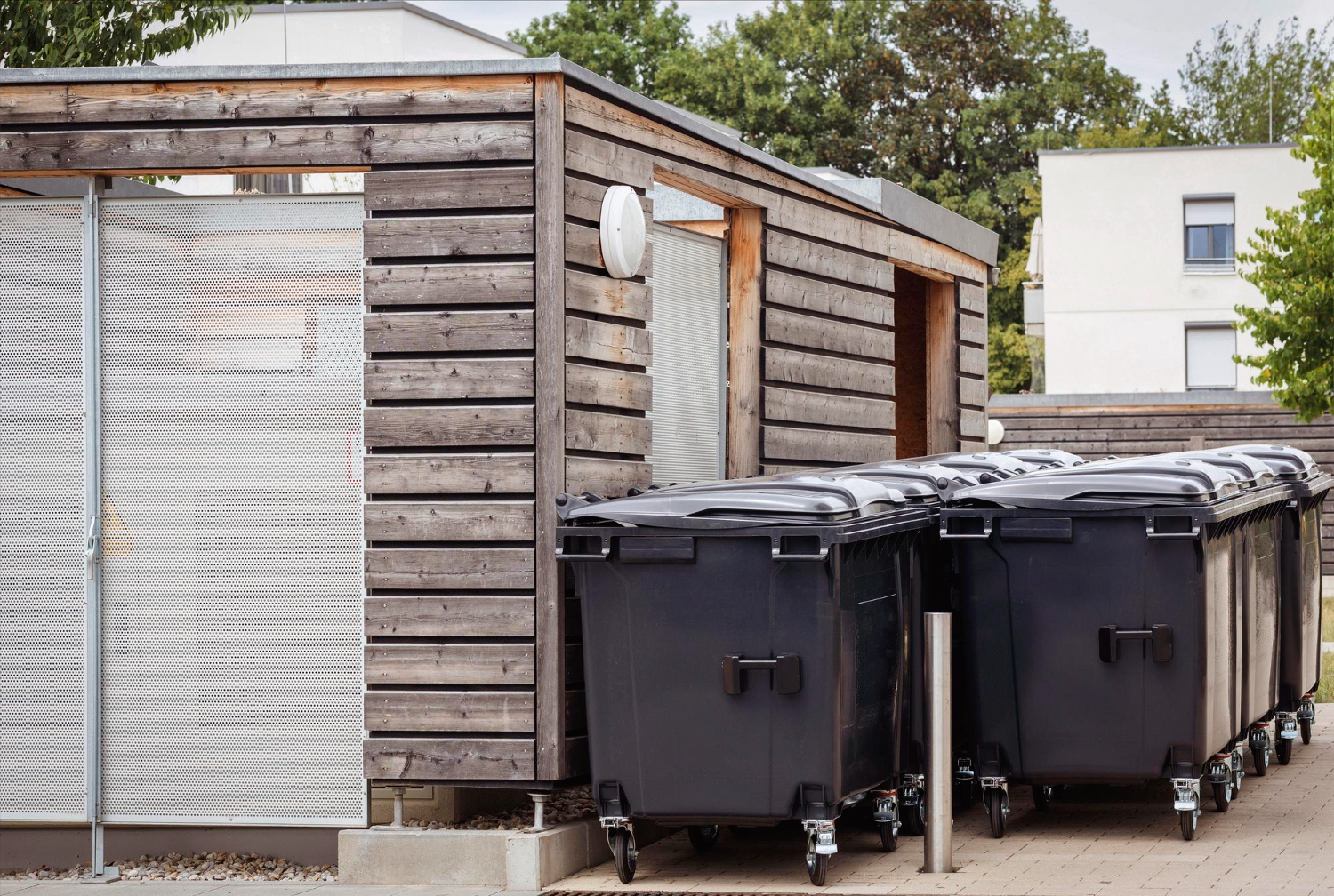
When it comes to keeping a commercial property clean and running smoothly, where you place your dumpster is more important than most people think. A poorly located dumpster can block traffic, create unpleasant smells near customer entryways, or slow down your crew’s workflow. Even worse, it can lead to missed pickups if waste collection trucks can’t get to it easily. All of this builds up to lower efficiency and more frustration.

Every business site in Owensboro is different. Whether it’s a small restaurant downtown or a commercial warehouse on the edge of town, each has its own layout, waste stream, and space limits. That means solving dumpster location problems isn’t about one-size-fits-all rules. You’ll need to look at your setup, think practically, and make a plan that supports your everyday work instead of getting in its way.

Understanding Your Site Layout

Before choosing a new dumpster spot or adjusting your current setup, take a walk around your property and look at things from a fresh angle. A lot of issues with dumpster placement come from working around convenience instead of planning for the long haul. The first step is figuring out where your limitations are and how to work with them.

Start by identifying areas that already get a lot of foot traffic. Placing a dumpster too close to these spots can lead to clutter, safety hazards, or bad smells near doorways and loading docks. The goal is to keep waste collection from interfering with business as usual.

Also, consider how your waste hauler will access the dumpster. If the container sits in a tight corner or behind parked cars, the truck may have trouble completing a pickup. Repeat problems like this often lead to overflow and delays that affect more than just your trash area. To make placement decisions easier, ask yourself things like:

– Is the dumpster easy to reach from the main work or prep areas?

– Does it sit on level ground, away from slopes or drains?

– Can a waste pickup truck reach it without moving other objects?

– Is the path to the dumpster safe for your team to walk and use?

One business in Owensboro running a multi-unit commercial property decided to place their shared dumpster behind the building in a gravel pit. It sounded ideal at first since it was out of sight from the road. But after a few good rains, the area flooded, trucks struggled to access it, and tenants had to walk through mud just to take out trash. A simple shift to a paved side lot closer to the driveway and grading the surface saved time and headaches.

Laying out your space with garbage flow in mind, just like foot or vehicle traffic, keeps your setup clean and your team focused.

Choosing The Right Dumpster Size And Type

Once you know your best possible location, make sure your dumpster setup fits your actual usage. Too many businesses stick with a dumpster size that’s either way too small or bulky beyond what’s needed. This mismatch can lead to overflow or wasted space, both of which cause problems down the line.

Here’s how to make a better choice:

1. Look at how much waste your business produces in an average week.

2. Track what type of materials go into the dumpster: cardboard, food waste, plastics, packaging, or something else.

3. Decide whether a front-load or roll-off container fits your space better.

4. If you recycle, consider using separate bins to make sorting easier.

For places dealing with dense materials, like a retail remodel or manufacturing site, a low-profile roll-off might be the better option even if pickups are more frequent. On the other hand, a daily service restaurant might benefit from smaller bins paired with increased pickup rates.

Dumpster size also affects where you can place the unit. A large container might take up several parking spaces or block visibility near busy exits. A smaller one needs to be placed closer to waste sources to stay efficient.

Understanding your weekly waste volume and checking how full the dumpster gets before every pickup helps avoid overflow surprises. It’s a lot easier to stay ahead of things when you don’t have to scramble for space before the weekend rush or large deliveries arrive.

Strategic Dumpster Placement Tips

Once you’ve chosen the right dumpster size and type, finding the best spot for it makes a big difference. It’s not just about sticking it behind the building and forgetting about it. You need a location that works both for your day-to-day team and for trash pickups.

Start with convenience. Position dumpsters near spots where most of your waste is made. For example, if you’re running a restaurant, it helps to place the dumpster near the food prep area. That cuts down the chances of spills during long trips and keeps things efficient. If your business involves a lot of packing and shipping, putting the dumpster near the receiving dock might save labor time.

Always place your containers on level ground to avoid tipping or uneven wear. Areas that slope, flood, or get muddy create a whole new set of problems. Level pavement or gravel that drains well will make things easier and safer.

Access paths are just as important. A waste truck needs enough room to drive up, lift the dumpster, and safely pull away. If they have to navigate behind a fence or around parked cars, those delays can lead to missed pickups. That’s when overflow and complaints usually start rolling in. Clean, obstacle-free access is key. As the seasons change, double-check that rising snow piles or fast-growing brush haven’t created new challenges.

Scheduling Regular Pickups

Finding a good schedule for your waste pickups is the next step. Even a perfectly placed and sized dumpster won’t do its job if it overflows by midweek. The right schedule helps your business stay looking sharp and avoids wasted staff time dealing with messes.

Pay attention to your busy times. Is there a big rush on weekends? Do you get a surge in customers during holidays or events? A boutique might have steady waste loads most of the year but need more pickups during festivals. A production facility may require daily pickups to keep pace with manufacturing demands.

Here’s how to fine-tune your pickup schedule:

– Use your current fill levels to guide frequency.

– Set extra pickups during peak seasons or special events.

– Stay in contact with your waste team to adjust as your needs shift.

The goal is to stay ahead of waste buildup without overpaying for pickups that aren’t needed. A little attention and coordination go a long way in making your system work smoothly.

Keeping Your Business Site Tidy

A clean waste area leaves a great impression on customers and keeps things safe for your workers. It all starts with keeping that space clear and controlled.

Train your team to use dumpsters the right way. Make sure trash bags go inside the container, not beside it. Enforce recycling rules if you have bins for different kinds of waste. Put up signs if needed and check in with your crew regularly to make sure everyone follows the routine.

Walk the site a few times a week to see how things look. Is trash blowing out of the bins? Are there bags stacking up outside the container? A little attention now prevents bigger problems later, like pests, odors, or complaints from neighbors. And when the waste area looks neat, the whole business feels more put-together.

Make Dumpster Planning Work for Your Business

Smarter waste management starts with something as simple as where you put the dumpster. Once you’ve figured that out, it’s easier to match size and schedule, and build a system that doesn’t just manage trash but supports your whole business.

You don’t need a complicated plan. Just a space that works, a good routine, and someone you can count on to keep things moving. Thoughtful placement and regular service mean fewer interruptions and a cleaner, more organized site.

Taking the time to reevaluate where your dumpsters are sitting and how they’re being used can save you money and stress in the long run. Owensboro businesses can benefit from a setup that works with their layout and waste flow instead of against it. A little planning now helps keep your team efficient and your customers happy.

To keep your Owensboro business operating smoothly while maintaining a tidy environment, align your waste management strategy with your operational needs. By focusing on strategic placement and regular pickups, your waste solution will be more efficient. For a personalized approach to managing your refuse, explore our services at Local Waste Solutions. Learn more about how our tailored commercial dumpster service can meet your specific business requirements.
Dumpsters

Making Your Dumpster Delivery Smoother

Dumpster delivery shouldn’t feel like a guessing game. Businesses across Owensboro rely on dependable container drop-offs to keep their projects moving and their properties clean. But without a little preparation, what seems like a simple drop-off can turn into a frustrating tangle of delays and confusion. Where the dumpster sits, how it gets there, and your team’s ability to access it all play a big part in how smoothly things go.

Poor planning can lead to blocked entryways, missed deliveries, or damage to property. If a truck can’t make a clear path onto your site, your delivery could be delayed by hours or even days. And if your team isn’t ready for the drop-off, you might find the dumpster ends up in the wrong spot, causing more work down the road. Thinking ahead saves time and avoids headaches once the dumpster arrives.

Assessing Your Site for Delivery

Before scheduling any dumpster drop-off, it’s a good idea to walk through your property and figure out the best place for it. While it might be tempting to just tuck the dumpster out of sight, the right spot takes more than aesthetics into account.

Some things to review ahead of time:

– Clearance Space: Make sure the delivery area has at least 14 feet of overhead clearance. Watch for low-hanging powerlines, tree branches, or building overhangs.

– Turning Radius: Dumpster trucks are longer and wider than standard vehicles. Give enough room for them to turn, especially if your site has corners or fencing that limits access.

– Surface Type: Dumpsters should rest on flat, hard surfaces like asphalt, concrete, or compact, level gravel. Avoid soft ground, which can shift under the container’s weight.

– Drainage Considerations: Place the dumpster in a spot that doesn’t flood during heavy rain. Standing water makes loading difficult and shortens the life of the container.

If your lot is tight or shared with other businesses, a quick sketch of the layout can be helpful. Mark utility access points, overhead obstructions, and high-traffic paths. This gives the driver a better idea of where and how to place the dumpster safely. An Owensboro property manager once placed a roll-off near a narrow gate, only to find out later that the garbage truck couldn’t turn in at the right angle. A short planning session could’ve prevented it from happening.

Thinking through these details beforehand is the best way to avoid delays or costly site repairs.

Preparing for Dumpster Delivery

Once you’ve found the ideal spot, take steps to make sure the area is ready. The goal is to make it as easy as possible for the delivery crew to pull in, drop off, and drive out without problems.

Here’s a short prep checklist to follow:

1. Clear the Drop Zone: Remove any debris, equipment, or vehicles from the area. Make sure the path in and out is open for the truck.

2. Mark the Position: If you’re not going to be on-site, use cones, chalk, or flags to mark where the dumpster should go.

3. Secure Permissions: If you’re placing the dumpster on a public street or shared driveway, check if any permits or approvals are required.

4. Keep in Contact: Let your waste provider know about any special site features they should be aware of like tight turns, slope, or time restrictions for delivery.

5. Block Off Delivery Times: Keep employees, guests, and customers away from the drop-off zone during the scheduled time.

It’s also smart to double-check weather conditions. Rainy and icy conditions in late October around Daviess County could complicate delivery on dirt or grassy surfaces. If there is a storm in the forecast, discuss alternate surfaces or rescheduling, especially to reduce slip risks on wet pavement.

Spending some time preparing your location makes it easier for everyone involved and lowers the chance you’ll have to move the dumpster later. And better planning up front always makes cleanup faster when the job is done.

Coordinating with Your Team

Having everyone on the same page avoids chaos when your dumpster arrives. Ensure your team knows the delivery schedule so they can adjust their tasks as needed. This way, they won’t be caught off guard when the truck backs in, and necessary pathways are open for smooth access.

Designate a specific team member as the contact person for the delivery day. This individual will be responsible for guiding the driver, handling any last-minute queries, and ensuring everything goes as planned. Choose someone who’s familiar with the layout and can communicate effectively. This reduces the chance of misunderstandings and ensures the delivery crew gets clear instructions.

A pre-delivery meeting might be handy too. This allows you to go over the placement plan, address concerns, and confirm that everyone understands their roles. A retail store in Owensboro found that a quick morning meeting before deliveries kept things running smoothly. Once the owner made these meetings a regular part of their routine, delivery-related issues almost vanished.

Maintaining Efficient Waste Management Post-Delivery

Once the dumpster is in place, your focus should shift to managing it effectively. It’s easy to forget about the dumpster once it’s full, but setting up a regular pickup schedule is key to preventing overflow. No one wants to deal with a mess that spills over, creating extra cleanup work.

Check for optimal pickup days based on your need. Maybe your business requires weekly service or just a once-a-month check if you’re in a slower period. Discuss these needs with your waste provider to establish a pattern that fits your operations without having waste pile up.

Keeping the area around the dumpster tidy is just as important. An uncluttered space not only keeps things safe, it also enhances efficiency in your workflow. Have employees monitor the area regularly, paying attention to overgrown weeds, loose debris, or materials that could trip someone up.

Being proactive about waste management contributes to a safer and more efficient working environment, ensuring everything runs smoothly after the dumpster has been delivered. A well-managed site also speaks volumes to customers and visitors, presenting a clean and organized impression.

Keeping Your Dumpster Setup Hassle-Free

Proper preparation makes all the difference when scheduling dumpster delivery in Owensboro. By investing time upfront to assess, plan, and coordinate, you set the stage for simplicity and success. Having a solid strategy in place eliminates surprises and keeps everything running without a hiccup.

Ensuring a seamless delivery process doesn’t just help your day-to-day operations, it also minimizes disruptions that can affect your timeline. All these steps, from coordinating with your team to scheduling regular pickups, play a role in maintaining that smooth flow. Getting your dumpster setup right from the start makes tackling waste management a much easier and stress-free task.

If you’re looking to keep your cleanup simple and your project on schedule, take a look at our reliable options for dumpster delivery in Owensboro. Local Waste Solutions is here to help you plan ahead and keep things running smoothly with dependable service every step of the way.

Dumpsters

Dealing With Mixed Construction Materials

Managing construction waste might seem like just another box to check off the to-do list, but when different materials pile up together, the job gets more complicated than it needs to be. Between drywall scraps, chunks of concrete, wood scraps, and wire trimmings, things can go from manageable to frustrating fast. Mixed materials slow down cleanup, clutter walkways, and put workers at greater risk of injury. And with tight deadlines and shifting weather in late October, there isn’t room for wasted time on a cluttered job site.

Handling these waste piles correctly matters more than most people think. When materials get sorted and hauled off the right way, work runs smoother and faster. Crews aren’t stepping over debris, dumpsters get filled more efficiently, and usable space stays usable. For projects wrapping up before winter starts rolling into Owensboro, keeping the site clean and clear gives your team a strong finish and saves you hassle when it’s time to prep for the next job.

Identifying Different Types Of Construction Materials

One of the biggest issues on a construction site is figuring out what to do with all the different types of waste. Not everything can go into the same pile. If you don’t take the time to sort materials, it makes disposal harder, more expensive, and more time-consuming later. Before doing anything else, it helps to understand what kinds of materials you’re dealing with.

Here are some of the most common types found across job sites:

– Wood: framing scraps, plywood sheets, pressure-treated boards

– Metal: nails, copper wires, piping, metal studs

– Concrete: chunks of old slabs, blocks, or poured mix

– Drywall: broken panels, powder, and offcuts

– Cardboard and packaging: leftover boxes from shipments or insulation wrap

– Plastics: piping or sheeting, paint buckets

– Glass: window panes or broken fixtures

The first step in handling them properly is knowing what can be recycled and what can’t. For example, untreated wood and clean cardboard usually can be recycled. Painted materials or pressure-treated lumber, though, might need different handling. If you’re working on a large site with several trades happening at once, it’s easy for the lines to blur, especially when everyone piles waste in the same spot. That’s when things become a mess to clean up and a hazard for anyone walking through.

One Owensboro builder shared a tip that worked well: use color-coded bins or signs so workers know where to toss what. Having a spot near each major work area kept people from hauling trash across the site, and it helped limit the mix-ups that happen when everything gets thrown together without thinking.

The Importance Of Segregating Materials

Once you’ve identified the different types of construction debris on-site, the next step is making sure those materials don’t end up piled together. Mixing waste might save a little time up front, but it adds more work later, especially when trying to stay organized and reduce the amount of garbage sent off to landfills.

Here’s why separating materials makes a difference:

  1. Keeps reusable materials clean. If wood or cardboard gets soaked with oil or paint, it’s harder to reuse or recycle.
  2. Cuts down on hazards. Sharp metal hidden in drywall chunks or nails stuck inside wood scraps can lead to cuts or flat tires.
  3. Helps you load dumpsters more efficiently. Having large items in one place and smaller scraps in another prevents wasted space.
  4. Speeds up final cleanup. Once a job wraps, sorted waste means you won’t spend hours picking through piles to figure out what goes where.
  5. Makes disposal cheaper and simpler. Some places charge more for mixed loads or won’t take them at all.

On a larger job site, waste can feel like it piles up overnight. With separation built into your daily workflow, you stay ahead of the mess instead of playing catch-up.

Try laying out zones where workers dispose of different types of debris. It doesn’t have to be complicated. Just having different bins or designated corners for each material type keeps the process simple and helps prevent accidents that come from messy, cluttered workspaces.

Using Construction Waste Dumpsters

Construction waste dumpsters are unsung heroes when it comes to efficiently managing mixed materials. They offer a convenient way to keep all waste contained, making it easier to sort and transport off the site. Choosing the right dumpster size and type for your project can make a big difference in how smooth the cleanup process goes.

When selecting a dumpster, think about the variety and volume of materials you’ll be dealing with. Larger projects with more kinds of waste might need more than one dumpster to stay organized. This helps promote better recycling and keeps you from ending up with a big mess. Getting the right size also means fewer trips to empty it, which saves time and cuts down on delays.

To get the best use out of your dumpster, consider these quick tips:

– Break down large items to make better use of space.

– Put heavier stuff at the bottom for a stable load.

– Stay under the fill line to avoid extra charges and safety risks.

These small steps go a long way in helping Owensboro job sites stay clean and efficient.

Scheduling Regular Waste Pickups

It’s easy for waste to build up fast, especially on large-scale jobs. Setting up regular pickups keeps the site clear and the project moving forward. Overflowing dumpsters can hold up the work, create problems for crews, and break local rules if they aren’t handled in time.

A consistent schedule makes staying on top of cleanup second nature. Knowing exactly when waste will be removed helps teams plan smoother around that process without last-minute scrambles. This leads to better results overall. Working with a dependable service keeps these pickups on track without extra stress.

A cleaner work area also means happier workers. When they’re not dodging piles of debris, people can focus better and move more smoothly through their tasks. That’s why keeping pickup appointments is more than just routine – it keeps whole worksites running better.

Encouraging Worker Participation In Waste Management

Getting your crew involved in the waste process helps maintain a cleaner job site. When workers know how to handle materials the right way, clean-up isn’t just faster, it’s also safer and better for everyone.

Start with simple training that covers what gets separated and where. Make it part of onboarding if possible, and do occasional refreshers. When routines are clear, nobody’s guessing what to throw where. That consistency is what makes long-term habits stick.

You can also add small rewards to recognize tidy behavior. This doesn’t have to be anything big. Even just a shoutout during meetings or a clean crew challenge for the month can go a long way in encouraging people to stick to it.

Finally, keep an eye on how it’s all going. If bins are getting mixed up again or if workers are starting to skip steps, talk to the team directly. Lean into feedback and work with crew leads to make fixed habits part of the daily rhythm.

Helping Clear the Way for Owensboro’s Construction Success

Taking the time to handle mixed construction materials responsibly has a big impact. For Owensboro jobs trying to close out smoothly before winter kicks in, a tidy site gives you the upper hand. With better waste sorting, the right dumpsters, regular pickups, and active worker involvement, site management gets more efficient and a whole lot easier to deal with.

Planning for proper waste handling from the start can set you up for success. When your team knows what to do and has the supplies to do it right, cleanups stop becoming a hurdle and just happen naturally. That gives your workers more room to focus and lets every part of the project move forward without the interruptions caused by mess.

Clean, safe, and well-managed Owensboro job sites are within reach when everyone plays their part, and the tools are set in place to help them do it.

Using a construction waste dumpster in Owensboro can help you keep your site clean, organized, and ready for the next phase. Local Waste Solutions is here to make that process smoother with reliable service you can count on.

Dumpsters

What To Do When Project Waste Exceeds Expectations

Sometimes, even with the best planning, a construction project in Owensboro can produce way more waste than expected. A few extra pallets, some ripped plastic sheeting, broken concrete, packaging scraps—it adds up fast. That small pile in the corner can turn into a site-wide issue overnight, dragging down your progress and making the space harder and more dangerous to work in.

Some jobs shift suddenly. Weather delays, unexpected changes in material, or overlapping trades can leave you scrambling to clean up what you didn’t budget space for. This is when having a flexible plan for waste really helps. You can’t always predict how much debris a job will produce, but you can control how you handle the overflow. If you’re a contractor trying to keep your Owensboro site clean and productive, knowing your next steps can save hours down the road.

Assess the Extra Waste Clearly and Quickly

When you realize waste is building up fast, don’t let it sit. The first step is to take a close look at what kind of materials are piling up and how much you’re actually dealing with. Skipping this step could lead to underestimating your container needs, which causes even more delays later.

Walk the site and take note of:

– The types of waste: wood scraps, broken bricks, drywall, unused materials, packaging, and so on

– Where the waste is located: scattered debris adds cleanup time and safety hazards

– How fast it’s accumulating: are you midway through the schedule, or closer to the end?

– Who’s causing it: is it a specific subcontractor, or is waste being left by multiple crews?

This information will help you quickly decide what action to take next. If it’s a smaller job that suddenly swelled a bit, an extra pickup might take care of the issue. But if it’s a larger site with ongoing phases, adding dumpsters or more frequent hauls could be needed.

One commercial renovation job in downtown Owensboro learned this firsthand. They planned for only two waste hauls. But once walls started coming down, bulky flooring, metal siding, and framing debris backed up the space quickly. Walkways got blocked, and workers had to clear paths just to move materials. The project stalled for two days before they brought in extra dumpsters and divided the waste by type.

It helps to plan ahead, but more importantly, have a system in place for quick waste-related decisions when the unexpected happens.

Upgrade Your Dumpster Setup

Now that you know what kind of waste you’re dealing with and how much, think about whether your current dumpster setup makes sense. Owensboro construction activity stays strong through fall, so if your deadline is before winter weather sets in, handling surplus debris quickly makes a big difference.

If original estimates fall short, try these adjustments:

  1. Swap for a bigger container. If you’re filling your current dumpster fast, moving to a larger size may prevent multiple early pickups.
  2. Add a second or even a third unit. This lets you delegate waste types and avoid overfill risks, while improving safety by clearing clutter from paths and workspaces.
  3. Split waste by material. Use one dumpster for heavy loads like brick, concrete, and stone, and another for general debris. This can make disposal easier and might even cut down on disposal costs depending on your provider.
  4. Place dumpsters near specific work areas. For multi-zone sites, placing containers close to work saves time and lowers the effort involved in moving debris around.

Choosing the right setup depends on both the volume and the type of waste you have. If you’re regularly maxing out weight because of brick or tile, consider a low-boy roll-off that has shorter walls but can handle denser loads. If your site mainly generates packaging or broken drywall, a high-sided container could give you more space.

When contractors in Owensboro act early and shift to the right setup, they save more time overall and avoid repeat cleanups. A smarter setup means less stopping, less frustration from piled-up waste, and fewer surprises at the end of the day.

Efficient Waste Segregation

Once you’ve adjusted your dumpsters, waste segregation is the next step that really matters. Sorting materials saves space, speeds up disposal, and boosts recycling use. It’s also safer for everyone on the job.

Simple ways to manage segregation:

– Identify recyclables early. Things like clean metal, cardboard, and plastics can be separated right away. You’ll save landfill space and might even cut out unnecessary disposal fees.

– Keep hazardous waste isolated. Paints, adhesives, batteries, or any chemical-based items should never mix with regular waste. Set a clearly marked area for these and make sure crews know where it is.

– Label workspace disposal areas. Set up bins or zones marked for separate waste. Lumber, drywall, metal, packaging—each one having its own space helps avoid mix-ups and encourages crews to be more mindful during cleanup.

Sites that encourage proper disposal tend to stay cleaner. It shows up not just in your productivity, but in the way the jobsite feels day to day. It also helps haul-off crews move faster since disposal becomes simpler when the waste is already sorted.

Scheduling Extra Pickups

If your dumpsters are set and waste is being sorted, your next move is making sure it doesn’t stick around too long. Regular pickups are key to keeping things running smoothly. Whether you need them weekly or at custom intervals, this step takes pressure off your crew.

Benefits of extra pickups:

– Prevent pile-ups that create real safety concerns. Too much trash can block access, trip workers, and slow things way down.

– Adjust your plan as the project shifts. Maybe demolition starts weeks earlier or more trades show up ahead of schedule. Flexible pickup scheduling helps eliminate waste-related choke points.

– Improve the appearance of your jobsite. A neater site keeps neighbors happy and makes your crew’s job easier without debris getting in the way.

Local contractors who coordinate pickups during heavy project phases are often the ones who stay ahead. Waste removal isn’t just about loading and hauling—it’s about timing it right, too.

Keeping Owensboro Project Sites Manageable and Clean

When your construction site starts creating more trash than expected, there’s no time for guessing games. You need a clear look at your waste situation, a better dumpster setup, solid sorting habits, and pickup scheduling that actually keeps up with your pace.

Getting each of those pieces right helps your workflow stay steady. By planning smarter and reacting quickly, you avoid the cost and hassle of overflow issues. A clean site boosts morale, prevents backlash from delays, and lets your crew wrap up without tripping over yesterday’s debris.

Owensboro contractors face a busy fall season. Keeping your site clean, on time, and safe all starts with acting fast when your debris load spikes. Focus on how you organize and remove waste, and you’ll spend less time fighting clutter and more time moving the job forward.

If you’re dealing with more debris than expected on your job site, finding the right waste solution can help keep things moving smoothly. Explore your options with dumpster rental for contractors in Owensboro and manage overflow without slowing down. Local Waste Solutions is here to support your cleanup with reliable service and flexible options.

Dumpsters

Making Your Construction Site Cleaner And Safer

Construction work comes with its fair share of risks and mess. Between piles of debris, scattered tools, and constant foot traffic, it doesn’t take much for things to get out of hand. A cluttered site leads to higher chances of slips, cuts, or worse. That’s why keeping a clean and safe environment isn’t just about staying organized—it’s about protecting every person on the job site.

Good waste handling plays a big role here. One container in the right place can make work smoother and safer for everyone. From where dumpsters sit to how frequently they’re emptied, small decisions have a big impact on how your construction site in Owensboro runs day to day. Here are some practical ways to keep your project area tidy, safe, and more efficient using smart waste practices.

Proper Waste Segregation Improves Cleanliness

Construction sites deal with all kinds of debris, from broken drywall and wood scraps to empty paint cans and food wrappers. If all of that ends up in one big pile, it doesn’t just make the space look bad, it also slows crews down and creates safety issues. Taking time to separate waste helps keep things under control.

Here’s why sorting materials makes a difference:

– It clears walkways and open areas

– It makes it easier to recycle materials like metal, cardboard, or clean wood

– It prevents dangerous items like nails or sharp metal edges from mixing with general trash

– It reduces cleanup time when the job wraps up

A solid way to start is by labeling bags or bins based on their purpose. One for recyclables, one for landfill waste, and others based on your site’s specific needs. Keeping these containers close to where the waste is created saves time and keeps the area from turning into a dumping ground. For things like concrete rubble or drywall, setting aside a specific container keeps the bulk out of sight and makes later disposal much easier.

One framing crew in Owensboro added separate containers near each building section, which helped them stay cleaner and avoid working over piles of wood shavings or torn packaging. It also made the process feel more organized. When workers know what goes where, there’s less confusion and fewer hazards underfoot.

Smart Dumpster Placement Prevents Hazards

The location of dumpsters on a job site can either help your crew work more smoothly or end up getting in the way. Dumpsters need to be placed where they’re easy to reach, but not so central that they block trucks, load-in areas, or walking paths.

Getting dumpster placement right means focusing on a few important things:

1. Accessibility – Pick a location that’s near where most of the debris is generated. The closer it is, the less time your team spends dragging waste across the site.

2. Out of Traffic Flow – Avoid placing dumpsters where workers walk frequently or where heavy machinery needs access. Too many people walking around a poorly placed container increases risk.

3. Clearance Space – Make sure there’s room to open the dumpster lid and toss material safely without needing to climb or stretch awkwardly.

4. Ground Stability – Place dumpsters on firm, flat ground so they don’t tilt, slide, or damage the surface underneath.

Look at your site layout and decide where dumpsters make the most sense. It often helps to reevaluate each week or after major changes in workflow. If the task moves from framing to siding, the waste type and volume change too, and dumpster placement should follow. A well-thought-out location doesn’t just cut down labor time, it also helps prevent injuries caused by cluttered or uneven paths.

Regular Waste Collection Schedules Make a Difference

Establishing a consistent waste collection routine is just as important as the physical layout of your construction site. Regular pickup schedules keep overflow in check and make sure debris doesn’t pile up past the point of control. When dumpsters fill up, messes grow fast. Frequent pickups keep things neat and cut down on rushed cleanups.

Here’s how routine waste collections help:

– Keeps the site orderly and prevents trash buildup

– Reduces odors and pests

– Improves the overall working environment

– Keeps paths and work areas free of clutter

Reliable service from a waste management company means you don’t have to worry about missed pickups or scrambling to clear overflowing bins. Scheduling consistent service makes sure waste never gets in the way of the job. Things flow better when trash removal is already handled. Your crew won’t lose time or feel frustrated from navigating around growing piles of debris.

Promoting Worker Awareness and Participation

Every person on your crew has a part to play in keeping the job site clean and safe. When workers understand the importance of proper disposal and take ownership of it, the results are visible. Clean paths, fewer accidents, and faster progress all stem from a shared effort.

Training and awareness go a long way. Here are a few ways to help the team stay on track:

– Hold short meetings to go over waste disposal instructions

– Post clear signs at disposal areas that show what type of waste goes where

– Make it easy to notify the site manager when bins are full or misplaced

– Offer light incentives or praise for teams keeping their areas clean

This kind of support builds good habits. When a drywall crew tosses leftover scraps directly into the dumpster where they belong, it saves time later and reduces hazards for everyone else. When multiple teams work in the same space, having a shared goal of waste control helps avoid bottlenecks and keeps morale high.

Keep Your Construction Site in Owensboro Safe and Clean

Keeping a job site safe and clean doesn’t happen by accident. It comes from making smart decisions about how debris is handled, where dumpsters are placed, and how often waste is collected. Everyone plays a role, whether they’re part of planning the layout or just making sure scraps go in the right bin.

Simple practices lead to real improvements. Cleaner walkways and work zones lower the risks of injury and boost the speed at which things move forward. A clean site supports a focused and productive work team—and that always shows in the final result.

Make site cleanliness part of your project plan from day one, and keep it in focus until the last sweep of the job. Small steps, done right every day, set up your crew for a successful build in Owensboro.

For construction crews who want to keep projects on time and mess-free, using a construction site dumpster in Owensboro can make all the difference. Local Waste Solutions offers dependable service that helps you keep debris under control and your site safe from start to finish.

Dumpsters

What To Do When Your Dumpster Location Isn’t Working

When a dumpster blocking your driveway feels more like a problem than a help, it might be time to rethink where it’s sitting. Dumpster placement can make or break the pace of a job, whether it’s a home renovation or a cleanup project. One poorly chosen spot can lead to blocked access, frustrated neighbors, and a mountain of trash that’s hard to get to. If you’re working on something in Daviess County and the dumpster isn’t where it needs to be, the whole project starts to feel like an uphill climb.

A good dumpster spot should be easy to reach, safe to walk around, and out of the way. But when space is tight or there are unexpected obstacles like low hanging wires, narrow driveways, or shared walkways, it’s not always obvious where to place one. Figuring it out sooner rather than later saves time, avoids extra work, and helps keep your space from turning into a mess. Let’s walk through some of the most common issues and how to get ahead of them.

Common Problems With Dumpster Locations

When a dumpster is placed in the wrong spot, it shows. You might not notice it right away, but the longer it sits there, the more you realize what a headache it really is. From blocked driveways to dangerously cluttered job sites, poor placement can get in the way fast.

Some of the most common problems people run into include:

– Blocked access points: A dumpster that blocks key paths to a home, garage, or street quickly becomes a problem. Not only does it slow down the work, but it also makes it harder for delivery trucks or emergency vehicles to get through

– Tight space around the dumpster: When a dumpster is wedged into a small area with no room to toss items in safely, it can lead to injuries or extra cleanup. Workers end up walking farther or throwing waste from awkward angles

– Poor site visibility: Dumpsters should always be easily seen to avoid accidents. If it’s placed behind a fence or too close to corners where cars turn, it creates a safety hazard that’s easy to avoid with better planning

– Surface damage: Placing a heavy dumpster on soft ground or old pavement can lead to cracked driveways or soggy lawns. Once the damage is done, fixing it adds more to your project than just time

– Environmental impact: If a dumpster sits on an incline or near a sidewalk, loose debris can spill into surrounding areas, especially during bad weather. This clutters public areas and might go against local rules

All of these headaches can be avoided with a bit of thought before the project kicks off. Taking the time to plan where your dumpster will sit keeps things running smoothly and keeps your neighbors and your crew a lot happier.

Assessing Your Current Dumpster Location

If you’re already deep into a project in Daviess County and your dumpster isn’t working out where it is, don’t wait to fix the issue. Start by taking a step back and looking at the space with fresh eyes. Even small changes can make a big difference.

Here’s how you can assess whether your setup is right:

1. Walk the site like a worker: Step into the work zone and go through the motions. Carry a piece of wood, walk with heavy tools, or roll a dolly. If anything feels cramped or you’re taking a weird route to toss trash, something’s off

2. Check for regulations: Dumpster placement in Daviess County may be affected by local rules. Make sure you’re not blocking sidewalks or alleyways and that you’ve got any required permits if it’s on public property

3. Look for safety issues: Nails, broken glass, or heavy debris shouldn’t be scattered between the dumpster and the worksite. That’s not just unsafe, it slows everyone down. If people are walking through dangerous spots or awkward turns, it’s time to move things around

4. Consider how full it is: If you can’t access the top of the dumpster or trash is falling out because it’s too full, you may need more frequent pickups or a better placement to accommodate another container

5. Factor in weather: In fall, storms and wind can blow lighter debris all over the place. If your dumpster’s uncovered and exposed, that’s another reason to reconsider the location or ask for a different size

Thinking through these points early helps you avoid last-minute problems. The main goal should always be safety, ease, and keeping the worksite neat. Once those pieces are in place, the rest tends to go much smoother.

Solutions For Improving Dumpster Placement

After taking a close look at your current dumpster situation, it’s time to think about some practical solutions. Changing the placement of a dumpster can make a big difference in how smoothly your project in Daviess County runs. Here are some tips to help you find a better spot and avoid future headaches:

– Choose a central location: Look for a place that is easily accessible for everyone involved in the project. This could be at the end of the driveway or near the curb, but far enough from common paths to prevent accidents

– Consider smaller containers: If space is at a premium, using several smaller dumpsters might work better than one large one. This way, you can strategically place them around the site to minimize walking distances and increase efficiency

– Schedule frequent pickups: Sometimes, there’s just too much waste for the space available. By organizing regular pickups, you can avoid overflow and reduce the amount of waste sitting around waiting to be disposed of

Relocating a dumpster involves thinking ahead and adapting to what works best for your particular situation. Changing the layout might seem like a hassle, but the smoother workflow and safer environment are well worth it.

How Local Waste Solutions Can Help

While it might be tempting to try and solve all these issues on your own, sometimes it’s best to get expert help. Having professionals take a look at your waste management setup can provide insights you might not have considered. Here’s how specialized help can make things easier:

– Evaluate needs and space: Waste management experts can examine your site and make recommendations based on your specific requirements. This ensures that the dumpster not only fits but is also efficiently placed

– Offer a range of containers: Access to a variety of container sizes and types means that you’ll have more options and flexibility to find what works best

– Stay compliant: Navigating local regulations and ensuring compliance can be tricky. Experienced service providers are familiar with local laws and can guide you through the process, preventing any legal hiccups along the way

Letting experts handle these tasks can save you a lot of time and hassle, allowing you to focus more on the actual job and less on where your trash should go.

Keep Your Project Running Smoothly in Daviess County

When dumpster placement is handled correctly, projects tend to flow a lot more smoothly. Making clear decisions about where to put your dumpster can help keep your site organized, keep workers safe, and prevent unnecessary setbacks. It ensures that waste disposal doesn’t become the problem when it should be the solution.

Whether you’re dealing with space issues, accessibility concerns, or simply need a strategic review of your waste management setup, the right approach can ensure everything runs without a hitch. By tackling these logistical challenges head-on, you make space for what’s important: getting the job done efficiently, safely, and on schedule.

Making the right choice in dumpster placement boosts efficiency and safety on your job site. If you’re looking for a better setup for your project, Local Waste Solutions offers reliable dumpster rental in Daviess County that’s designed to meet your exact needs and keep your workflow on track.

Dumpsters

When Your Business Needs Better Waste Solutions

Waste buildup isn’t something most business owners want to think about, but when it starts getting in the way, it’s hard to ignore. Picture this: your dumpsters are overflowing by Tuesday, garbage pickup is hit or miss, and you’re constantly reminding your team to rearrange trash just to keep things moving. It not only disrupts your workflow, it creates a mess that reflects poorly on your business. If this sounds even a little familiar, you’re not alone. Businesses across Owensboro experience these same headaches more often than you’d think.

As you juggle day-to-day responsibilities, waste management might feel like a background task. But when it’s handled poorly, it can quickly become a front-and-center problem. Smells, clutter, and delays in trash removal affect everything from cleanliness to employee morale. Finding better waste solutions isn’t just about getting trash off the property—it’s about making your operations smoother, safer, and more reliable.

Identifying the Need for Better Waste Solutions

Sometimes it’s obvious when your current waste setup is falling short. Other times, the issues build slowly until you realize you’re spending more energy managing trash than managing operations. Here are a few common signs that your waste management system in Owensboro might not be doing its job:

– Dumpsters overflowing before scheduled pickups

– Waste scattered around the exterior bins or property

– Employees taking time away from tasks to handle trash

– Inconsistent or unpredictable pickup schedules

– A growing feeling that waste is becoming a problem area

When these signs start showing up, you might notice other issues begin to snowball. Maybe employees are slipping past stacked bags to reach a back door, or you’re fielding complaints about odor from your customers. When waste isn’t managed right, it gets in the way of business.

There’s also the environmental downside. Overflow and incorrect sorting can affect recycling efforts, turning recoverable materials into landfill-bound garbage. And when improper disposal includes hazardous waste, potential fines or cleanup costs may follow. Spotting these challenges early helps prevent costly consequences later and sets your business up for cleaner, more efficient operations.

Benefits of Upgrading to a Commercial Dumpster Service

Upgrading to a commercial dumpster service in Owensboro gives your business more than just a bigger bin. It gives you structure, reliability, and peace of mind.

A dependable dumpster service clears out junk on time, helping you avoid messes. That means no trash piles behind your building or overflowing bins at the curb. Your business looks cleaner and feels more professional, the way it should.

It also brings order to daily routines. When employees don’t have to constantly shift waste around, they can focus on their jobs. And by minimizing clutter, you’re creating a safer environment too. Blocked walkways and emergency exits put people at risk. Cleaner space also discourages pests and reduces odors, making the entire work area more pleasant for staff and visitors alike.

With structured waste pickup, recycling becomes easier too. You can rest easy knowing that your materials are being handled responsibly. That matters to your team, your customers, and your community.

Choosing the Right Dumpster Service for Your Business

Getting the right waste service in place is like fitting the last piece of a puzzle. It just makes everything work better. But not all dumpster services are created equal, so you’ll want to look closely at what fits your business.

– Size Matters: Pick a dumpster that matches your usual waste volume. Too small, and you’ll deal with constant overflow. Too big, and you’ll be paying for unused space.

– Flexible Scheduling: Look for a company that adjusts pickup frequency based on your needs. Busy season? They should be able to visit more often. Slower times? Less frequent is fine.

– Customized Plans: Restaurants and retail stores have different needs than offices or auto shops. Choose a provider who offers plans tailored to your business type. Whether that’s recycling, organics pickup, or just a certain time of day—customization makes a big difference.

Local Waste Solutions understands that every Owensboro business is unique. That’s why having a service that was built with local businesses in mind helps create a solution that feels less like a contract and more like a partnership.

Steps to Implement Better Waste Solutions

Making the switch to better waste management can feel like a big task, but breaking it down into steps helps make everything flow smoothly from the start.

1. Evaluate Current Practices: Take a hard look at what’s working now and what’s not. This helps you pinpoint exactly where change is needed—whether it’s missed pickups or the wrong dumpster size.

2. Plan and Adjust: Once you know what needs improvement, update your plan. Choose new container sizes, adjust pickup schedules, and develop a layout that works better for your site.

3. Train Your Team: Your staff plays a big role in keeping any solution running well. Walk them through what’s changing and why. Make it easy to follow and encourage consistency in following the new system.

4. Monitor and Review: Don’t set it and forget it. Check in after the first few weeks to see what’s going well or needs tweaking. If something’s off, adjust the plan. Feedback from your team and your service provider can help sharpen things even more.

With a plan in place and your team on board, efficient waste management becomes second nature. You can go from cleaning up messes to preventing them altogether.

Making Waste One Less Thing to Worry About

Running a business creates enough daily challenges. Waste management shouldn’t be one of them. By upgrading how you handle trash and recycling, you’re improving the overall quality of your workplace. The environment stays cleaner, your workforce stays focused, and your operations stay on track.

With structure, consistency, and local support, better waste solutions mean less juggling, fewer surprises, and more time to run your business without disruptions. Whether you’re a restaurant, a retail store, or a warehouse in Owensboro, the right dumpster service puts you back in control.

Local Waste Solutions is ready to help your business make waste management easier, safer, and more dependable—so the trash doesn’t pile up and slow you down.

Enhance your business operations with an efficient waste management strategy. By doing so, you not only maintain a cleaner environment but also prioritize safety and productivity. If you’re ready to make a smart change, learn more about our commercial dumpster service in Owensboro. Trust Local Waste Solutions to help keep your waste under control, so you can focus on running your business with confidence.

Dumpsters

Solving Common Remodel Waste Problems

Remodeling a home in Owensboro can be exciting, but it often comes with a side effect no one talks much about—piles of debris, old materials, and broken pieces of what was once part of your space. It builds up fast. One morning you’re starting demolition, and by lunch, there’s already a mountain of drywall leaning against the garage. Before you know it, your worksite’s a mess that’s slowing everything down. Whether you’re replacing flooring or tearing out a kitchen, figuring out how to deal with the leftover waste is something you’ll wish you planned sooner.

That’s where having the right kind of waste containers makes a big difference. Remodels, even smaller ones, can generate more junk than you might expect. Without a plan in place for how to get rid of it, the job gets harder, your space gets tighter, and important steps fall behind schedule. A little planning up front when it comes to waste storage and removal can save a lot of time, cleanup, and stress throughout your project.

Identifying Common Remodel Waste Problems

Waste from a remodel isn’t like your weekly kitchen trash. It’s broken tiles, cabinets, splintered wood, insulation, and rusted-out fixtures. And that stuff can take over your space quickly. Without the right place to put it, debris ends up stacked in corners, cluttering driveways or, worse, getting mixed up with garbage that needs special handling.

If waste isn’t sorted or tossed properly, it slows everyone down. Workers trip over junk, run out of space to store tools, or spend extra time moving debris just to get to the next step in the job. That throws off momentum and makes things more frustrating for crews and homeowners alike. This mess can also damage flooring and structures if it’s left unsecured or ends up where it shouldn’t.

Here are a few things that commonly go wrong:

  1. Overflowing bins or piles of debris that block access to project areas
  2. Waste mix-ups, like tossing paint cans or treated wood in general trash
  3. Delays in disposal that stop work because there’s just no room to go forward
  4. Increased cleanup time at the end of each day, cutting into work hours
  5. Hazards, including sharp scraps or exposed nails scattered around the site

Another issue is disposal itself. Not everything from a remodel can go in a regular trash bin. Some materials need special handling either because they’re too bulky or carry environmental risks. Improper disposal can lead to fines or delays, especially when the work is in a residential area or an area with active building permits.

Being aware of these common problems while planning your project helps you manage each phase better. And having the right containers on-site from the start can prevent that debris from piling up or becoming a safety concern for everyone involved.

Benefits of Using Appropriate Waste Containers

Choosing the right waste containers for your remodel in Owensboro is an important step that helps make waste removal easier and your job site cleaner. With specialized containers designed for demolition debris, organizing disposal becomes simple. Instead of random piles of junk scattered across the driveway or backyard, you get one place where everything goes.

Having that central spot keeps the job flowing. Instead of cleaning up mess after mess, your team knows exactly where to toss broken tile, splintered wood, or old cabinetry. It saves time and means less hassle at the end of the day.

It also helps reduce your environmental impact. Setting up containers to separate recyclables and general trash right from the start keeps reusable materials cleaner and easier to process. The more you can recycle, the less goes to the landfill. That keeps your project a little greener and helps your remodel leave a smaller footprint.

When waste is sorted the right way, pickups are smoother too. You won’t run into issues with mixed loads that need to be separated later. It speeds up disposal trips and helps your crew stay focused on the work, not waste.

Choosing the Right Waste Containers for Your Project

Picking the right container starts with looking at what kind of work you’re doing. Different remodels make different types of waste. A bathroom updates produces different debris compared to a full kitchen demolition.

Here are a few tips to find what fits:

1. Match the container size to your project

Smaller projects like tile repair or replacing kitchen backsplashes may only need a small container. Bigger jobs like tearing down walls or redoing multiple rooms will call for something much larger.

2. Consider waste type

Some waste containers handle heavy materials like brick or concrete, while others are meant for bulkier items like attic insulation or drywall.

3. Think about space

Make sure the containers can be placed safely on your property without blocking access. They should be easy for the crew to reach and load without dragging debris all over the place.

4. Talk to your waste provider

A quick conversation with your local waste partner helps clear up which size and type make the most sense for your remodel. They can walk you through options based on your timeline and project type.

Taking the time to choose the right setup early can keep your site tidier and your project moving without surprise holdups.

Implementing Efficient Waste Solutions

Once your containers are selected, it’s all about using them the right way. The setup and process you choose can make things easier or harder, depending on how it’s handled.

These pointers help bring order to the chaos:

1. Place containers near the action

Keep them close to where most work is happening. That cuts down time spent hauling junk all over the place and keeps the disposal process smooth.

2. Sort before it piles up

Have dedicated spots for recyclables, debris, and hazardous waste so they don’t all wind up mixed together. Quick sorting at the source saves hours later.

3. Don’t wait to schedule pickups

It’s hard to keep working when containers overflow. Line up regular pickups based on your remodel schedule, with flexibility in case things move faster or slower than planned.

4. Make directions clear

Everyone from the lead contractor to helpers should know where waste goes. Use signage if needed. The fewer mix-ups there are, the smoother cleanup becomes.

Planning this part of your remodel avoids headaches and wasted time. It’s easier to build when the workspace is clean, safe, and wide open.

How Local Waste Solutions Can Help Keep Things on Track

Staying ahead of waste during your remodel isn’t just about saving time. It’s about creating a smooth job site where your team works more freely and safely. With the right waste containers in place and a management plan that makes use of pickups and sorting, you avoid common delays and keep things efficient.

At Local Waste Solutions, we know Owensboro homeowners face real challenges during even the most straightforward remodels. Construction junk piles up quickly, and the wrong setup can slow everything to a crawl. That’s where our waste container service comes in.

We help plan the right container setup for your specific remodel, based on the materials you’re clearing out, how long the work will last, and your pickup needs. Whether it’s hauling out busted drywall or helping to organize pickup days, our goal is to make your waste removal simple and predictable.

When your waste is handled from day one, remodeling gets a lot easier. Floors stay safer, tools stay within reach, and your team gets to focus on building—not cleaning up. All of it adds up to a smoother, faster remodel experience for everyone involved.

Keep your remodel projects in Owensboro running smoothly by managing waste efficiently. Whether you’re handling minor upgrades or major renovations, having the right disposal plan is key. Learn how our dependable waste containers for remodels in Owensboro can help streamline your cleanup. Local Waste Solutions is here to support your project from start to finish with timely service and reliable solutions.